- 1-855-787-4487
- info@ecgprod.com
- Mon - Fri: 10:00am - 6:30pm

If you’re passionate about filmmaking, chances are you’ve already faced the big question: Should you invest in formal education or dive straight into real-world production? In the ongoing debate of film school vs hands-on experience, there are compelling arguments on both sides — and no single answer fits every aspiring creative.
In this guide, we’ll explore the benefits, trade-offs, and practical considerations that can help you decide whether film school vs hands-on experience is the better fit for your goals, budget, and career path.
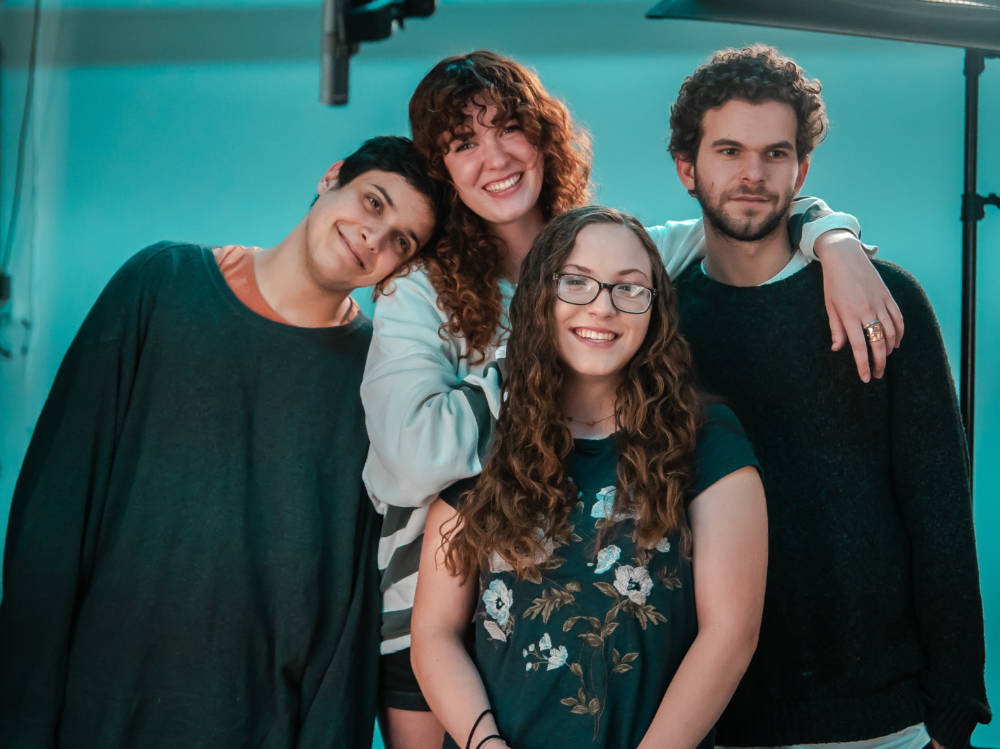
When comparing film school vs hands-on experience, the conversation typically centers around structure vs flexibility, theory vs practice, and debt vs income.
Film school offers a curated, supportive environment to learn the art and craft of storytelling. Hands-on experience offers an immediate, immersive plunge into the fast-paced world of production. Let’s examine both in more detail.
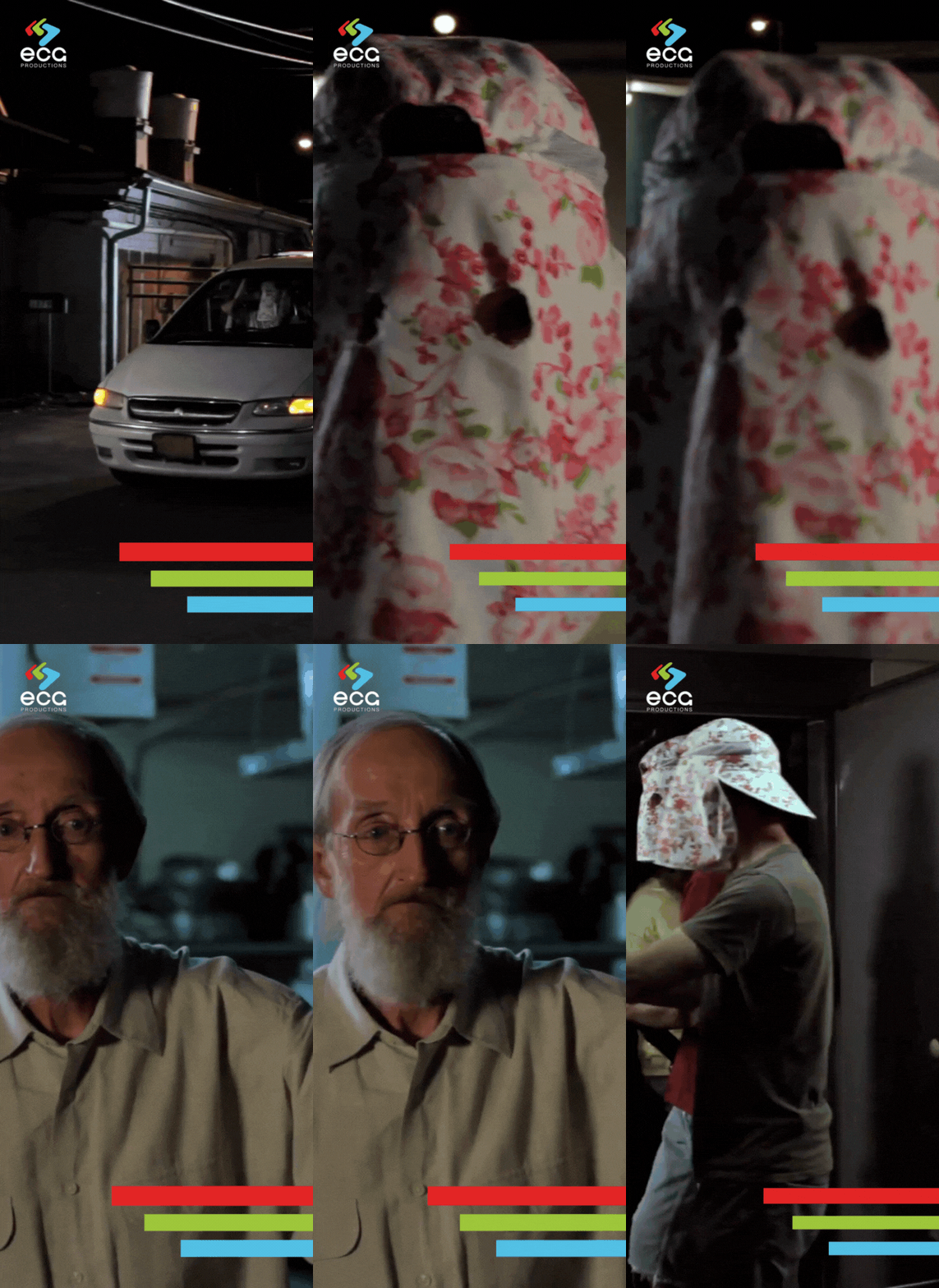
In the film school vs hands-on experience conversation, formal education has some undeniable advantages — especially for those who thrive in structured environments.
🎓 Benefits of Film School:
Structured curriculum covering directing, editing, screenwriting, cinematography, and more
Access to professional equipment and software
Direct mentorship from industry professionals and faculty
Creative freedom to experiment with different roles and styles
A built-in network of peers and future collaborators
Film school also offers time to develop your voice as a filmmaker — away from the pressures of client expectations or commercial deliverables.
🎓 Downsides to Film School:
High tuition and potential student debt
Less exposure to the daily pressures of real-world production
No job guarantee after graduation
In short, in the battle of film school vs hands-on experience, film school is ideal for those who want a foundational education in storytelling and a creative incubator to build their first reel.
For many professionals in the industry today, hands-on learning was the key to success. When weighing film school vs hands-on experience, some gravitate toward on-set learning, internships, or freelance gigs to build real skills from day one.
📽 Benefits of Hands-On Experience:
Immediate exposure to the realities of film production
Learn-by-doing across departments and job types
Faster path to paid work and real-world credits
Stronger development of problem-solving and set etiquette
Ideal for specialists (e.g., colorists, editors, DITs) who want to focus early
📽 Downsides of Hands-On Experience:
No structured path or curriculum
Limited access to advanced gear (unless hired on larger sets)
Harder to find mentors without school connections
May miss creative exploration in favor of technical proficiency
When looking at film school vs hands-on experience, this route is often favored by self-starters with strong networking skills and a high tolerance for uncertainty.
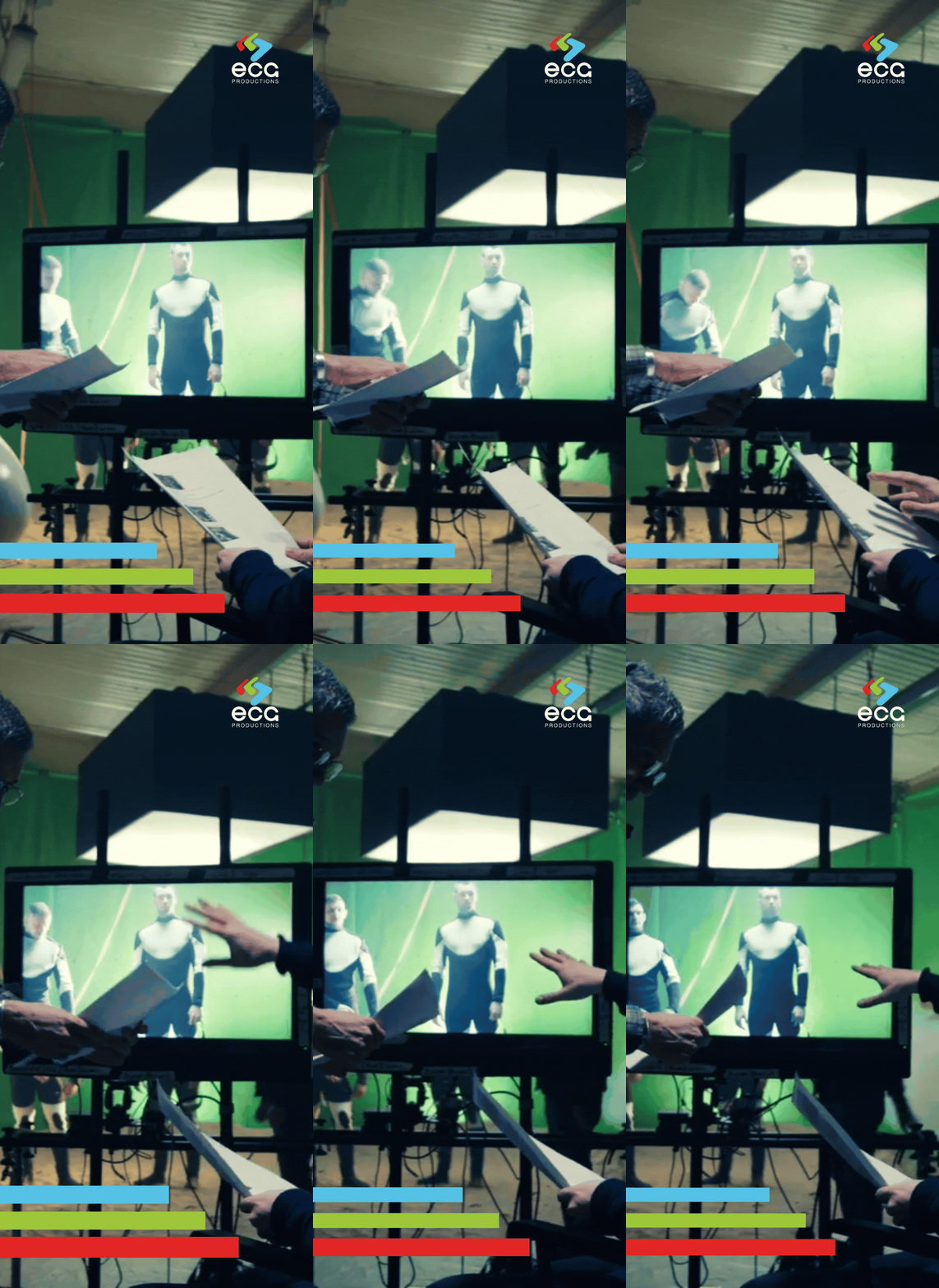
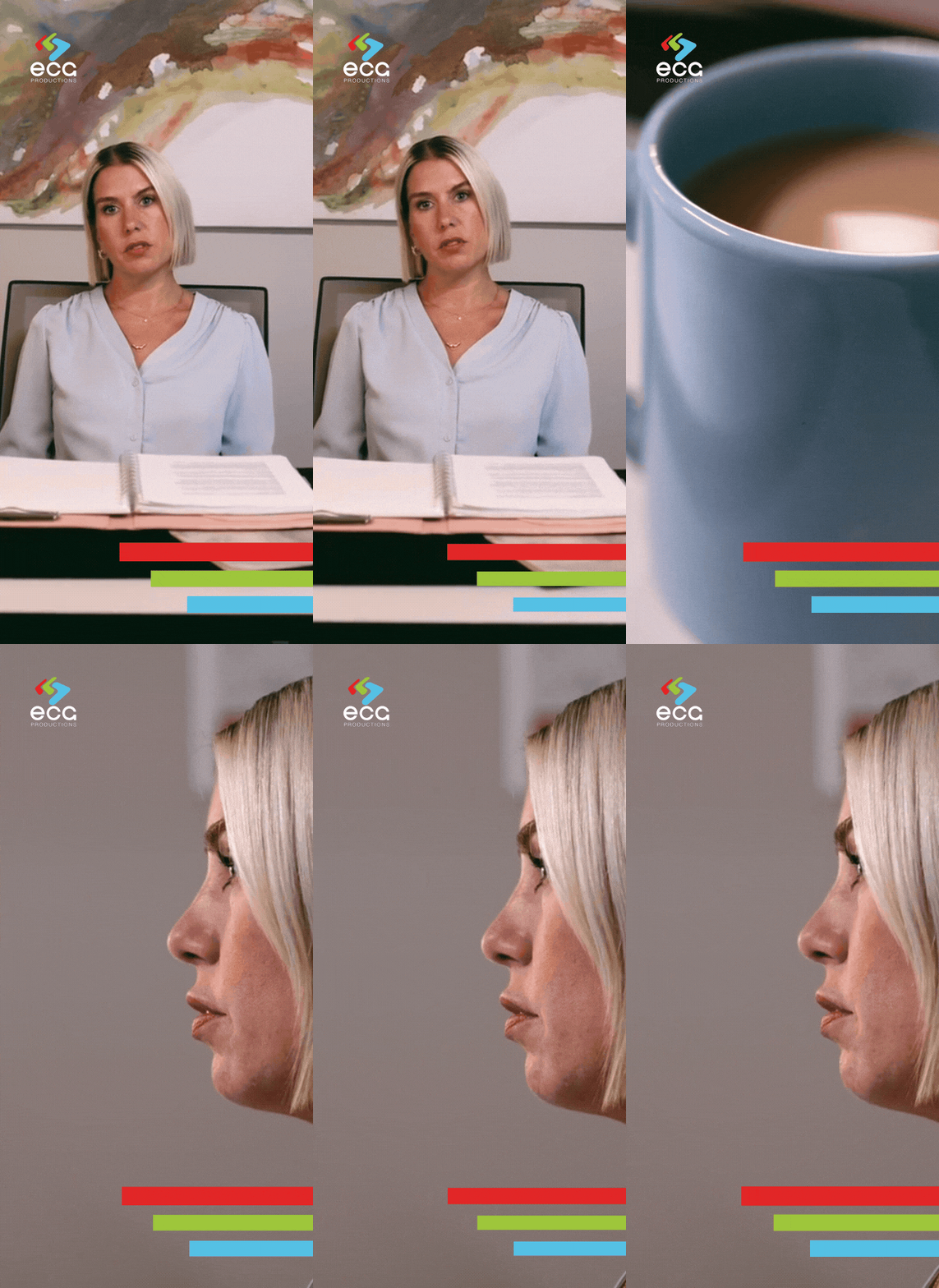
There’s no one-size-fits-all answer to the film school vs hands-on experience question — but you can make a more informed choice by looking at your:
Learning style: Do you prefer structured instruction or trial and error?
Career goals: Are you aiming for directing, producing, post, or on-set work?
Financial situation: Can you afford tuition, or do you need to earn while you learn?
Risk tolerance: Are you ready to navigate the freelance world, or do you want a slower ramp?
Some of the most successful filmmakers blend both: formal training followed by years of real-world grind. Others skip school entirely and build their reputations project by project.
At ECG Productions, we’ve hired incredible talent from both paths — some fresh out of top-tier film schools, others who came up through production assistant gigs and YouTube channels.
What matters to us isn’t how you got here — it’s what you can do. Whether your background is film school or hands-on experience, we look for:
A strong reel or portfolio
Collaboration and communication skills
Curiosity and coachability
A passion for learning and improving your craft
The film school vs hands-on experience decision matters less than what you do with the path you choose.

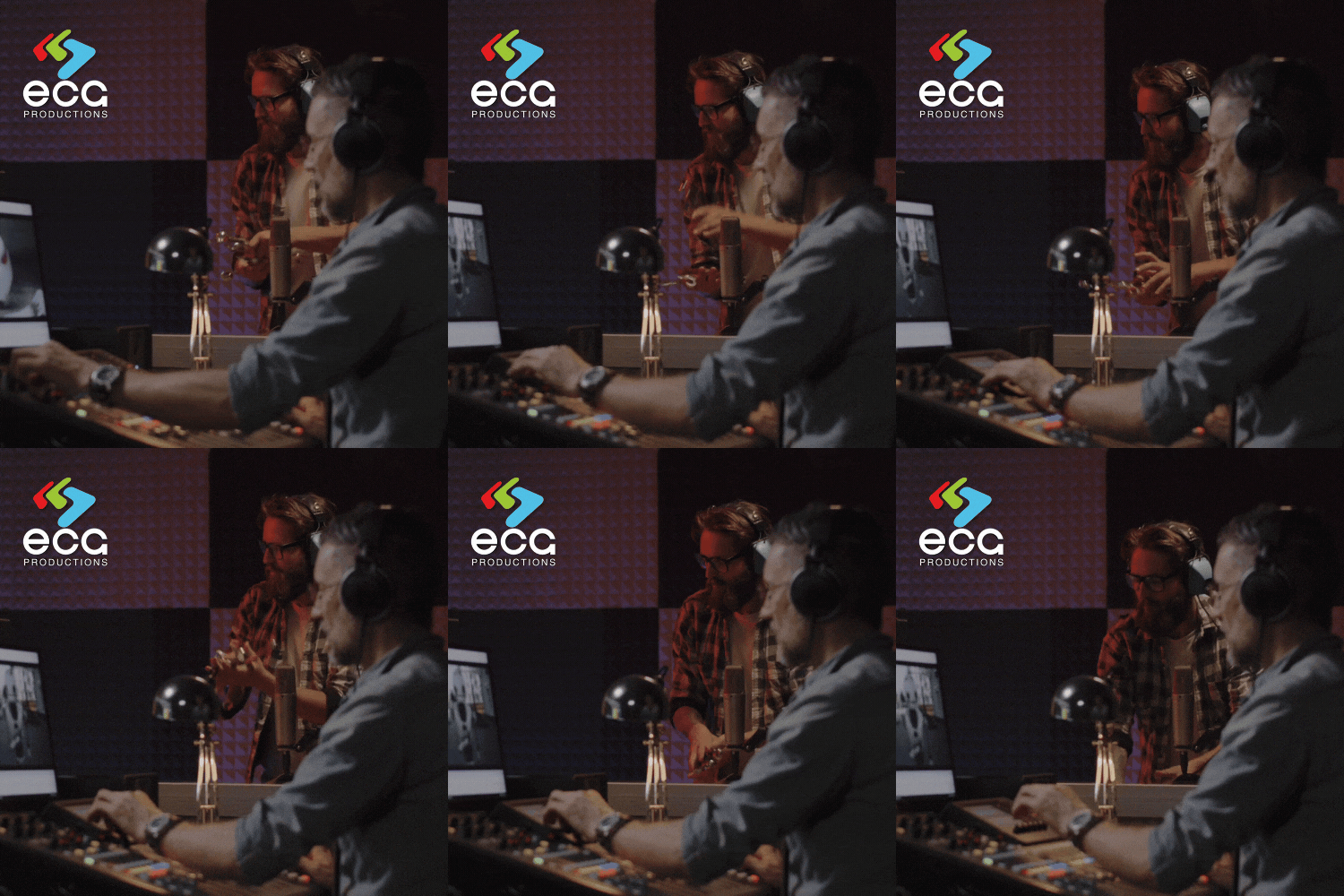
In the end, the film school vs hands-on experience debate is really about self-awareness. Know how you learn, what kind of support you need, and how fast you want to grow.
Film school is an investment in creative development. Hands-on experience is a crash course in production reality. Both have value — and both can lead to a successful career in film and video.
Whether you studied frame theory or lit your first shot on set, what matters most is that you’re making work that tells great stories.
CONTACT US
LET'S GET IN TOUCH
1-855 787-4487
Mon – Fri 9:00 AM – 6:00 PM EST
120 Interstate N Pkwy E SE #226
Atlanta, GA 30339
info@ecgprod.com