ECG Productions
ECG Blog

Planning

Why Video Game Movies Struggle and How to Plan Better Adaptations

Explore why video game movies often miss the mark and discover practical production strategies to create adaptations that satisfy fans and engage new audiences.

Updated Jun 28, 20263 min readPlanning
Why No One Can Write a Good Video Game Movie article image for pre-production, scripting, and production planning.

Planning

Production context from the work that happens before, during, and after the shoot.

Production Context

See the planning choices behind a stronger shoot.

A stronger shoot starts with the real production variables: what has to be captured, what can go wrong, what the edit will need, and how the crew keeps the day moving toward the finished piece.

The real value is in what the shoot protects.

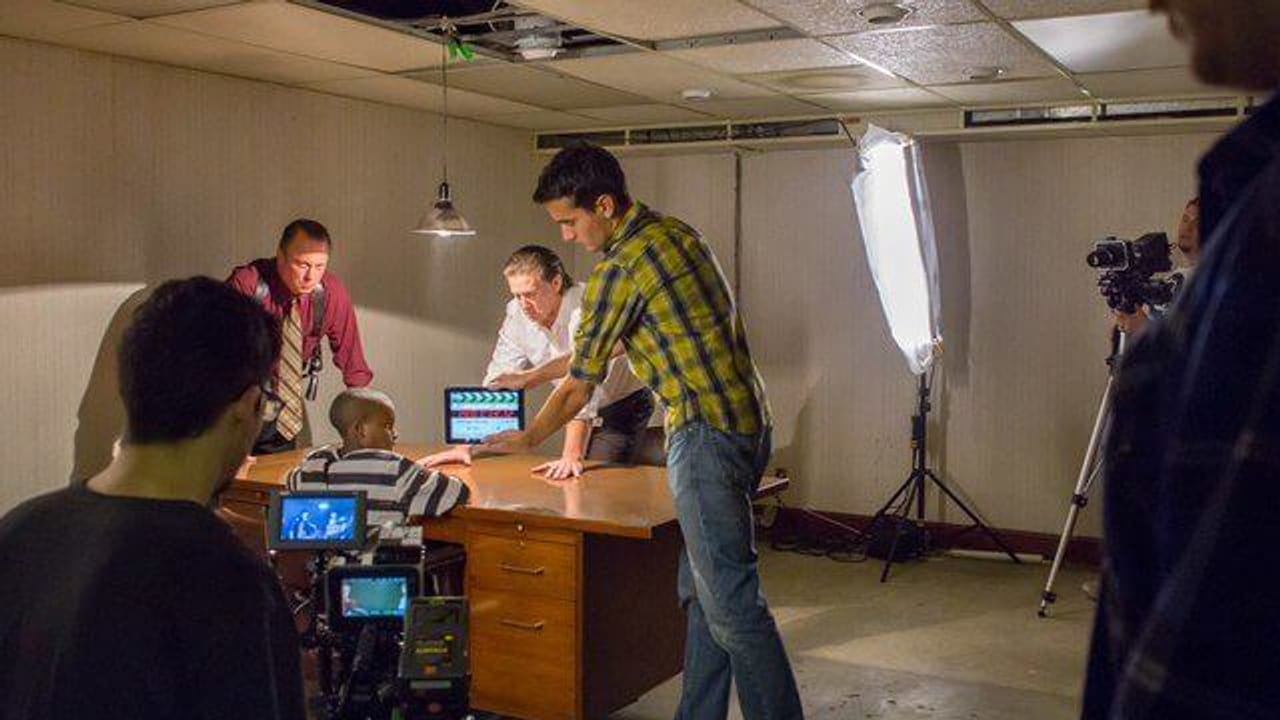
Behind-the-scenes and production articles are useful because they reveal planning, crew decisions, location realities, sound, lighting, schedule pressure, and the practical choices that make the final piece possible.

Better production questions start here.

If you are planning a similar shoot, ask what has to be captured, what can go wrong, what the edit needs, who has approval, and what the crew must know before the day starts.

Look for the handoff into post.

Strong production is not finished when the shoot wraps. The footage, notes, sound, continuity, and media workflow need to give post-production enough room to shape the final piece.

Article

Explore why video game movies often miss the mark and discover practical production strategies to create adaptations that satisfy fans and engage new audiences.

This article helps producers and marketers decide how to approach video game movie adaptations with realistic expectations and smart production planning.

The Challenge: Why Video Game Movies Often Miss the Mark

Adapting video games into movies seems straightforward: they have built-in fan bases, vivid characters, and dramatic storylines. Yet, most attempts fall short because video games and films tell stories very differently. Video games rely on player agency, immersion, and interactivity, creating personal experiences that films can’t replicate. Early adaptations struggled with thin plots and shallow characters, resulting in movies that neither satisfied fans nor attracted new viewers. Understanding this fundamental storytelling gap is the first step to planning a better adaptation.

Learning from Early Attempts: What Didn’t Work

Take the 1993 Super Mario Bros. film as a cautionary tale. It tried to expand a simple game narrative with original characters and a new story, but ended up alienating both fans and general audiences. The problem was a disconnect between the game’s playful tone and the movie’s darker, muddled approach. This highlights a key production lesson: adaptations must respect the source material’s tone and core appeal while translating it into cinematic language. Ignoring this leads to confused storytelling and lost audience trust.

Modern Video Games Offer Richer Stories — But Adaptation Remains Tricky

Today’s games feature complex narratives, lifelike characters, and immersive worlds. Titles like World of Warcraft have deep lore and passionate fan communities. However, translating these into film requires balancing fan service with accessibility. The 2016 Warcraft movie nailed the world-building and fan references but faltered in pacing and character development. This shows that production teams must invest heavily in script development, casting, and pacing to create films that stand on their own while honoring the game’s universe.

Practical Production Strategies for Video Game Adaptations

Successful adaptations start in pre-production with clear decisions about story scope, target audience, and tone. Engage game creators early to ensure authenticity and tap into fan insights. Plan for high-quality visual effects and sound design to capture the game’s spectacle without overshadowing character and story. During production, prioritize performances that bring game characters to life with emotional depth. In post-production, focus on tight editing and sound mixing to maintain pacing and immersion. Finally, secure rights and approvals carefully to avoid legal pitfalls and distribution delays.

Setting Realistic Expectations and Embracing the Medium’s Strengths

Video game movies should be appreciated as their own form of storytelling, not direct replicas of gameplay experiences. Fans will cherish nods to the source material, but broad audiences need compelling characters and clear narratives. Embrace the cinematic medium’s strengths—visual storytelling, music, and performance—while respecting the game’s spirit. By aligning production strategy with these realities, brands and agencies can make smarter decisions that increase the chances of a video game adaptation resonating both with fans and new viewers.

FAQ

Why do video game movies often fail to connect with audiences?

Video game movies struggle because games offer interactive, immersive experiences that don’t translate directly to film’s passive storytelling. Without careful adaptation, movies can feel disconnected from what made the games engaging.

How can production teams better honor the source material in video game adaptations?

Involving game creators early, respecting the game’s tone and lore, and balancing fan service with accessible storytelling helps create authentic adaptations that appeal to both fans and newcomers.

What production phases are most critical for successful video game movie adaptations?

Pre-production planning, including script development and creative alignment, is crucial. High-quality production values, strong performances, and focused post-production editing also play key roles in delivering a compelling adaptation.

What should a team understand about Why No One Can Write a Good Video Game Movie?

The useful takeaway is how audience, creative direction, production choices, post-production, approvals, and delivery needs shape the final video plan.

Where should this kind of project start?

Start with the goal, audience, deadline, where the finished piece needs to live, and the practical constraints that will affect creative and production decisions.

How can ECG help with the next step?

ECG can help connect the creative idea to production planning, filming, post-production, versioning, and delivery so the finished work fits the channel and the audience.


Related ECG Portfolio Video

See the article idea in finished ECG work.

Use ECG Productions | 2014 Show Reel as an ECG-produced reference for Why Video Game Movies Struggle and How to Plan Better Adaptations. Compare the audience, tone, distribution plan, and production choices before turning the article into a creative brief.

VimeoReelRelated Commercials workRelated Branded Content work
Open the project

Vertical Vimeo

ECG Productions | 2014 Show Reel

A legacy ECG show reel preserved as proof of range, style, pacing, and production history across multiple kinds of work. Use it as an archive reference for the company's visual taste and category breadth, then compare newer portfolio examples for the most current finish, media, and production approach.

Visual Context

Connect the article to the kind of work people can actually picture.

Articles perform better when readers can see what the thinking points toward. This visual break connects the topic to ECG production, post-production, real examples, and the next practical decision instead of leaving the page as a long read with no visual rhythm.

See related work

Article FAQ

Practical answers for the production decision.

These answers add practical context for the decisions that usually sit behind planning work: scope, timing, creative direction, production approach, and what the finished piece needs to accomplish.

Why do video game movies often fail to connect with audiences?

Video game movies struggle because games offer interactive, immersive experiences that don’t translate directly to film’s passive storytelling. Without careful adaptation, movies can feel disconnected from what made the games engaging.

How can production teams better honor the source material in video game adaptations?

Involving game creators early, respecting the game’s tone and lore, and balancing fan service with accessible storytelling helps create authentic adaptations that appeal to both fans and newcomers.

What production phases are most critical for successful video game movie adaptations?

Pre-production planning, including script development and creative alignment, is crucial. High-quality production values, strong performances, and focused post-production editing also play key roles in delivering a compelling adaptation.

What should a team understand about Why No One Can Write a Good Video Game Movie?

The useful takeaway is how audience, creative direction, production choices, post-production, approvals, and delivery needs shape the final video plan.

Where should this kind of project start?

Start with the goal, audience, deadline, where the finished piece needs to live, and the practical constraints that will affect creative and production decisions.

How can ECG help with the next step?

ECG can help connect the creative idea to production planning, filming, post-production, versioning, and delivery so the finished work fits the channel and the audience.

Next Step

Connect the article to ECG services and work.

When an article sounds like your project, compare the relevant service path and nearby work before you make a production decision.

Read Next

Keep learning before you decide what to make.

Back to the blog

Keep Exploring

More ECG pages related to Why Video Game Movies Struggle and How to Plan Better Adaptations.

Related services, examples, and deeper reads add context around the creative choices, production decisions, and tradeoffs behind this topic.

Next step

Ready to talk through the project?

When this starts to sound like your situation, bring ECG the goal and the constraints.

Share This Article

Send this read to the team before the next production call.

Share the article, project, or service page with a teammate, client, producer, or stakeholder who needs the context before the next decision.