Explore the production insights behind American Girl's immersive 360 Mars Experience, with guidance on planning, shooting, and delivering engaging educational video content.
Help readers decide how to plan and produce immersive 360 video experiences that engage and educate their target audience effectively.
Turning an Educational Vision into Immersive 360 Video
American Girl’s In Space 360 Mars Experience is a prime example of how immersive video can bring educational content to life. The project aimed to inspire kids by combining STEM education with an engaging, interactive format. The production team used a Nokia OZO 360 camera to capture authentic moments at space camp, including mission control, flight simulators, and a Mars surface walkthrough. This approach shows how aligning your production tools and locations with your story goals creates a richer audience experience.
Pre-Production: Defining Audience, Deliverables, and Approvals
Before rolling cameras, the American Girl team clarified who the viewers were (young learners and their parents), what the video needed to prove (space is exciting and accessible), and where it would be distributed (online platforms and educational events). Establishing a clear review and approval process upfront ensured the final piece met brand standards and educational goals. This step is crucial for any immersive or branded content to avoid costly revisions later.
Production: Capturing Authenticity with 360 Technology
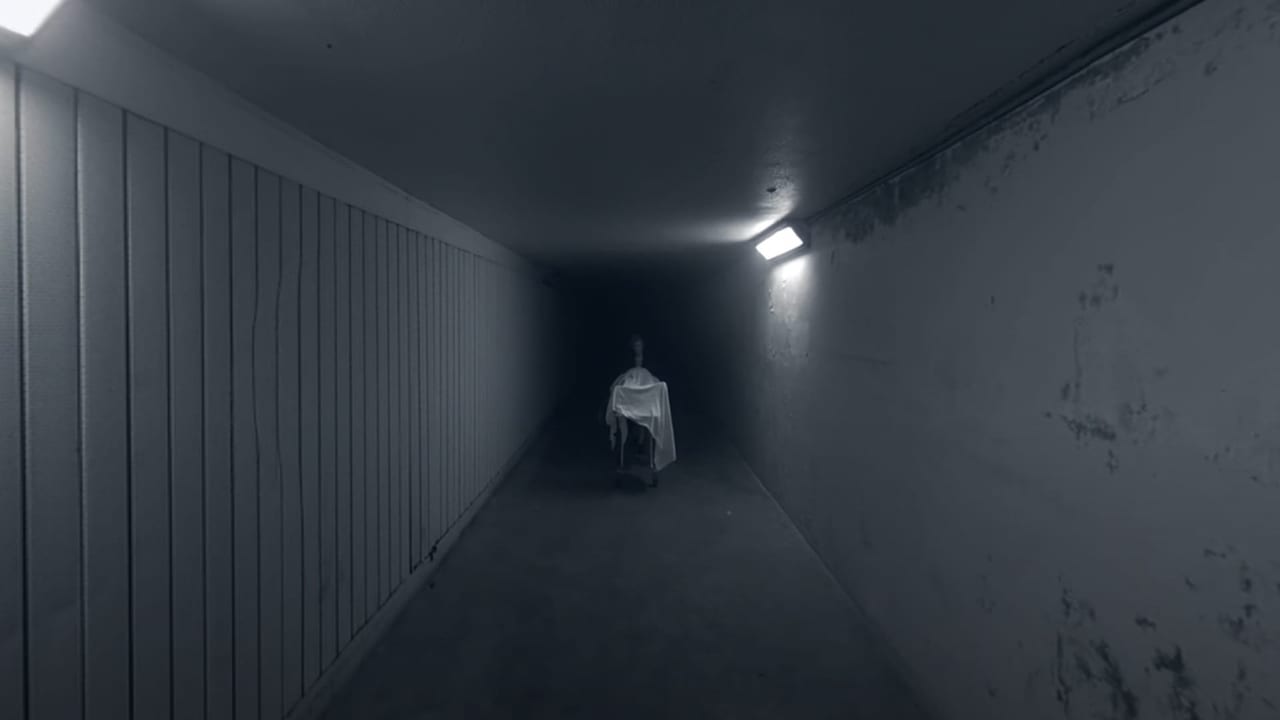
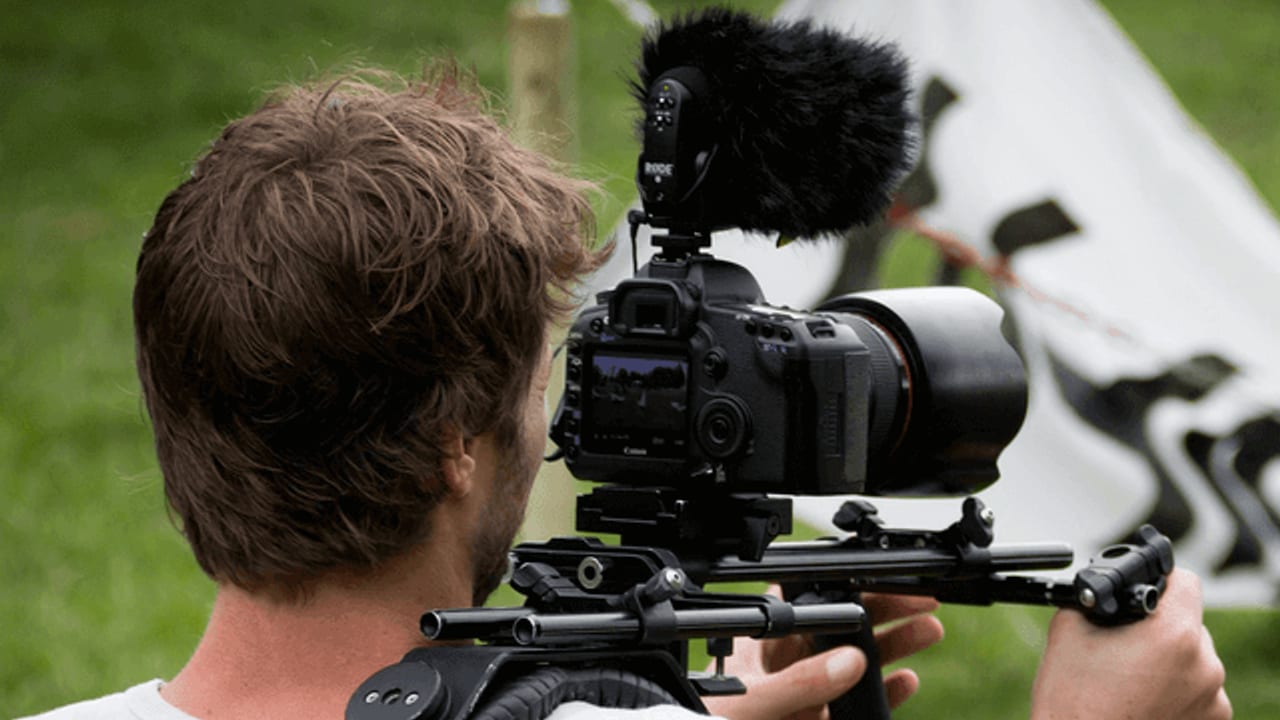
Shooting with the Nokia OZO 360 camera over two days at Huntsville’s space camp allowed the crew to capture genuine interactions and environments. The 360 format demands careful staging and lighting because viewers can look anywhere, so the production team balanced natural activity with subtle direction. This blend of authenticity and control is key to keeping immersive content engaging without feeling scripted or artificial.
Post-Production: Enhancing Engagement with Graphics and Voiceover
Post-production layered in a lively voiceover and stylized graphic callouts to guide viewers through the Mars surface experience. These elements help focus attention and explain complex concepts without overwhelming the immersive environment. Color grading and audio mixing were calibrated to maintain clarity and warmth, reinforcing the educational tone while keeping the excitement alive.
Planning Your Own Immersive Educational Video
Use the American Girl In Space project as a blueprint: start with a clear educational mission, choose immersive technology that fits your story, and plan your production schedule to capture authentic moments. Define your audience and distribution channels early, and build in time for layered post-production that enhances rather than distracts. Partnering with a production team experienced in 360 video and educational content can help you navigate technical challenges and deliver a polished final product.
FAQ
What are the key production challenges when shooting 360 video for educational content?
360 video requires careful staging and lighting since viewers can look in any direction. Capturing authentic interactions without disrupting the natural environment is essential, and post-production must balance guiding the viewer with preserving immersion.
How do you ensure immersive videos meet brand and educational goals?
Clear pre-production planning around audience, messaging, deliverables, and approval workflows helps align the project with brand and educational objectives, minimizing revisions and ensuring the final video resonates.
What post-production techniques enhance 360 educational videos?
Adding voiceover narration and graphic callouts can focus viewer attention and clarify complex ideas. Color grading and audio mixing tailored to immersive formats maintain engagement and accessibility.
What should a team understand about American Girl | American Girl In Space - 360 Mars Experience?
The useful takeaway is how audience, creative direction, production choices, post-production, approvals, and delivery needs shape the final video plan.
Where should this kind of project start?
Start with the goal, audience, deadline, where the finished piece needs to live, and the practical constraints that will affect creative and production decisions.
How can ECG help with the next step?
ECG can help connect the creative idea to production planning, filming, post-production, versioning, and delivery so the finished work fits the channel and the audience.