Explore the practical production insights from Concrete Combat Episode 102, comparing traditional and innovative concrete resurfacing methods to help you choose the right
This article helps readers decide between traditional and modern concrete resurfacing techniques by examining their production trade-offs and outcomes.
Choosing Between Old School and New School Concrete Resurfacing
When resurfacing damaged concrete slabs, the choice of technique shapes not only the final look but also the production timeline, cost, and material handling. Episode 102 of Concrete Combat highlights this decision point by pitting an age-old method against an innovative, quick-setting approach. Understanding these options helps you plan your project’s strategy, from pre-production materials prep to final delivery.
The Traditional Approach: Time-Tested Precision Under Pressure
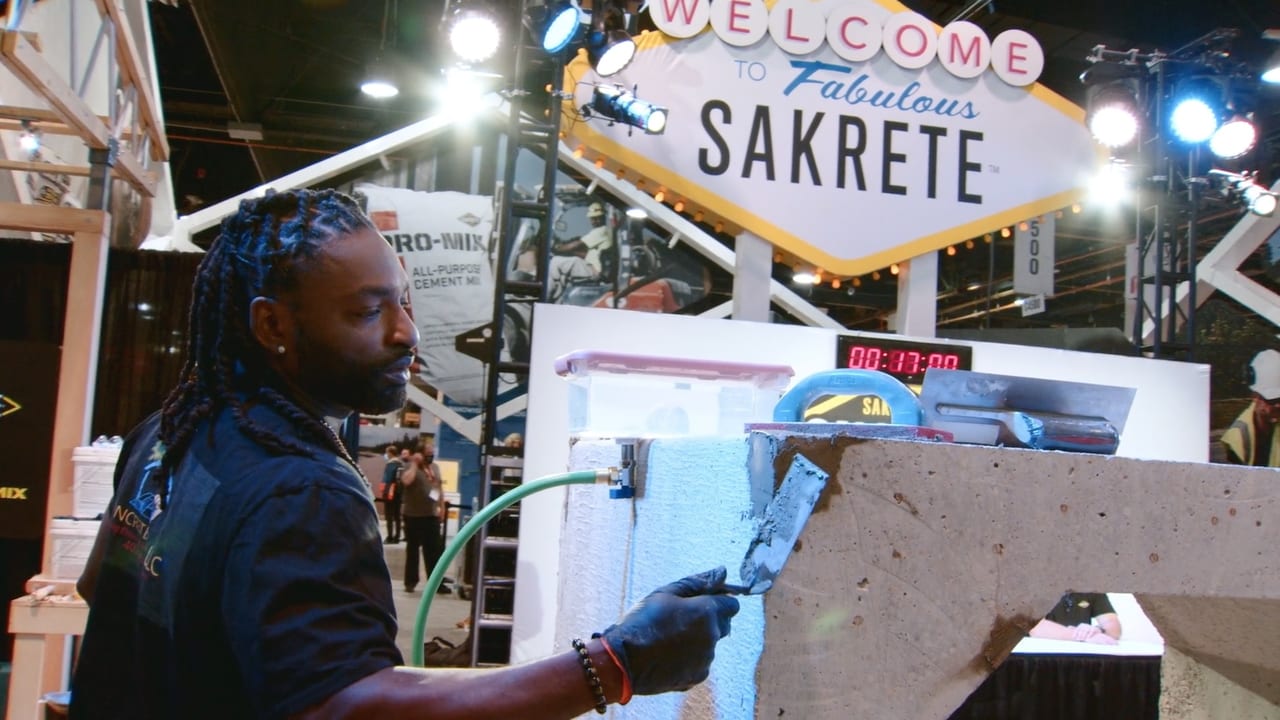
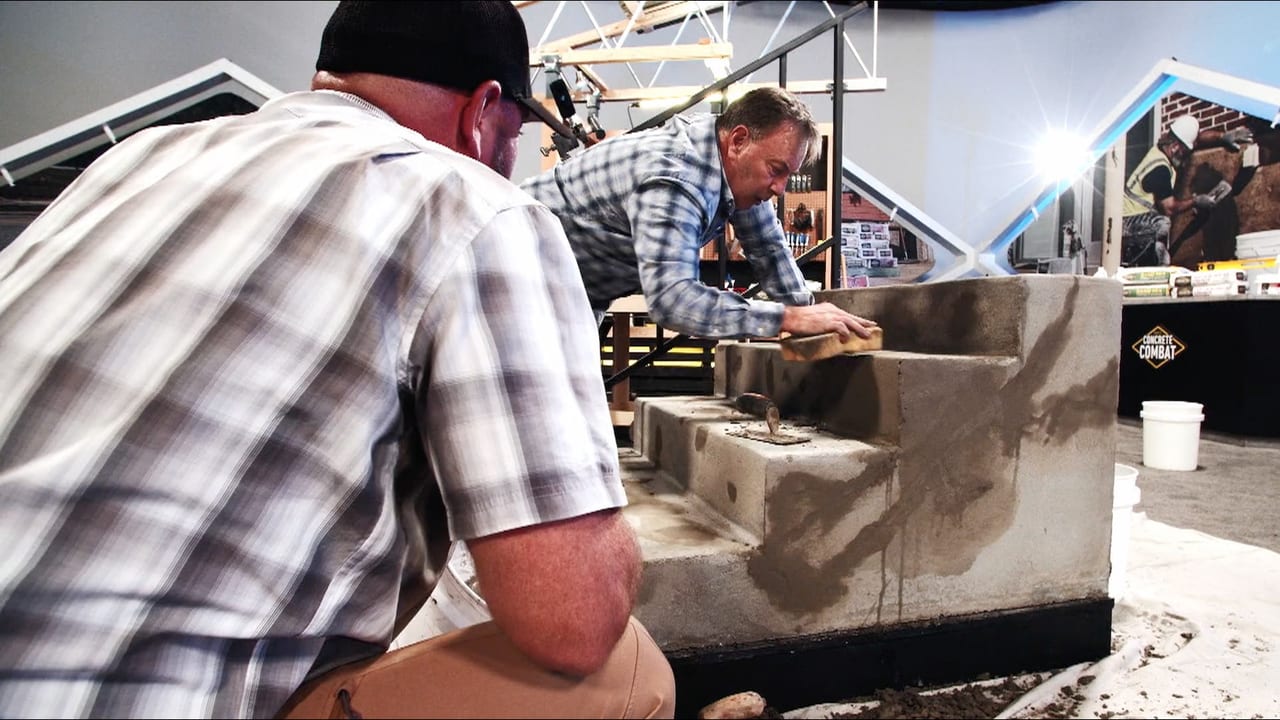
The old school method relies on tried-and-true mixing ratios and manual application techniques. It demands patience and close attention to detail during mixing and spreading, often putting teams up against the clock. This approach can deliver a durable, consistent finish but requires longer curing times and more hands-on monitoring during production. Planning for extra time in your shoot schedule and approvals process is essential when using this method.
Innovative Quick-Setting Methods: Speed Meets Modern Materials
New school resurfacing techniques leverage advanced Sakrete formulas designed for faster setting and curing. This method prioritizes efficiency and timeliness, sometimes at a higher material cost. For production teams, this means less downtime waiting for concrete to dry, enabling quicker turnaround in post-production and delivery. However, it requires precise mixing and application to avoid compromising finish quality.
Balancing Efficiency and Quality in Production Planning
Concrete Combat’s episode shows that production decisions extend beyond the final visual. Efficiency, crew coordination, and material management all influence the outcome. When planning your shoot, consider how each method affects your schedule, resource allocation, and approval cycles. For example, faster-setting materials can reduce shoot days but might limit opportunities for retakes or touch-ups.
How ECG Supports Your Concrete Resurfacing Video Production
ECG Productions specializes in crafting training and promotional content that clearly communicates technical processes like concrete resurfacing. From scripting and pre-production planning to multi-camera shoots and post-production polish, we ensure your video aligns with your brand and instructional goals. Explore our <a href="/services/video-production/">video production services</a> and <a href="/portfolio/">portfolio</a> for examples, or <a href="/contact/">contact us</a> to discuss your project’s unique needs.
FAQ
What factors should I consider when choosing a concrete resurfacing method for video production?
Consider the balance between curing time, material cost, finish quality, and how these affect your shoot schedule and post-production timeline. Traditional methods require longer drying times but offer reliable finishes, while quick-setting materials speed up production but need precise handling.
How can I ensure my concrete resurfacing training video is clear and effective?
Design your training content around your audience’s needs, clearly outline each step, and use multiple camera angles to capture critical details. Incorporate captions and modular content for accessibility and easier updates.
Can ECG help with producing technical training videos about concrete resurfacing?
Yes, ECG offers end-to-end video production services tailored to technical training, including scripting, filming, animation, and delivery. We focus on clarity, engagement, and meeting your approval and distribution requirements.
What should a team understand about Concrete Combat | Episode 102 | Old School v. New School?
The useful takeaway is how audience, creative direction, production choices, post-production, approvals, and delivery needs shape the final video plan.
Where should this kind of project start?
Start with the goal, audience, deadline, where the finished piece needs to live, and the practical constraints that will affect creative and production decisions.
How can ECG help with the next step?
ECG can help connect the creative idea to production planning, filming, post-production, versioning, and delivery so the finished work fits the channel and the audience.