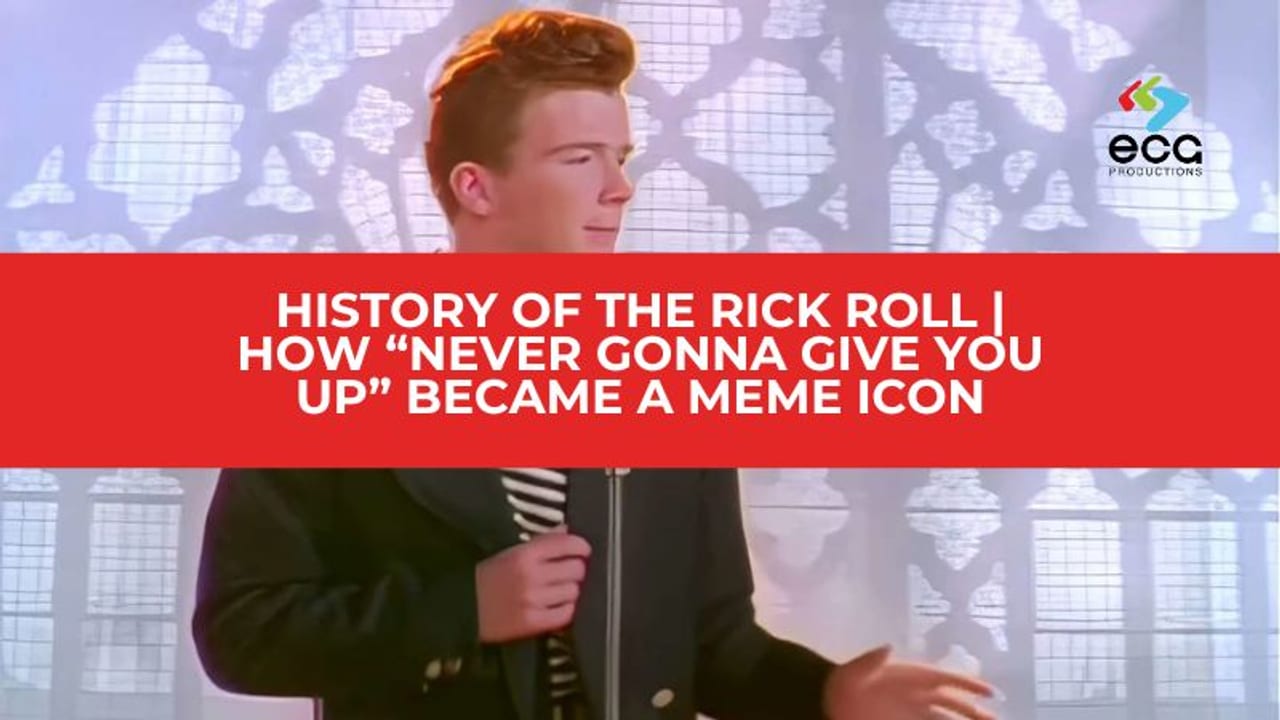
Discover how the Rick Roll evolved from an ’80s hit to an internet legend and what it means for planning viral video productions today.
Helps readers understand how the Rick Roll’s story informs creative decisions in video pre-production, production, and distribution for viral content.
Why Understanding the Rick Roll Matters for Video Production
If you’re planning a viral video or meme-inspired campaign, knowing the roots of the Rick Roll gives you a blueprint for success. This prank-turned-pop-culture-phenomenon shows how a simple, catchy concept combined with timing and platform savvy can create lasting impact. Before you write scripts or schedule shoots, consider how your content can surprise, engage, and spread organically—just like Rick Astley’s 1987 hit did decades later.
From 1987 Pop Hit to Internet Meme: The Evolution of Rickrolling
Never Gonna Give You Up started as a chart-topping single produced by Stock Aitken Waterman, complete with ’80s pastel aesthetics and a memorable dance. Fast forward to 2007, and the internet repurposed this video into a bait-and-switch joke on 4chan, replacing an earlier prank called the Duck Roll. This pivot from music video to viral meme highlights how content can be reimagined in post-production and distribution phases to create new cultural meaning.
Planning Viral Content: Lessons from the Rick Roll’s Success
The Rick Roll’s viral spread wasn’t accidental. It relied on believable setups, unexpected payoffs, and a catchy tune that audiences couldn’t resist. For producers, this means investing in pre-production strategy that balances authenticity with surprise. Align your creative team around a clear story arc that hooks viewers, plan your shoot to capture the right tone, and prepare for flexible post-production edits that enhance shareability.
Rick Astley’s Role: Embracing the Meme to Extend Reach
Rick Astley’s good-natured embrace of the meme—performing live Rick Rolls and creating new versions—shows the value of rights management and artist collaboration in production planning. When working with talent or IP, clear agreements on usage rights and potential viral spins can unlock unexpected promotional opportunities and extend a project’s lifecycle.
Using the Rick Roll as a Model for Modern Video Campaigns
Today’s platforms like TikTok, Twitch, and YouTube thrive on quick, shareable moments. The Rick Roll’s longevity teaches producers to design content that’s both nostalgic and fresh, simple yet layered. Whether you’re producing branded content or social-first videos, integrate strategic distribution planning early—think platform algorithms, community behaviors, and timing—to maximize reach and engagement.
FAQ
What is a Rick Roll and why is it effective?
A Rick Roll is an internet prank where a link promises relevant content but redirects to Rick Astley’s “Never Gonna Give You Up” video. It works because it combines a believable setup with an unexpected, catchy payoff that surprises viewers without harm.
How can I apply the Rick Roll’s viral success to my video production?
Focus on creating content with a clear hook and an element of surprise. Plan your pre-production to align story and tone, shoot with shareability in mind, and prepare post-production edits that enhance engagement. Also, consider platform-specific distribution strategies.
What should I consider about rights and talent when planning meme-based content?
Ensure you have clear usage rights and agreements with talent or IP owners, especially if the content references or repurposes existing works. Collaborating with rights holders, like Rick Astley did, can open doors for authentic promotion and avoid legal issues.
What should a team understand about The History of the Rick Roll - How “Never Gonna Give You Up” Became a Meme Icon?
The useful takeaway is how audience, creative direction, production choices, post-production, approvals, and delivery needs shape the final video plan.
Where should this kind of project start?
Start with the goal, audience, deadline, where the finished piece needs to live, and the practical constraints that will affect creative and production decisions.
How can ECG help with the next step?
ECG can help connect the creative idea to production planning, filming, post-production, versioning, and delivery so the finished work fits the channel and the audience.