ECG Productions
ECG Blog

Production

Open Captioning Explained: How to Plan and Produce Videos with Always-On Text

Learn how open captioning impacts your video production from pre-production through delivery. Discover practical tips for embedding permanent captions that boost accessibility

Updated Jun 28, 20263 min readProduction
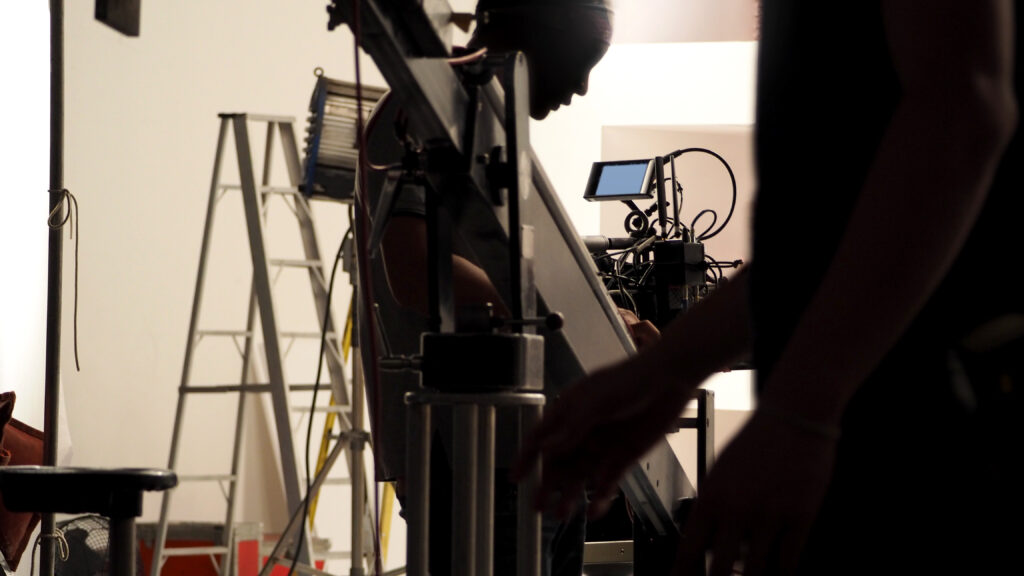
Open Captioning | What is it Exactly? article image showing ECG Productions crew, cameras, or on-set production work.

Production

Production context from the work that happens before, during, and after the shoot.

Production Context

See the planning choices behind a stronger shoot.

A stronger shoot starts with the real production variables: what has to be captured, what can go wrong, what the edit will need, and how the crew keeps the day moving toward the finished piece.

The real value is in what the shoot protects.

Behind-the-scenes and production articles are useful because they reveal planning, crew decisions, location realities, sound, lighting, schedule pressure, and the practical choices that make the final piece possible.

Better production questions start here.

If you are planning a similar shoot, ask what has to be captured, what can go wrong, what the edit needs, who has approval, and what the crew must know before the day starts.

Look for the handoff into post.

Strong production is not finished when the shoot wraps. The footage, notes, sound, continuity, and media workflow need to give post-production enough room to shape the final piece.

Article

Learn how open captioning impacts your video production from pre-production through delivery. Discover practical tips for embedding permanent captions that boost accessibility

Help video producers and marketers decide when and how to use open captioning to maximize accessibility and viewer engagement.

Why Open Captioning Matters in Today’s Video Landscape

In a world where viewers often watch videos without sound—whether commuting, in public spaces, or multitasking—open captioning ensures your message is never lost. Open captions are permanently embedded text on your video frames, always visible regardless of device or platform. Unlike closed captions, which viewers can toggle on or off, open captions guarantee accessibility and engagement across all viewing environments. For producers and marketers, planning for open captioning means committing early to how captions will appear visually and technically, ensuring your content reaches the widest audience possible.

Planning Open Captions: Production and Post-Production Considerations

Integrating open captions starts in pre-production. Script your captions alongside your dialogue to maintain timing and flow. During production, capture clear audio and consider on-set noise levels to ensure accurate transcription. In post-production, embedding captions requires high-resolution video to keep text crisp and readable. Work closely with your editor and colorist to position captions where they don’t obscure essential visuals but remain prominent. Also, plan for stylization—font choice, size, color, and background contrast—to align captions with your brand while enhancing legibility.

Open Captioning vs. Closed Captioning: Choosing the Right Approach

Open captions are always visible, making them ideal for platforms or contexts where viewers can’t or won’t enable captions, such as social media feeds or public displays. Closed captions offer flexibility, letting viewers toggle text on or off, which suits longer-form content or accessibility compliance needs. Some projects benefit from combining both—embedding open captions for social snippets while providing closed captions for full-length versions on platforms like YouTube. Understanding your audience’s viewing habits and distribution channels will guide your choice.

Maximizing Accessibility and Engagement with Open Captions

Open captions improve accessibility for deaf and hard-of-hearing viewers and those watching in noisy or sound-off environments. They also aid comprehension for non-native speakers. Studies show videos with captions see higher completion rates and viewer retention. To maximize impact, ensure captions are accurate, synchronized, and free of errors. Consider adding speaker IDs and sound descriptions where relevant. Remember, open captions become part of your video asset, so plan rights and approvals accordingly to avoid rework.

How ECG Productions Supports Your Open Captioning Needs

At ECG Productions, we integrate open captioning seamlessly into your video workflow—from script development through final delivery. Our team advises on caption styling, placement, and technical embedding to preserve video quality and brand integrity. We also help navigate accessibility standards and platform requirements, ensuring your content performs well across all channels. Explore our portfolio to see how we’ve enhanced client videos with open captions, and contact us to discuss your next project’s captioning strategy.

FAQ

What is the difference between open and closed captioning?

Open captions are permanently visible text embedded in the video, while closed captions can be turned on or off by the viewer. Open captions ensure everyone sees the text, regardless of device or platform.

Can open captions affect video quality?

Yes, since open captions are part of the video image, maintaining high resolution is essential to keep text sharp and readable, especially on larger screens.

Are open captions necessary for accessibility compliance?

Open captions improve accessibility but may not meet all legal requirements on their own. Closed captions are often required for compliance because they allow viewer control. Combining both can be a best practice.

What should a team understand about Open Captioning | What is it Exactly??

The useful takeaway is how audience, creative direction, production choices, post-production, approvals, and delivery needs shape the final video plan.

Where should this kind of project start?

Start with the goal, audience, deadline, where the finished piece needs to live, and the practical constraints that will affect creative and production decisions.

How can ECG help with the next step?

ECG can help connect the creative idea to production planning, filming, post-production, versioning, and delivery so the finished work fits the channel and the audience.


Related ECG Portfolio Video

See the article idea in finished ECG work.

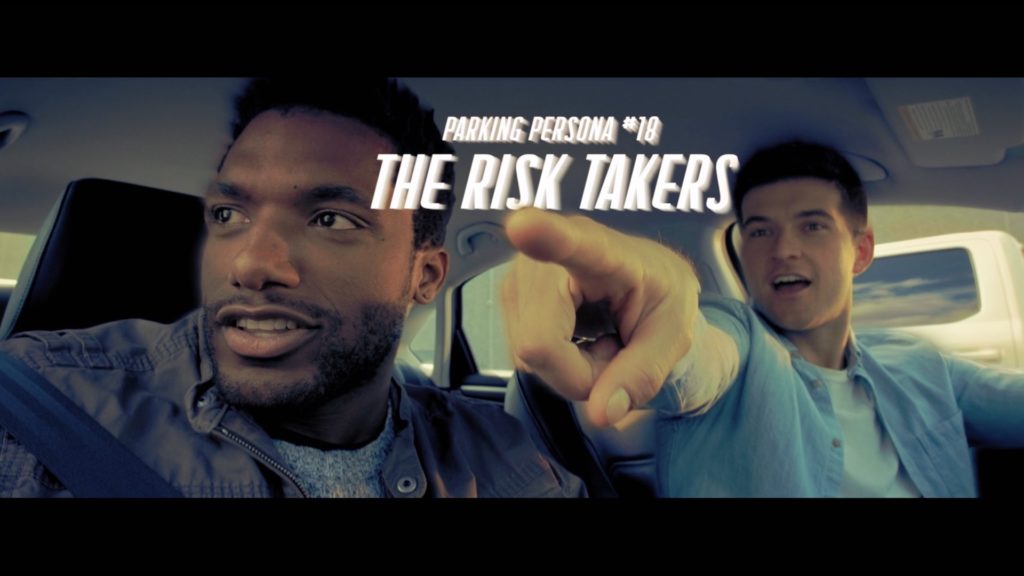
Use P&G for the HBCYou as an ECG-produced reference for Open Captioning Explained: How to Plan and Produce Videos with Always-On Text. Compare the audience, tone, distribution plan, and production choices before turning the article into a creative brief.

VimeoCommercialsRelated Commercials workRelated Branded Content work
Open the project

Vimeo

P&G for the HBCYou

A P&G and TheGrio back-to-school campaign celebrating Black families, HBCU pride, and the trusted products that move through everyday family life. ECG developed and produced a 30-second hero spot plus 14 brand-specific commercials for broadcast, social, and live-event screens.

Visual Context

Connect the article to the kind of work people can actually picture.

Articles perform better when readers can see what the thinking points toward. This visual break connects the topic to ECG production, post-production, real examples, and the next practical decision instead of leaving the page as a long read with no visual rhythm.

See related work

Article FAQ

Practical answers for the production decision.

These answers add practical context for the decisions that usually sit behind production work: scope, timing, creative direction, production approach, and what the finished piece needs to accomplish.

What is the difference between open and closed captioning?

Open captions are permanently visible text embedded in the video, while closed captions can be turned on or off by the viewer. Open captions ensure everyone sees the text, regardless of device or platform.

Can open captions affect video quality?

Yes, since open captions are part of the video image, maintaining high resolution is essential to keep text sharp and readable, especially on larger screens.

Are open captions necessary for accessibility compliance?

Open captions improve accessibility but may not meet all legal requirements on their own. Closed captions are often required for compliance because they allow viewer control. Combining both can be a best practice.

What should a team understand about Open Captioning | What is it Exactly??

The useful takeaway is how audience, creative direction, production choices, post-production, approvals, and delivery needs shape the final video plan.

Where should this kind of project start?

Start with the goal, audience, deadline, where the finished piece needs to live, and the practical constraints that will affect creative and production decisions.

How can ECG help with the next step?

ECG can help connect the creative idea to production planning, filming, post-production, versioning, and delivery so the finished work fits the channel and the audience.

Next Step

Connect the article to ECG services and work.

When an article sounds like your project, compare the relevant service path and nearby work before you make a production decision.

Read Next

Keep learning before you decide what to make.

Back to the blog

Keep Exploring

More ECG pages related to Open Captioning Explained: How to Plan and Produce Videos with Always-On Text.

Related services, examples, and deeper reads add context around the creative choices, production decisions, and tradeoffs behind this topic.

Next step

Ready to talk through the project?

When this starts to sound like your situation, bring ECG the goal and the constraints.

Share This Article

Send this read to the team before the next production call.

Share the article, project, or service page with a teammate, client, producer, or stakeholder who needs the context before the next decision.