Discover the insider truths about video production from crew habits to on-set realities. Learn how these insights help you make smarter production decisions.
Help readers understand the unique realities of video production so they can plan and manage projects with realistic expectations.
Why Video Production Is a Different World
If you’ve ever worked on a video shoot, you know it’s nothing like a typical office job. The hours stretch unpredictably, the gear is a constant companion, and the pace is relentless. Understanding these realities upfront helps brands and agencies set practical expectations around scheduling, budgeting, and crew needs. Video production isn’t just about pointing a camera and hitting record—it’s a complex dance of strategy, technical skill, and creative problem-solving that demands flexibility and grit.
The Essential Gear You Carry—Beyond the Camera
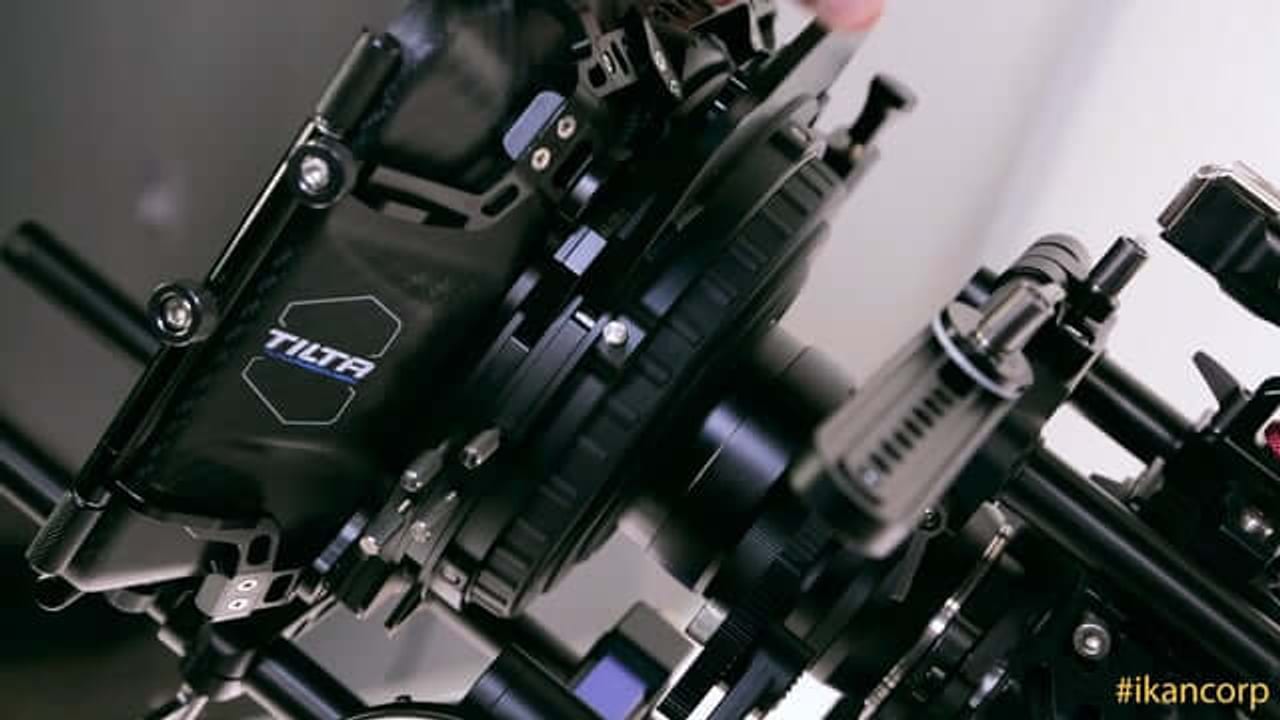
Production pros always have a pocket full of essentials: gaff tape, screws, adapters, and sometimes quirky props. These items aren’t just random; they’re solutions to on-the-fly challenges that can make or break a shoot. Gaff tape, for example, is the unsung hero of every set—used for everything from securing cables to fixing wardrobe malfunctions. Knowing what gear your crew relies on helps you appreciate the practical side of production and avoid costly delays.
The Realities of Production Hours and Workflows
Forget 9-to-5. Video shoots often start early, run late, and sometimes stretch overnight. This irregular schedule affects everyone from talent to grips, and it requires careful planning in pre-production. Factoring in realistic call times, breaks, and overtime is crucial to keep morale high and avoid burnout. Production calendars should build in buffer time for unexpected delays, weather changes, or technical issues.
Why Lighting and Color Temperature Matter More Than You Think
Every production professional understands that lighting isn’t just about visibility—it’s about mood, storytelling, and continuity. Color temperature affects how skin tones look and how scenes feel emotionally. Crew members often have strong preferences for lighting setups, and these choices influence everything from camera settings to post-production color grading. Brands should collaborate closely with their DP and gaffer to ensure the visual tone aligns with the creative vision.
The Intimacy and Space Dynamics on Set
On set, personal space shrinks. Sitting close to cameras, working shoulder-to-shoulder with crew, and navigating wardrobe or makeup changes in tight quarters is normal. Nudity or physical proximity during shoots is handled professionally but can be surprising to those new to production. Understanding this helps clients and talent prepare mentally and logistically, ensuring comfort and respect throughout the process.
FAQ
Why do video production crews carry so much gear like gaff tape and adapters?
These items are essential tools that solve common on-set problems quickly, from securing cables to fixing equipment or wardrobe, ensuring the shoot runs smoothly without costly interruptions.
How should I plan for the unpredictable hours of a video shoot?
Build flexibility into your schedule, allow for early starts and late finishes, and factor in breaks and overtime. Good pre-production planning with your producer can help manage expectations and keep the team energized.
What should I know about lighting preferences and color temperature in production?
Lighting choices affect the mood and look of your video. Color temperature impacts how colors and skin tones appear on camera. Collaborate with your director of photography to align lighting with your creative goals.
What should a team understand about 10 Things You’ll Only Understand If You’ve Worked in Video Production?
The useful takeaway is how audience, creative direction, production choices, post-production, approvals, and delivery needs shape the final video plan.
Where should this kind of project start?
Start with the goal, audience, deadline, where the finished piece needs to live, and the practical constraints that will affect creative and production decisions.
How can ECG help with the next step?
ECG can help connect the creative idea to production planning, filming, post-production, versioning, and delivery so the finished work fits the channel and the audience.