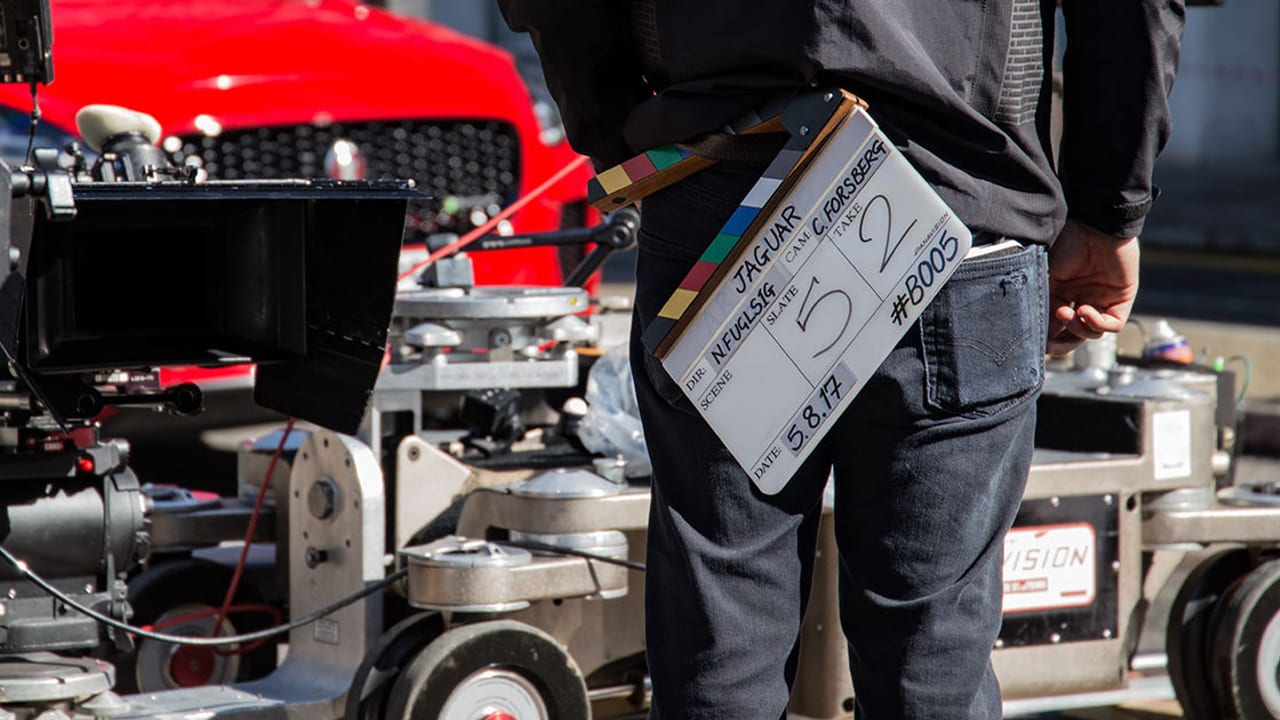
Discover practical steps for selecting and managing filming locations, including permits, logistics, crew needs, and budget considerations to ensure a smooth production.
Helps video producers and marketers decide how to select and manage filming locations effectively to control budget, logistics, and production risk.
Why Location Choice Shapes Your Production
Choosing the right filming location isn’t just about aesthetics—it’s a strategic production decision that impacts your entire shoot. Location affects your budget, schedule, crew logistics, equipment needs, and even post-production workflows. Before locking in a site, you need to understand how it fits your story, your technical requirements, and your client’s goals. For example, shooting in a historic building might offer stunning visuals but require extra permits, insurance, and restrictions on equipment. Outdoor locations can provide natural light but introduce weather risks and sound challenges. Knowing these upfront helps you avoid surprises that can derail your shoot or inflate costs.
Securing Permissions: Releases, Permits, and Legal Must-Haves
No matter how perfect a location looks, you must secure the right permissions before rolling cameras. This usually means obtaining a location release from the property owner or manager, which legally grants you filming rights. Depending on your activities—like drone use, stunts, or pyrotechnics—you may need additional permits from local authorities or special insurance coverage. Start this process early, as permits can take weeks to approve and may come with specific conditions. At ECG, we help clients navigate these legal steps to keep productions compliant and risk-free.
Planning for Crew, Equipment, and Space Needs
Understanding your crew size and equipment footprint is critical when evaluating a location’s suitability. A cramped space might not accommodate your full team, actors, or essential gear like cranes, jibs, or generators. Consider where craft services, wardrobe, and staging areas will be set up. Also, assess parking availability for vehicles and trucks—lack of parking can cause delays or fines. If your shoot involves complex setups, such as drone flights or animals, factor in specialized personnel and safety measures. Clear communication with the location manager about these needs ensures smooth on-set operations.
Weather, Noise, and Environmental Factors to Anticipate
Outdoor shoots bring unpredictable weather and ambient noise that can disrupt production. Plan for rain dates or have contingency indoor locations ready. Even indoor venues can have HVAC noise or lighting challenges that affect audio and camera work. Scout the location at the time of day you plan to shoot to identify noise sources like traffic, construction, or barking dogs. Your audio team will thank you for minimizing these distractions early. Additionally, consider power availability for lights and generators, and ensure your team has shelter and comfort during extreme temperatures.
Budgeting Location Costs and Managing Time Efficiently
Location fees can vary widely—from free public spaces to premium private venues with high rental costs. Beyond the base fee, account for permit costs, insurance, location-specific equipment rentals, and potential overtime charges if your shoot runs late. Efficient scheduling and clear communication with location contacts help avoid unexpected expenses. When travel or accommodations are involved, factor those into your budget as well. At ECG, we guide clients through realistic location budgeting to align creative ambitions with financial realities.
FAQ
What is the difference between a location release and a filming permit?
A location release is a legal agreement from the property owner granting permission to film on their premises. A filming permit is an official authorization from local authorities that allows you to shoot in public spaces or perform specific activities like drone flights or stunts.
How far in advance should I secure permits for my shoot location?
Permit approval times vary by location and activity but typically require several weeks. It’s best to start the process as early as possible to avoid delays and to accommodate any additional requirements or changes.
What should I consider when planning parking for my crew at a location?
Assess the number of vehicles your crew and equipment trucks will bring and confirm available parking options near the location. If parking is limited or off-site, plan for shuttle services and factor in extra time for transport to avoid schedule disruptions.
What should a team understand about Location, Location, Location - A 3 Part Series on Where To Film?
The useful takeaway is how audience, creative direction, production choices, post-production, approvals, and delivery needs shape the final video plan.
Where should this kind of project start?
Start with the goal, audience, deadline, where the finished piece needs to live, and the practical constraints that will affect creative and production decisions.
How can ECG help with the next step?
ECG can help connect the creative idea to production planning, filming, post-production, versioning, and delivery so the finished work fits the channel and the audience.