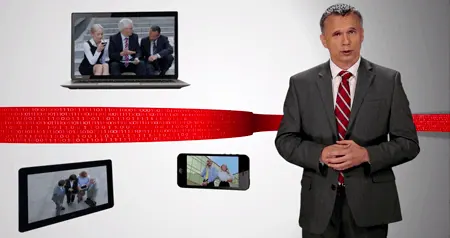
Explore how Foodmate’s 2019 recruitment video combines strategic audience focus, dynamic production, and polished post to create a compelling employer brand story that attracts
This article helps marketing and production teams decide how to align recruitment video strategy with clear audience goals, production planning, and post-production polish for maximum impact.
Why Audience Clarity Drives Recruitment Video Success
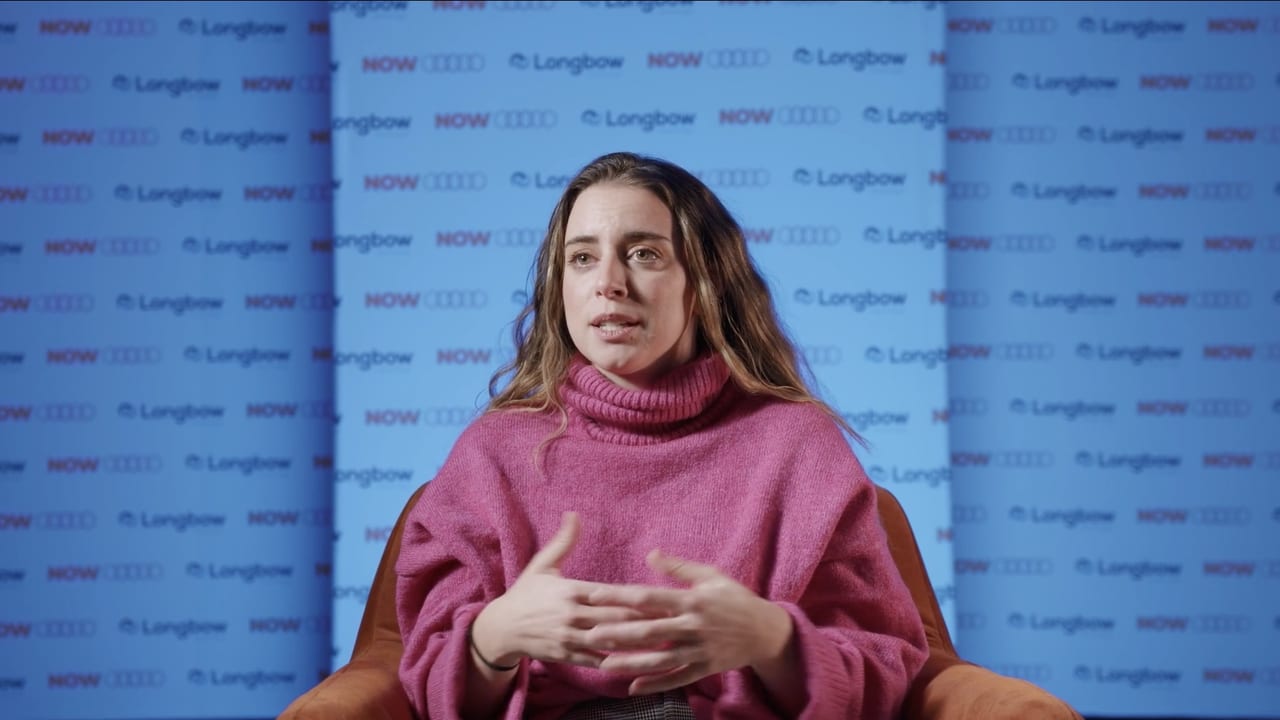
Before any camera rolls, the most important decision is understanding who the recruitment video needs to reach. Foodmate’s 2019 recruitment video targets prospective employees who value innovation and a welcoming workplace culture. Knowing this shaped every creative choice—from interview style to location and visual tone. When you define the audience upfront, you can tailor messaging and production value to resonate authentically, rather than guessing what might work.
Turning Strategy Into a Practical Production Plan
A strong recruitment video starts with a clear production brief that connects the creative idea to real-world constraints: deadlines, deliverables, approvals, and distribution platforms. For Foodmate, the brief included showcasing cutting-edge laser deboning technology alongside the company’s friendly atmosphere. This informed the decision to shoot on location with dynamic interview setups and sleek visuals that highlight both the technology and the people. Defining these parameters early helps avoid costly pivots during production and post.
Capturing Space and Personality Through Cinematography
Foodmate’s video leveraged premium gear—URSA Mini camera paired with Angenieux lenses—to achieve shots with compelling depth and clarity. This wasn’t just about aesthetics; it made the workspace feel open and inviting, reinforcing the brand’s approachable culture. Thoughtful grip and lighting setups enhanced interview scenes, balancing professionalism with warmth. Production choices like these ensure the final video looks polished and feels genuine, essential for recruitment storytelling.
Post-Production: Balancing Professionalism and Humanity
Editing is where the recruitment video’s tone is finalized. Collin Ingram’s edit for Foodmate maintained a clean, modern look with simple graphics and a restrained color grade. This approach kept the focus on the people and technology, without distracting effects. Sound design was subtle but effective, supporting the narrative flow. Post-production decisions like pacing and graphic style should always serve the story and brand personality, making the video both engaging and credible.
Making Your Recruitment Video Work Harder
Beyond production, consider where and how the video will be distributed to maximize reach and impact. Foodmate’s video was designed for multiple platforms, from career pages to social media, each with specific format and length needs. Planning delivery and approval workflows early ensures smooth launches and consistent messaging. Clear goals and defined success criteria—such as increased applications or brand awareness—help measure ROI and guide future video projects.
FAQ
How do I define the right audience for a recruitment video?
Start by identifying the specific talent profile you want to attract and understanding their motivations and concerns. This clarity guides messaging, tone, and production style to create a video that speaks directly to them.
What production elements make a recruitment video feel authentic?
Authenticity comes from shooting on location, using natural lighting where possible, capturing candid interviews, and highlighting real employees and workplace culture—not staged or overly scripted scenes.
How can post-production enhance the effectiveness of a recruitment video?
Post-production shapes pacing, tone, and polish. Clean editing, subtle graphics, consistent color grading, and clear audio reinforce professionalism while keeping the focus on the story and brand personality.
What should a team understand about Foodmate | 2019 Recruitment Video?
The useful takeaway is how audience, creative direction, production choices, post-production, approvals, and delivery needs shape the final video plan.
Where should this kind of project start?
Start with the goal, audience, deadline, where the finished piece needs to live, and the practical constraints that will affect creative and production decisions.
How can ECG help with the next step?
ECG can help connect the creative idea to production planning, filming, post-production, versioning, and delivery so the finished work fits the channel and the audience.