Explore the production choices behind the Jacob’s Ladder 360 trailer. Learn how immersive filming, lighting, color grading, and post-production shaped this unique promotional
Help readers understand the production decisions and workflow behind immersive 360 video trailers to make smarter video production choices.
Immersive 360 Video: Crafting an Experience, Not Just a Trailer
The Jacob’s Ladder 360 trailer isn’t just a promotional clip; it’s an immersive experience designed to put viewers inside the fractured mindset of the film’s protagonist. For producers and marketers, this means thinking beyond traditional framing and narrative pacing. The 360 format demands a production strategy that accounts for viewer control and spatial storytelling, requiring careful planning in pre-production to align creative goals with technical realities.
On Location and Lighting: Maximizing Limited Setups in a Real Environment
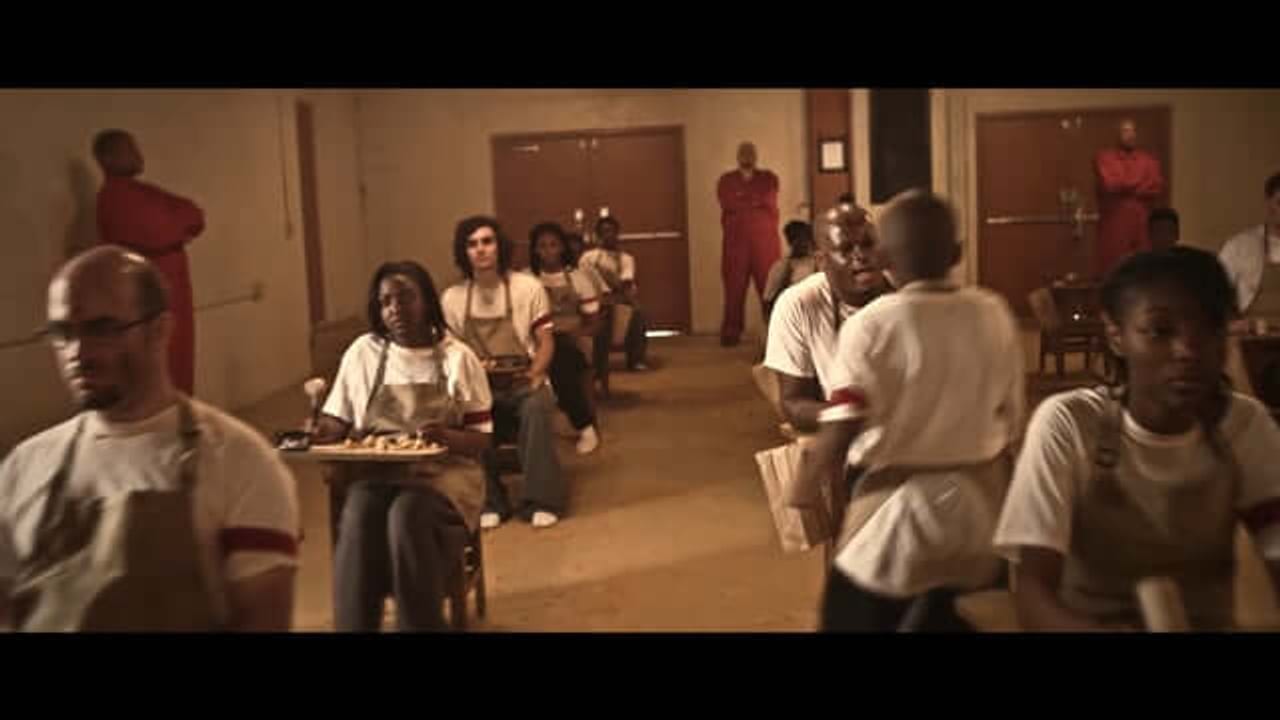
Filmed in an abandoned hospital near Atlanta, the production had just two setups to capture the eerie atmosphere essential to the story. This constraint pushed the crew to innovate with lighting — using practical and creative light sources to sculpt the waiting room and hallway scenes. Such limited setups require tight coordination with the main production schedule and nimble problem-solving on set, especially when working with 360 cameras like the Nokia Ozo, which capture every angle and leave no room for traditional lighting tricks.
Post-Production Challenges: Color Grading to Mirror Psychological Themes
The director’s vision called for a gritty, desaturated look that visually echoed the film’s noir and psychological horror elements. Achieving this in a 360 video adds complexity, as color grading must maintain consistency across the entire spherical frame without distracting artifacts. Post-production workflows for immersive content demand specialized tools and experienced colorists who understand how to balance mood with viewer comfort, ensuring the final grade supports the narrative without overwhelming the senses.
From Concept to Delivery: Turning Creative Ideas into a Production Brief
A key takeaway from the Jacob’s Ladder 360 trailer is the importance of connecting creative concepts to concrete production plans. Defining the target audience, distribution platforms, approval processes, and success metrics early shapes every stage — from pre-production scripting to final delivery formats. Clear briefs reduce guesswork, align stakeholders, and streamline post-production, especially for innovative formats where traditional video workflows don’t always apply.
How ECG Supports Immersive and Experimental Video Projects
ECG Productions offers end-to-end support for projects like the Jacob’s Ladder 360 trailer, from strategy and pre-production through to post and delivery. Our experience with immersive formats, specialized equipment, and bespoke workflows ensures your production meets creative ambitions while staying on schedule and budget. Explore our services, review related portfolio work, and bring your references to a consultation to shape a tailored production plan that fits your project’s unique demands.
FAQ
What are the key production challenges when shooting a 360 video trailer?
360 video production requires careful planning around camera placement, lighting that works from all angles, and managing viewer perspective. Limited setups and tight schedules demand nimble crews and specialized equipment like the Nokia Ozo to capture immersive footage without compromising quality.
How does color grading differ for 360 videos compared to traditional films?
Color grading 360 videos involves ensuring consistent color and mood across the entire spherical image. Unlike flat video, any grading artifacts or color shifts are more noticeable and can distract the viewer, so experienced colorists use specialized tools to maintain visual coherence and support the story’s tone.
How can I turn a creative idea into a practical production plan for immersive content?
Start by defining your audience, distribution channels, deliverables, and approval workflow. Then connect these to your creative goals to build a detailed brief that guides pre-production, production, and post. Clear communication and early alignment help avoid costly revisions and ensure the final piece meets expectations.
What should a team understand about Jacob’s Ladder | 360 Trailer Experience?
The useful takeaway is how audience, creative direction, production choices, post-production, approvals, and delivery needs shape the final video plan.
Where should this kind of project start?
Start with the goal, audience, deadline, where the finished piece needs to live, and the practical constraints that will affect creative and production decisions.
How can ECG help with the next step?
ECG can help connect the creative idea to production planning, filming, post-production, versioning, and delivery so the finished work fits the channel and the audience.