Discover how Kimberly-Clark’s Elevate the Core video series balances corporate culture storytelling with clear messaging and polished animation. Learn practical production
Help marketing and production teams decide how to plan and scope a corporate culture video that balances information clarity with engaging animation and tone.
Why Defining Your Audience and Goal Shapes Every Production Decision
At the heart of Kimberly-Clark’s Elevate the Core series is a clear understanding of who the video needs to reach and what it must communicate. Before any script is written or animation started, defining the target audience and the core message sets the foundation for every production choice. For example, a video aimed at internal teams requires a different tone and level of detail than one designed for external customers or investors. This clarity ensures the final video resonates and avoids wasted budget on irrelevant content or style.
From Bullets to Bite-Sized Copy: Crafting Conversational Scripts
The writing team distilled complex corporate culture initiatives into conversational, digestible scripts. This approach keeps viewers engaged and makes dense information easier to absorb. When planning your video, work closely with writers who can translate strategic messages into clear, relatable language. This step is crucial in pre-production and influences pacing, voiceover direction, and animation style.
Animation That Supports Storytelling Without Overcomplicating
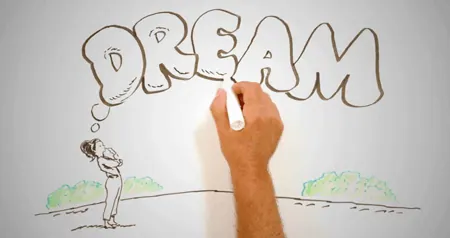
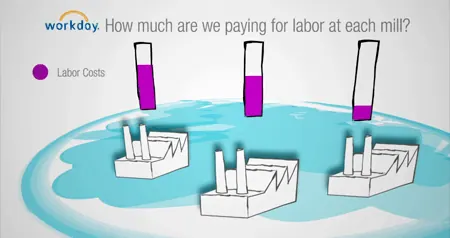
The Elevate the Core video uses simple, diverse visuals with sleek transitions and subtle physics effects to maintain a polished yet approachable feel. Overly complex animation can distract or inflate budgets unnecessarily. Instead, focus on visuals that reinforce the message and tone. Animators and producers should collaborate early to balance creativity with clarity and cost-effectiveness.
Budgeting Realities: How Scope Changes Impact Costs
Production budgets hinge on clear scope definitions: audience, deliverables, locations, talent, crew, edit time, versions, and usage rights all affect cost. Kimberly-Clark’s project demonstrates how a well-scoped plan protects budgets by aligning expectations upfront. Changes in these variables during production can quickly increase costs. Transparent conversations about these factors during the first call help avoid surprises.
Making Your First Production Call Productive
To get the most from your initial conversation with a production partner, bring concrete details: the video’s goal, target audience, must-have assets, sample references, deadlines, and distribution plans. Sharing what works and what doesn’t in reference videos sharpens the brief. This preparation enables the production team to recommend the right service path, anticipate challenges, and provide accurate estimates.
FAQ
How do I define the right audience for a corporate culture video?
Start by identifying who needs to engage with the message—employees, leadership, partners, or customers—and what they already know. Tailoring tone and content to this group ensures relevance and impact.
What level of animation complexity is appropriate for internal culture videos?
Simple, clean animation that supports the message without overwhelming viewers usually works best. It keeps budgets manageable and maintains focus on the story.
How can I avoid budget surprises during video production?
Clearly outline scope details upfront, including deliverables, locations, talent, and usage rights. Regular communication and approvals at key stages help keep the project on track financially.
What should a team understand about Kimberly-Clark | Elevate the Core - KC Pillars #1?
The useful takeaway is how audience, creative direction, production choices, post-production, approvals, and delivery needs shape the final video plan.
Where should this kind of project start?
Start with the goal, audience, deadline, where the finished piece needs to live, and the practical constraints that will affect creative and production decisions.
How can ECG help with the next step?
ECG can help connect the creative idea to production planning, filming, post-production, versioning, and delivery so the finished work fits the channel and the audience.