Explore how MARTA's 110 In The Shade: The Platform Performance used innovative 360 video and immersive staging to transform a transit station into a live theater experience.
Help readers understand the production decisions behind MARTA's immersive 360 video activation and how to plan similar experiential video projects.
Transforming Transit Spaces with Immersive 360 Video
MARTA's 110 In The Shade: The Platform Performance turned a busy Atlanta transit station into an unexpected theater experience using 360 video technology. By placing theater chairs directly in the Peachtree Center MARTA station and inviting commuters to sit and watch, the project created an intimate moment of escape amid the daily rush. This approach shows how 360 video can break traditional viewing boundaries and immerse audiences in new ways — but it also requires meticulous production planning to succeed.
Pre-Production: Planning for a Seamless 360 Shoot
Producing a 360 video in a high-traffic public space demands detailed pre-production strategy. Key questions include: Who is the audience? What locations and times minimize disruptions? What talent and choreography will the 360 camera capture? How will sound and lighting be managed in an uncontrolled environment? What approvals and permits are needed? Answering these upfront shapes crew size, gear choices, schedule, and risk management. For MARTA, coordinating with the transit authority and Theatrical Outfit charity ensured smooth operations and clear creative goals.
Production Challenges: Protecting the Edit on Set
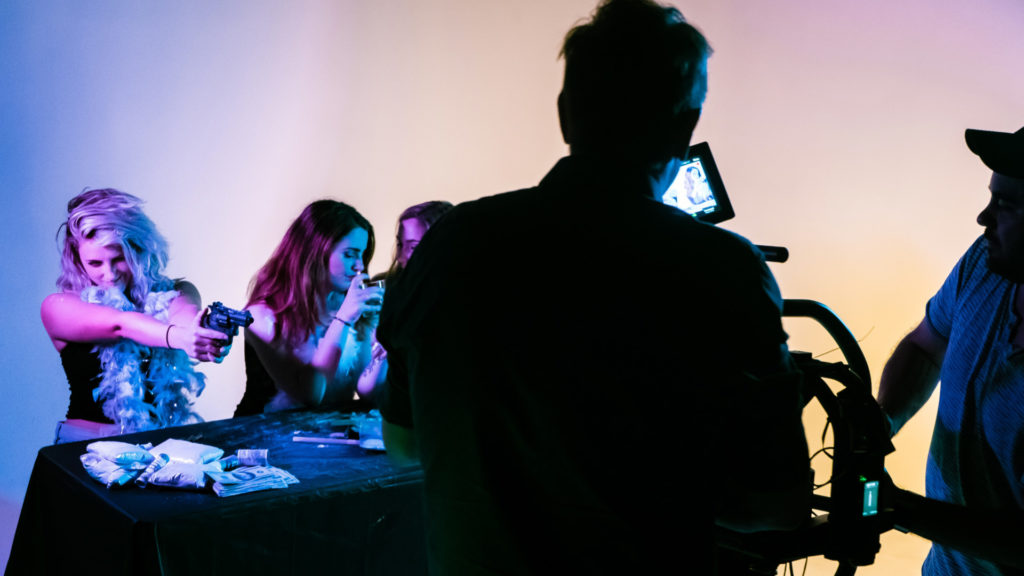
On shoot day, the 360 production team must protect the edit by capturing all necessary angles and choreography without losing story continuity. Unlike traditional filming, 360 video captures everything around the camera, so every element in the frame matters. The crew must monitor lighting consistency, sound clarity, and talent positioning while adapting to the dynamic transit environment. Keeping the shoot moving efficiently while maintaining creative control is essential to avoid costly reshoots and post-production headaches.
Post-Production: Crafting the Immersive Experience
Post-production for 360 video involves stitching footage seamlessly, balancing color and audio, and ensuring the final deliverable plays smoothly across platforms. Editors work closely with producers to maintain pacing and narrative flow that engage viewers in a 360 space. For MARTA’s project, the edit had to translate the live theater feel into a virtual environment that felt intimate yet expansive. Sound design was critical to immerse viewers in the performance while masking ambient transit noise.
Key Takeaways for Planning Your Own 360 Video Activation
MARTA | 110 In The Shade: The Platform Performance demonstrates that successful 360 video activations hinge on thorough planning, clear creative intent, and technical expertise. Define your audience and viewing context early. Align production logistics with creative goals. Anticipate environmental challenges and build flexibility into your schedule. Collaborate closely with post-production to protect the edit from day one. And consider how the final piece will be distributed and approved to ensure it meets your brand’s standards and audience expectations.
FAQ
What are the main production challenges when filming 360 video in public spaces?
Filming 360 video in public spaces requires managing unpredictable environmental factors like lighting changes, ambient noise, and pedestrian traffic. It also demands careful choreography and camera placement to ensure the entire 360 frame supports the story without distractions.
How does pre-production planning differ for 360 video compared to traditional video?
360 video pre-production must account for the camera capturing everything around it, so set design, talent movement, and lighting must be planned in all directions. Additionally, considerations for viewer perspective and interactive elements influence shoot logistics and approvals.
What post-production steps are unique to 360 video?
Post-production for 360 video involves stitching multiple camera feeds into a seamless spherical image, balancing color and audio across the entire field of view, and optimizing playback compatibility across VR headsets and online platforms.
What should a team understand about MARTA | 110 In The Shade: The Platform Performance?
The useful takeaway is how audience, creative direction, production choices, post-production, approvals, and delivery needs shape the final video plan.
Where should this kind of project start?
Start with the goal, audience, deadline, where the finished piece needs to live, and the practical constraints that will affect creative and production decisions.
How can ECG help with the next step?
ECG can help connect the creative idea to production planning, filming, post-production, versioning, and delivery so the finished work fits the channel and the audience.