Explore how millennial nostalgia shapes TV and film production, from planning authentic period details to protecting fan-favorite elements through post-production.
Help producers and marketers understand how to plan and execute nostalgia-driven TV and film projects that resonate with millennial audiences.
Why Millennial Nostalgia Shapes Production Choices
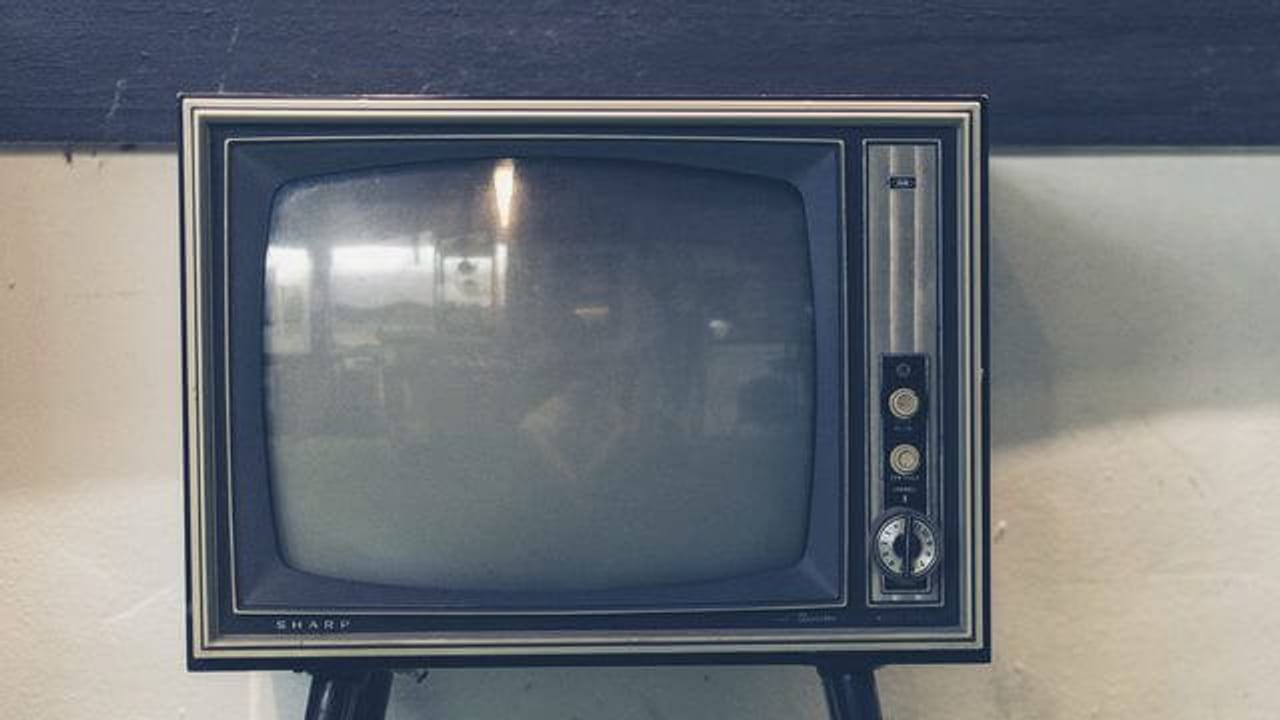
Millennial nostalgia isn’t just a marketing buzzword—it’s a production reality that influences every stage of creating TV shows and films aimed at this key demographic. Millennials grew up during rapid technological and cultural shifts, so their nostalgic tastes often blend ’80s and ’90s aesthetics with modern storytelling. For producers, this means pre-production must include thorough research and sourcing of authentic props, wardrobe, and set designs that evoke specific eras without feeling kitschy. Capturing this authenticity on camera requires careful lighting, color grading, and framing choices in production and post to transport viewers convincingly back in time.
Planning for Nostalgia: Pre-Production Essentials
Successful nostalgia-driven projects start with detailed pre-production planning. Location scouts need to find or dress sets that reflect the period accurately, from architecture to small details like signage and technology. Wardrobe and prop departments must secure era-appropriate items—sometimes sourcing vintage pieces or creating custom replicas. Script supervisors and directors collaborate closely to ensure dialogue and cultural references feel genuine to the era portrayed. Early involvement of post-production supervisors helps anticipate color palettes and visual effects that enhance the nostalgic mood without overwhelming the story.
Capturing Nostalgia on Set: Production Techniques
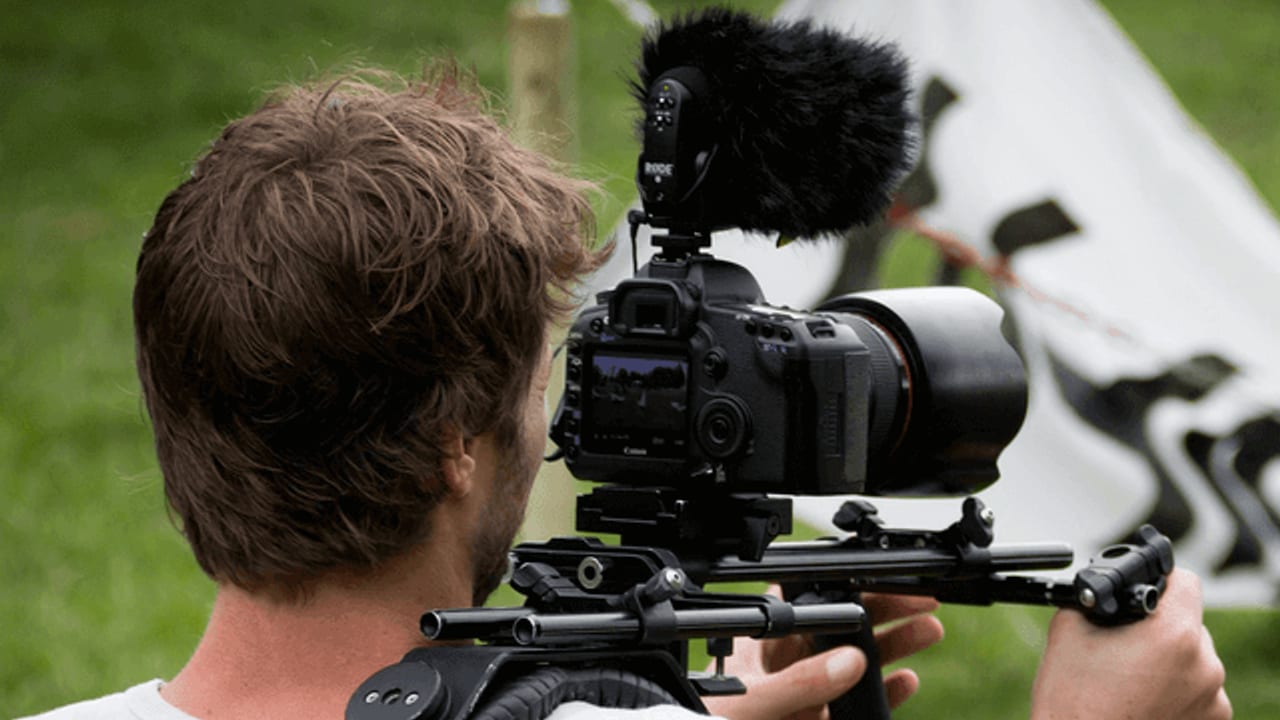
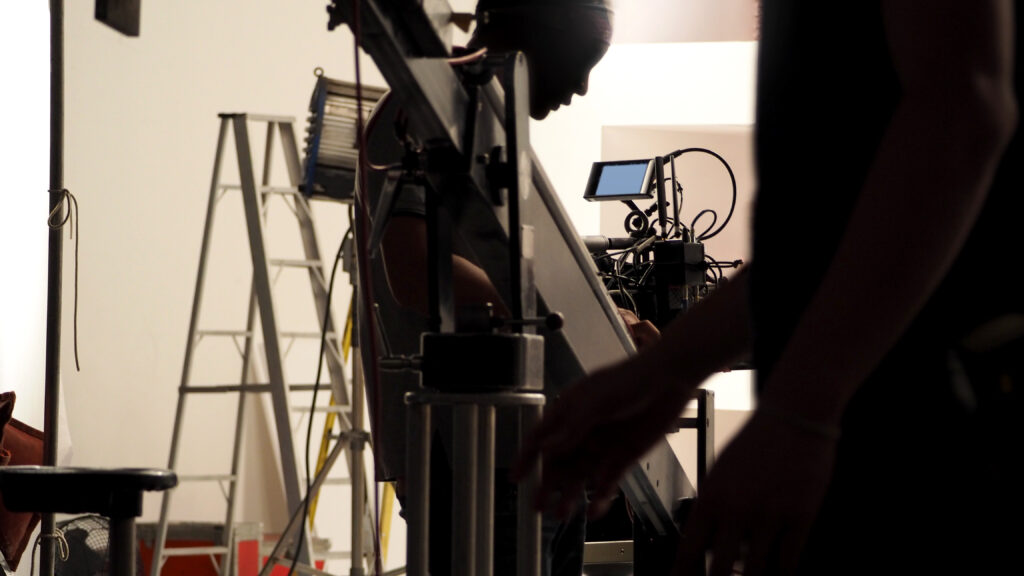
On set, production teams balance modern filming technology with techniques that evoke the desired era. Cinematographers might choose specific lenses or filters to mimic film stocks popular in the ’80s or ’90s. Lighting setups often aim for softer, warmer tones that recall analog video or early digital aesthetics. Directors work with actors to deliver performances that feel authentic to the time without caricature. Sound teams capture ambient noises and music cues that subtly reinforce the nostalgic setting. Every frame is crafted to support the emotional connection millennials have with these past decades.
Post-Production: Protecting the Nostalgic Vision
Post-production is where the nostalgic atmosphere truly comes together. Editors shape pacing to reflect storytelling styles of the era, while colorists apply grading that enhances period authenticity—whether it’s the saturated hues of ’80s TV or the muted tones of ’90s indie films. Sound designers integrate era-specific audio textures and music beds to deepen immersion. Rights clearance for vintage music and footage is critical to avoid legal pitfalls. Finally, approval workflows must include client and audience feedback loops to ensure the nostalgia resonates without feeling forced or outdated.
Distribution and Audience Engagement for Nostalgic Content
Once the nostalgic project is complete, distribution strategies should leverage millennial viewing habits. Streaming platforms remain dominant, allowing binge-watching and social sharing that amplify fan engagement. Marketing campaigns often highlight the nostalgic elements through trailers, behind-the-scenes content, and interactive social media experiences. Producers should plan for multi-platform delivery formats, including mobile-friendly edits and subtitled versions, to reach diverse millennial audiences globally. Tracking audience response post-release informs future nostalgia-driven productions and helps refine production approaches.
FAQ
How do producers ensure period accuracy in nostalgia-driven projects?
Producers collaborate closely with research teams, set decorators, costume designers, and script supervisors during pre-production to source authentic props, wardrobe, and locations. Early involvement of post-production supervisors helps maintain consistent period accuracy through color grading and effects.
What are common post-production challenges with nostalgic TV and film?
Key challenges include securing rights for vintage music and footage, applying color grading that evokes the era without looking outdated, and balancing modern audio quality with period-appropriate sound textures.
How can marketing teams leverage nostalgia to engage millennial audiences?
Marketing teams highlight nostalgic elements through trailers, social media campaigns, and behind-the-scenes content that taps into millennials’ emotional connections. Multi-platform distribution and interactive experiences help maximize engagement.
What should a team understand about What Millennial Nostalgia Means for TV and Film?
The useful takeaway is how audience, creative direction, production choices, post-production, approvals, and delivery needs shape the final video plan.
Where should this kind of project start?
Start with the goal, audience, deadline, where the finished piece needs to live, and the practical constraints that will affect creative and production decisions.
How can ECG help with the next step?
ECG can help connect the creative idea to production planning, filming, post-production, versioning, and delivery so the finished work fits the channel and the audience.