Explore the production realities behind the Best Animated Feature Oscar category, its impact on animated film recognition, and what producers should consider when aiming for
Help producers and brands understand the production and strategic implications of the Best Animated Feature Oscar category to make smarter creative and distribution decisions.
Why the Best Animated Feature Category Matters for Production Planning
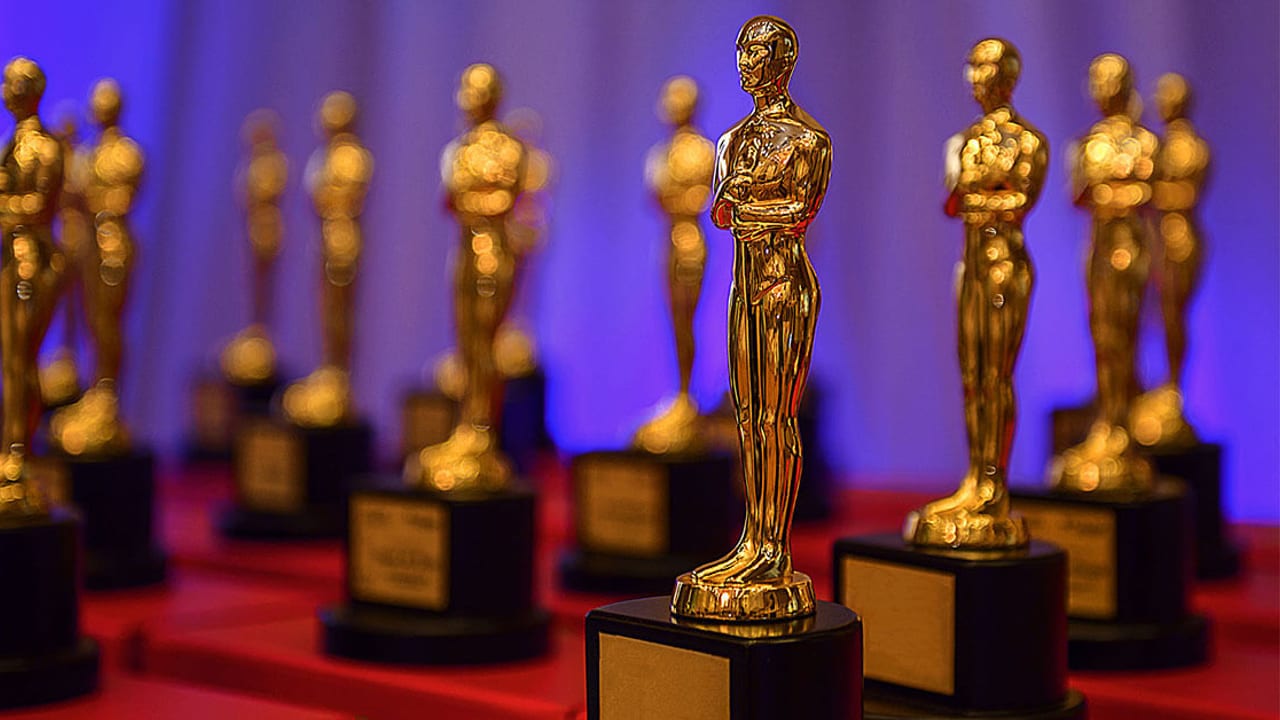
The Academy Award for Best Animated Feature, introduced in 2002, changed how animated films are positioned within the industry and awards landscape. For producers and brands, this category guarantees recognition but also shapes production priorities. Animated features must now balance technical excellence, storytelling, and audience appeal to stand out—not just among animation peers but in the broader film market. Planning for this category means investing in high-quality animation techniques, compelling narratives, and post-production workflows that meet Oscar standards, including color grading, sound design, and delivery formats that align with Academy requirements.
The Production Challenges Behind Animated Features Competing for Oscars
Producing an Oscar-worthy animated feature involves complex coordination across multiple production phases. From pre-production storyboarding and design to the intricate animation process—whether CGI, hand-drawn, or stop-motion—each choice impacts the final film’s reception. For example, stop-motion films like Laika’s "Kubo and the Two Strings" require painstaking frame-by-frame capture and lighting setups that differ greatly from CG workflows. Post-production must ensure seamless editing, audio mixing, and visual effects integration. Producers should also plan for extended approval cycles with stakeholders and rights management to secure distribution and award eligibility.
How the Oscar Category Influences Distribution and Marketing Strategies
The existence of a dedicated Best Animated Feature category affects how animated films are marketed and distributed. Studios often time releases strategically around awards season to maximize visibility. Marketing campaigns emphasize not only the animation quality but also the film’s thematic depth and originality to appeal to Academy voters and general audiences alike. Distribution plans must accommodate screenings for Academy members, festival circuits, and international markets. Understanding these production-to-distribution linkages helps brands and agencies align their budgets, schedules, and promotional efforts for maximum impact.
Diversity in Animation Styles and Its Impact on Award Consideration
While CGI dominates the category, recent years have seen increasing recognition of diverse animation techniques, including hand-drawn and stop-motion. Each style presents unique production demands and storytelling opportunities. For instance, hand-drawn projects require skilled artists and a different post pipeline, while stop-motion involves physical set building and intricate frame capture. These choices affect timelines, budgets, and technical workflows. Producers should weigh these factors carefully, considering how innovation in animation style can differentiate a film in the awards race and resonate with both voters and audiences.
Key Takeaways for Producers and Brands Targeting Animated Feature Awards
Securing a nomination or win in the Best Animated Feature category requires more than creative vision—it demands meticulous production planning, technical excellence, and strategic distribution. Producers should prioritize early alignment on animation style, storytelling focus, and post-production quality. Engaging experienced teams familiar with award standards can streamline approvals and delivery. Additionally, integrating marketing and distribution strategies early ensures the film reaches the right audiences and voters. Ultimately, understanding the production realities behind this Oscar category empowers brands and agencies to make informed decisions that elevate their animated projects.
FAQ
What production elements are crucial for an animated feature to be Oscar-eligible?
Oscar eligibility requires careful attention to animation quality, storytelling, sound design, color grading, and delivery formats that meet Academy standards. Producers must also ensure the film meets runtime and release criteria.
How does animation style affect the production timeline and budget?
Different animation styles—CGI, hand-drawn, stop-motion—have distinct workflows. For example, stop-motion is labor-intensive and time-consuming, while CGI requires substantial rendering time and technical resources, impacting schedules and costs.
Can animated features compete in other Oscar categories besides Best Animated Feature?
Yes, animated films can be nominated in categories like Best Picture, Original Score, or Sound Editing. However, the Best Animated Feature category often serves as the primary recognition platform for animation.
What should a team understand about Should Animated Features Have Their Own Academy Award Category??
The useful takeaway is how audience, creative direction, production choices, post-production, approvals, and delivery needs shape the final video plan.
Where should this kind of project start?
Start with the goal, audience, deadline, where the finished piece needs to live, and the practical constraints that will affect creative and production decisions.
How can ECG help with the next step?
ECG can help connect the creative idea to production planning, filming, post-production, versioning, and delivery so the finished work fits the channel and the audience.