Discover the essential role of a Production Assistant on set—from prep and equipment handling to talent support and post-shoot wrap-up—to make smarter production decisions.
Help readers understand the practical responsibilities and production impact of a Production Assistant to better plan and staff video shoots.
Understanding the Production Assistant Role
A Production Assistant (PA) is the backbone of any video or film shoot, providing crucial support across every stage of production. While the title sounds entry-level, the PA’s responsibilities are diverse and hands-on, ranging from managing equipment logistics and assisting the director of photography to coordinating talent and supporting craft services. Knowing what a PA actually does helps producers and agencies plan their crew efficiently and avoid last-minute scrambling.
Pre-Production Prep: Setting the Stage
Before the cameras roll, PAs help with essential prep tasks like organizing equipment, prepping wardrobe, and managing extras. For example, steaming costumes to remove wrinkles or directing talent to their call times ensures smooth shooting days. These seemingly small tasks keep the production on schedule and maintain professional standards that clients expect.
On-Set Responsibilities: The PA’s Day in Action
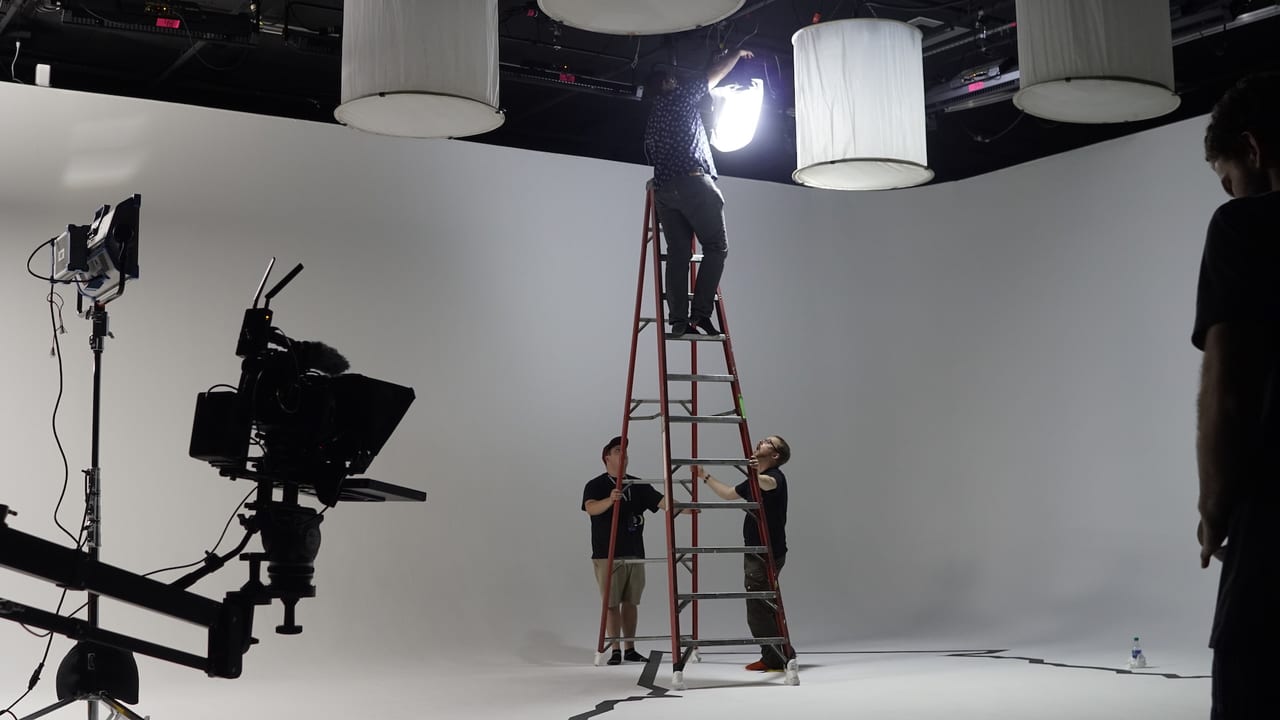
During the shoot, PAs are the go-to problem solvers. They assist the director of photography with blocking extras, run errands, manage crowd control, and often handle last-minute requests like makeup touch-ups or equipment adjustments. Their flexibility and proactive attitude keep the set running efficiently and help the creative team focus on capturing the best footage.
Post-Shoot Duties: Wrapping with Care
Once filming wraps, PAs play a vital role in striking the set—carefully packing equipment, cleaning the space, and ensuring no marks or damage remain. This attention to detail protects the production’s reputation and facilitates smooth post-production handoff. A thorough wrap also prevents costly delays or reshoots caused by overlooked set issues.
Why Hiring the Right PA Matters
Choosing an experienced PA can elevate your production quality and reduce stress on set. A skilled PA anticipates needs, communicates effectively, and handles multiple tasks without disrupting the flow. For agencies and brands, investing in a reliable PA means smoother shoots, better crew morale, and ultimately, a stronger final video product.
FAQ
What qualifications do I need to be a Production Assistant?
While formal qualifications aren't always required, strong organizational skills, a proactive attitude, and familiarity with set protocols are essential. Many PAs gain experience through internships or entry-level roles on productions.
How does a PA support the director of photography?
PAs assist the director of photography by helping with equipment setup, managing extras during blocking, and running errands that allow the DP to focus on lighting and camera work without distractions.
Can a PA perform makeup or wardrobe tasks?
PAs often help with minor tasks like applying powder to reduce shine or steaming costumes, but specialized roles like makeup artists or costume designers handle the more technical aspects. PAs support these departments as needed.
What should a team understand about Being a PA for the Day?
The useful takeaway is how audience, creative direction, production choices, post-production, approvals, and delivery needs shape the final video plan.
Where should this kind of project start?
Start with the goal, audience, deadline, where the finished piece needs to live, and the practical constraints that will affect creative and production decisions.
How can ECG help with the next step?
ECG can help connect the creative idea to production planning, filming, post-production, versioning, and delivery so the finished work fits the channel and the audience.