Explore how strategic planning, precise production techniques, and creative collaboration shaped Children’s Healthcare of Atlanta’s impactful Safe Sleep Awareness PSA.
Help readers understand how deliberate production decisions—from concept to camera gear—drive emotional impact in health-related video campaigns.
Why Every Production Choice Matters in Health Campaigns
Producing a public service announcement (PSA) for a sensitive topic like Safe Sleep Awareness demands more than just a good script. It requires a production strategy that carefully considers who the video must reach, what emotional response it should evoke, and how every element—from casting to camera movement—supports that goal. For Children’s Healthcare of Atlanta, the challenge was to create a spot that shocks to educate but also connects deeply with viewers. Understanding this upfront shaped every decision in pre-production and beyond.
From Concept to Camera: Building the Visual Story
The creative spark came from blending nostalgia with a hard-hitting message. Director Trey Gregory developed a vision that draws viewers in with the familiar warmth of watching children grow, only to deliver a gut punch that drives home the risks of unsafe sleep practices. This concept dictated the production design and cinematography choices. Director of Photography Emily Payton selected an ARRI Alexa Mini paired with a lightweight Chapman Super PeeWee III Plus dolly system, enabling smooth, controlled camera moves—even up and down stairs—without compromising agility or shot stability.
Production Design: Setting the Emotional Tone
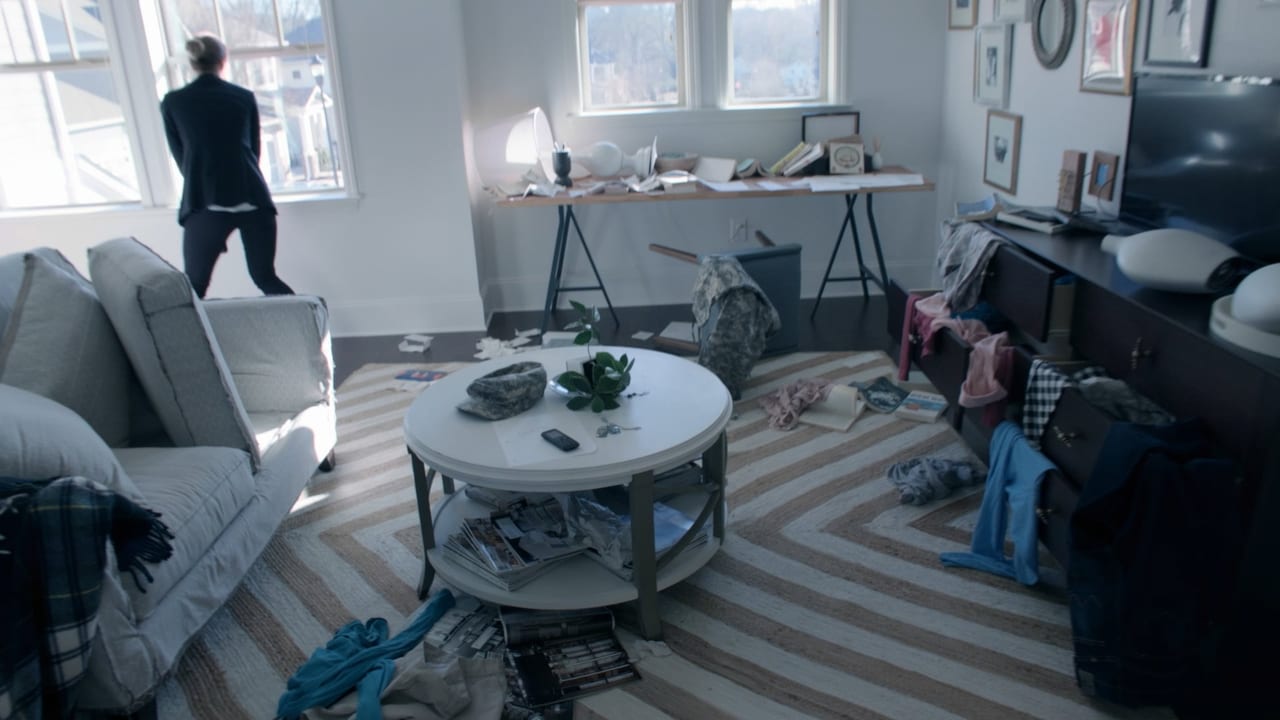
Color and environment are silent storytellers. Trey’s direction to avoid traditional dark, gloomy grief visuals led Production Designer Muriel Lee to craft a nursery that felt authentic yet emotionally charged through a carefully chosen color palette and set dressing. The nursery’s repainting and staging became a pivotal visual anchor, symbolizing both loss and hope. This attention to detail ensured the spot’s mood supported the narrative without overwhelming it.
On Set Precision: The Art of Capturing Emotion
Executing such a nuanced vision required technical precision and teamwork. Dolly Grip Alessandro Graci’s expert handling of the dolly allowed for those slow, deliberate camera moves that heighten emotional tension. Meanwhile, Focus Puller Sebastian Chamaca nailed critical shots on the first take, minimizing reshoot risks and maintaining the shoot’s momentum. Moments like capturing the talent painting the nursery wall became emblematic of the project’s layered storytelling.
Why This PSA Works: Lessons for Your Next Health Video
This project underscores how every production phase—from initial strategy through post-production—must align with the campaign’s emotional and educational goals. Thoughtful casting, location prep, camera gear choices, and color design all contribute to a cohesive story that resonates. For brands and agencies planning health-related videos, investing in these deliberate production decisions can transform a simple message into a powerful call to action.
FAQ
What camera equipment is best for emotionally driven PSAs?
Choosing camera equipment like the ARRI Alexa Mini paired with a lightweight dolly system allows for smooth, controlled movements that enhance emotional storytelling without sacrificing flexibility on set.
How does production design influence the tone of a health campaign video?
Production design uses color, set dressing, and location choices to subtly shape the viewer’s emotional response, helping to communicate complex feelings like grief or hope without relying solely on dialogue.
Why is pre-production research important before filming a PSA?
Pre-production research ensures the creative vision aligns with the message’s intent and audience needs, helping directors and designers make informed choices that maximize impact and authenticity.
What should a team understand about Children’s Healthcare of Atlanta | A Thousand Little Choices?
The useful takeaway is how audience, creative direction, production choices, post-production, approvals, and delivery needs shape the final video plan.
Where should this kind of project start?
Start with the goal, audience, deadline, where the finished piece needs to live, and the practical constraints that will affect creative and production decisions.
How can ECG help with the next step?
ECG can help connect the creative idea to production planning, filming, post-production, versioning, and delivery so the finished work fits the channel and the audience.