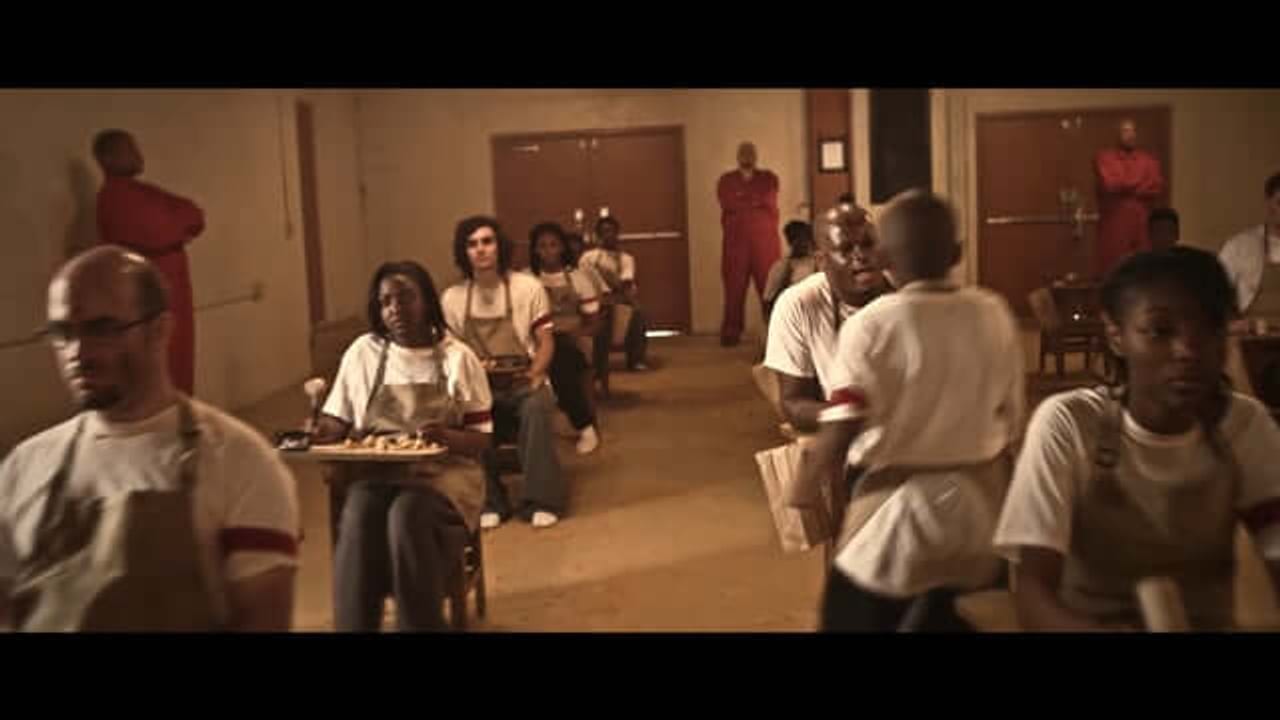
Explore the production insights from Concrete Combat Episode 107’s live finale, revealing how precise planning, live direction, and audience engagement shape a high-stakes
Help video producers and brand marketers understand the key production decisions behind a live-competition construction series finale to plan their own high-impact video projects.
The Stakes of a Live Construction Competition
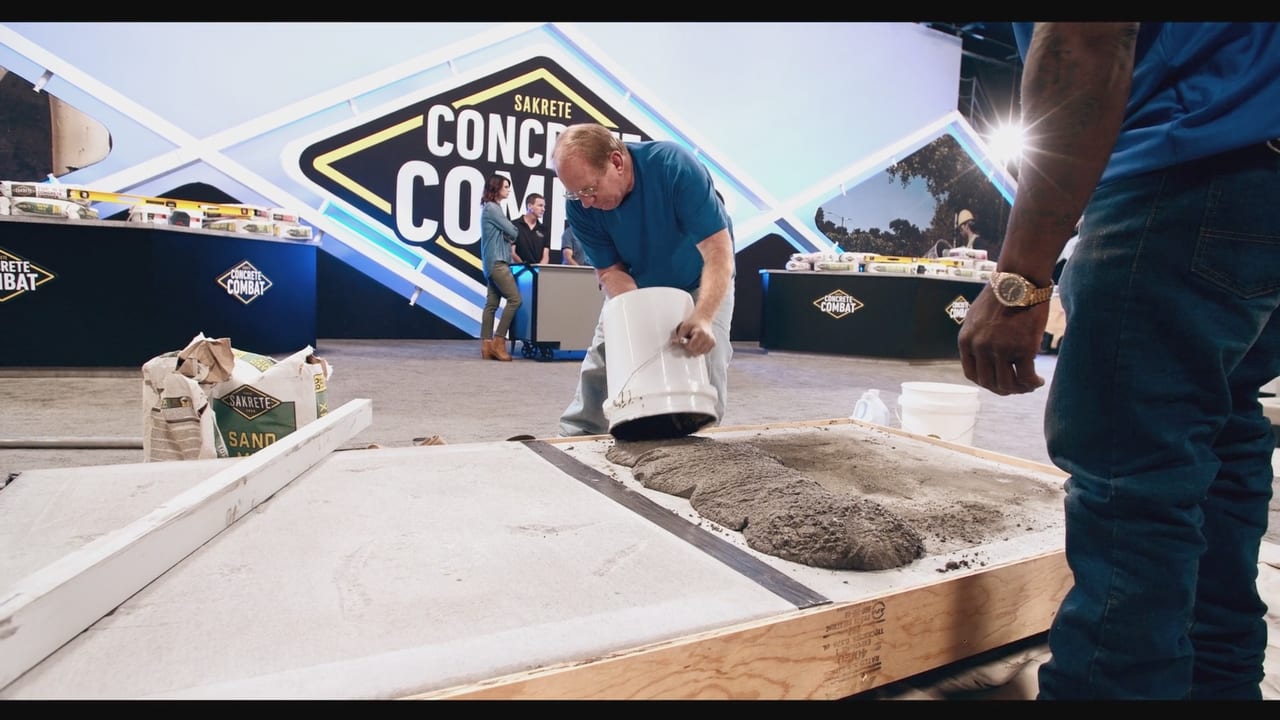
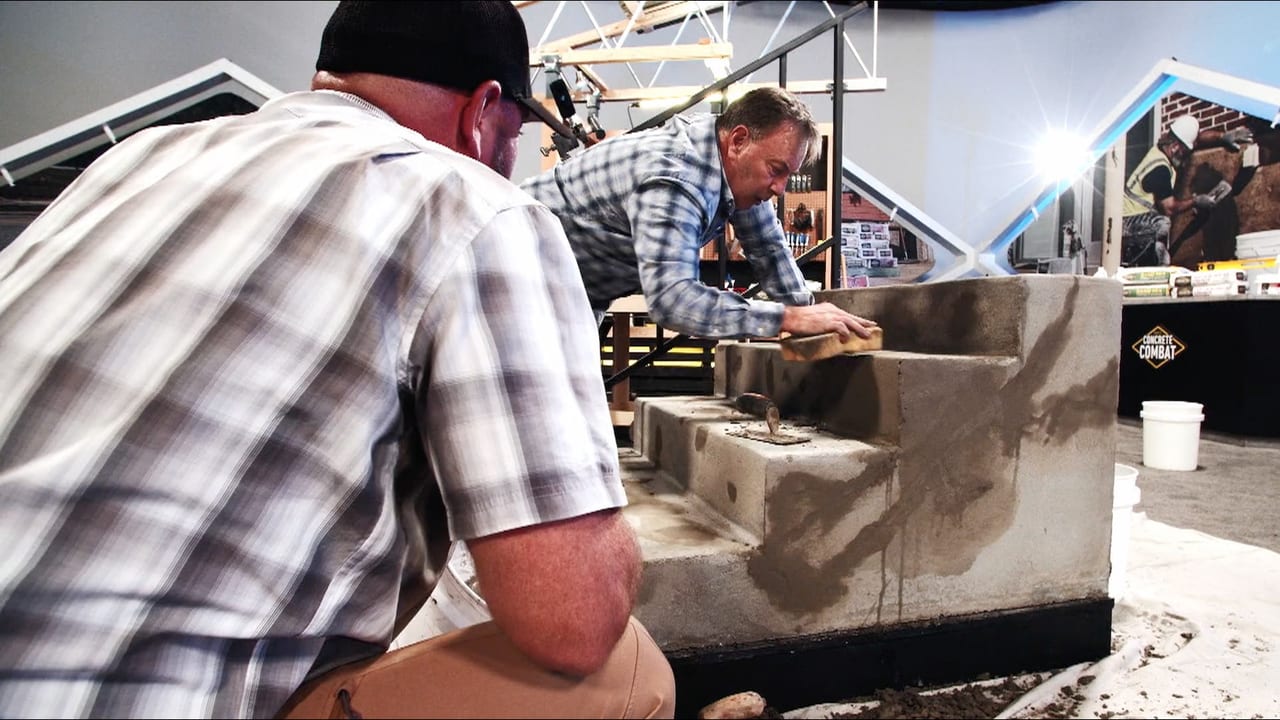
Concrete Combat’s Episode 107 delivers a high-pressure showdown where finalists repair a damaged drainage culvert live, in front of a roaring crowd and critical judges. For producers, this scenario demands flawless coordination across pre-production, production, and post. The challenge isn’t just the competitors’ skills — it’s capturing every moment with precision, from camera angles to live color correction, while managing unpredictable elements like audience reactions and surprise twists. This episode exemplifies how production teams must synchronize technical expertise and storytelling in real time to create engaging, authentic content.
Pre-Production: Planning for Speed and Surprise
Behind the scenes, pre-production focused on mapping out the live event’s flow and contingency plans. The crew coordinated with the Sakrete team and event organizers at the World of Concrete to understand the venue’s layout, lighting conditions, and timing constraints. Storyboarding key moments ensured camera operators were positioned for critical actions like the culvert repair and judges’ reactions. The surprise twist introduced by judges required flexible shot planning and rapid communication. This stage highlights the importance of detailed planning and clear roles to keep a live shoot running smoothly.
Production: Live Direction and Real-Time Problem Solving
Director Jordan Nowlin stepped into the showrunner role, managing live switching and color correction on the fly. This dual role demanded sharp focus and clear communication with camera operators and the technical team. Trust among crew members was essential, allowing them to anticipate each other’s moves and maintain seamless coverage despite the fast pace. The production captured not only the technical execution of the repair but also the tension and excitement of the competition, balancing multiple camera feeds and live audio to keep viewers engaged.
Post-Production and Delivery: Enhancing the Live Experience
Though the episode was recorded live, post-production played a crucial role in refining the final product for distribution. Color grading enhanced visual consistency across shots, while sound editing balanced crowd noise, commentary, and on-site audio for clarity. Graphics and titles were integrated to highlight scores, time remaining, and key moments, reinforcing the competitive narrative. The finished video was optimized for multiple platforms, ensuring it resonated with both live attendees and online audiences. This stage underscores how post-production can elevate live footage into a polished, compelling story.
What Concrete Combat Episode 107 Teaches Video Producers
This episode is a masterclass in blending live event production with storytelling. It shows how clear pre-production planning, adaptive live direction, and focused post-production combine to deliver a video that feels immediate and polished. Producers should ask: Who is the audience? What story must the video tell? What are the key deliverables and deadlines? How will approvals be managed? Answering these questions early ensures the production team can tailor their approach and resources effectively. Concrete Combat’s finale proves that with the right preparation and teamwork, even the most unpredictable live shoots can result in a premium video experience.
FAQ
How do you manage live direction during a fast-paced competition shoot?
Live direction requires a clear communication system, predefined camera positions, and a director who can multitask—switching feeds, color correcting, and guiding the crew in real time. Trust and preparation are key to adapting quickly without missing critical moments.
What role does pre-production play in live event video shoots?
Pre-production sets the foundation by planning camera setups, shot lists, timing, and contingency plans. It ensures the production team is aligned on the story, technical needs, and how to handle surprises, which is essential for smooth live execution.
Can post-production improve a live-recorded event video?
Absolutely. Post-production balances audio levels, refines color grading, adds graphics, and tightens pacing. Even live-recorded content benefits from these enhancements to deliver a polished, engaging final video.
What should a team understand about Concrete Combat | Episode 107 | The Final Showdown?
The useful takeaway is how audience, creative direction, production choices, post-production, approvals, and delivery needs shape the final video plan.
Where should this kind of project start?
Start with the goal, audience, deadline, where the finished piece needs to live, and the practical constraints that will affect creative and production decisions.
How can ECG help with the next step?
ECG can help connect the creative idea to production planning, filming, post-production, versioning, and delivery so the finished work fits the channel and the audience.