ECG Productions
ECG Blog

Production

What Every Producer Needs to Know About Planning, Capturing, and Protecting Production

Discover practical insights on managing production phases—from pre-production through post—to ensure your final video content delivers impact, stays on schedule, and protects

Updated Jun 28, 20263 min readProduction
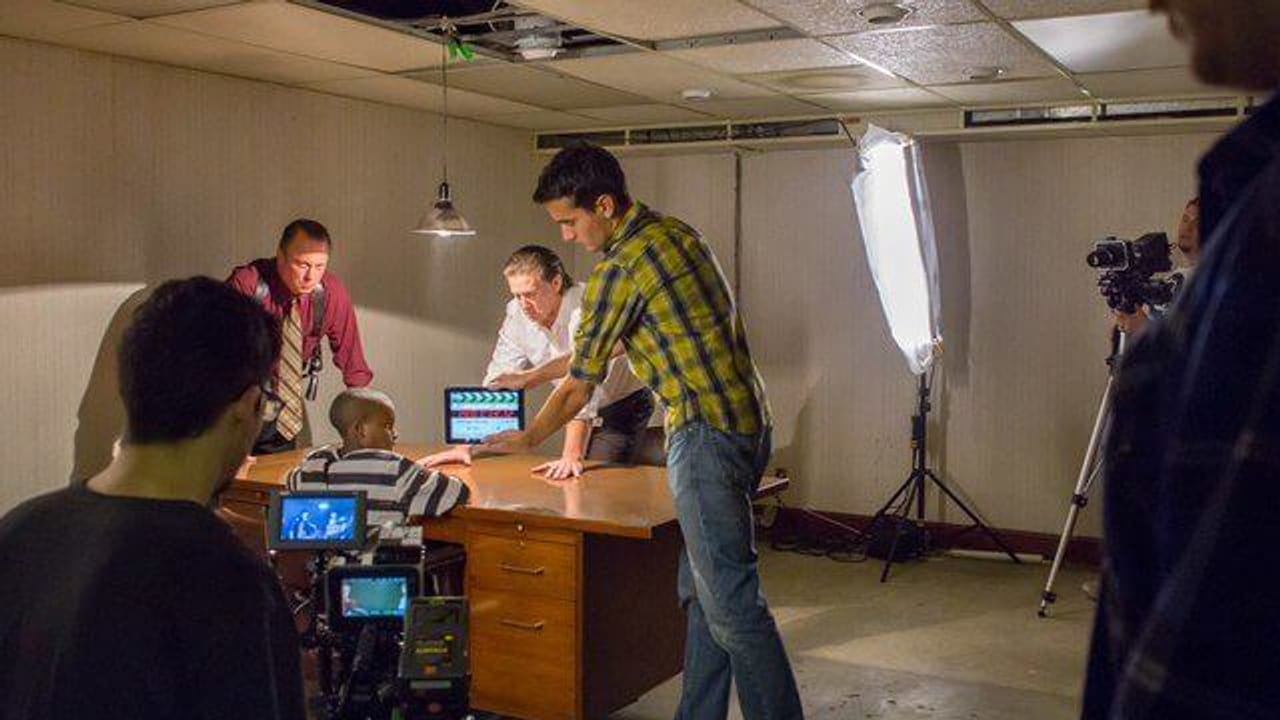
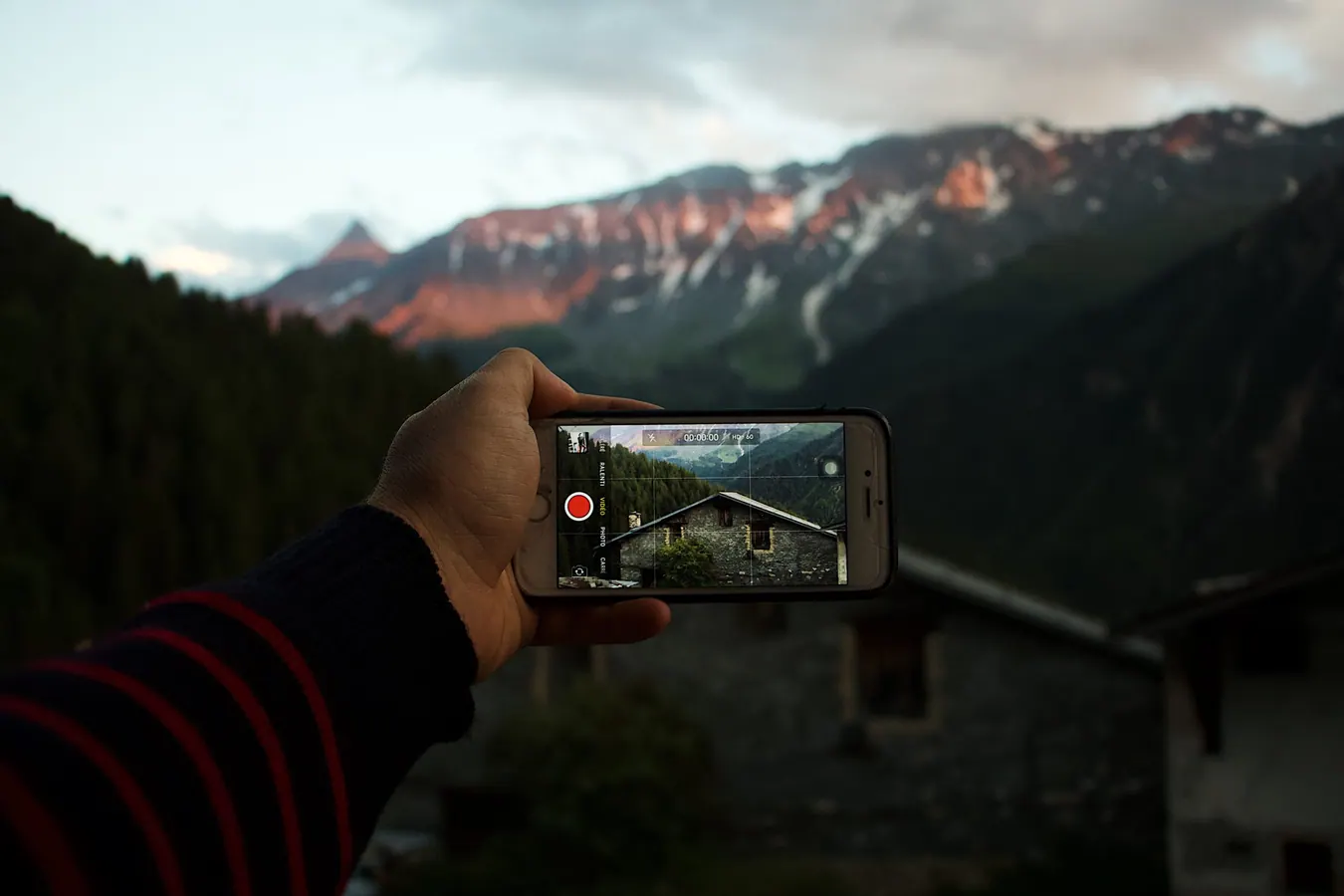
Content Survey Response #2: Mary Winter article image showing ECG Productions crew, cameras, or on-set production work.

Production

Post-production thinking for edits, finishes, fixes, and final delivery.

Post-Production Context

Know what the footage needs after the shoot.

Post is where structure, pacing, sound, color, graphics, delivery specs, and review discipline either strengthen the project or expose the problems that were never solved earlier.

Tools change, but the edit still has to think.

Post-production software, codecs, AI tools, and platform specs keep moving. The durable lesson is still story, pacing, structure, sound, color, graphics, review discipline, and finishing for the places the video has to live.

Know what feels wrong before post starts.

If the article sounds close to your situation, gather source footage, current cuts, brand guidance, platform specs, deadline, and the places where the piece is not landing yet.

Connect the read to finishing decisions.

Post-production is where edit goals, review rounds, delivery versions, sound, color, graphics, captions, and final placement all come into focus.

Article

Discover practical insights on managing production phases—from pre-production through post—to ensure your final video content delivers impact, stays on schedule, and protects

Help video producers and content creators make smarter decisions about planning, capturing, and safeguarding production elements for a successful final deliverable.

Why Planning Sets the Foundation for Production Success

Every successful production begins long before the cameras roll. Pre-production is where you define your creative vision, schedule shoots, secure locations, and coordinate crew and equipment. This phase is critical to avoid costly delays and ensure everyone understands their role. At ECG, we emphasize detailed shot lists, clear call sheets, and contingency plans to keep your project on track and your budget intact.

Capturing Content: Balancing Creativity and Technical Precision

On set, your focus shifts to capturing footage that aligns with your story and technical standards. This means managing lighting, sound, camera settings, and performance direction with precision. Protecting your data here is just as important—using reliable media backups and logging footage meticulously prevents loss or confusion later. Our crews at ECG combine creative instincts with technical discipline to deliver footage that requires minimal fixes in post.

Protecting Your Assets Through Post-Production

Once shooting wraps, safeguarding your content continues. Post-production involves editing, color grading, sound design, and final delivery, all of which depend on well-organized and high-quality source material. Proper metadata tagging, version control, and secure storage ensure your editors can work efficiently without scrambling for files. ECG’s post teams collaborate closely with producers to maintain creative intent while optimizing workflow and turnaround times.

Managing Approvals and Rights for Smooth Distribution

A polished video is only as good as its clearance and approval process. Early identification of rights holders, talent releases, and music licenses prevents legal headaches down the line. Structured approval workflows with stakeholders keep feedback timely and actionable. ECG supports clients with clear documentation and communication strategies to expedite sign-offs and prepare content for multi-platform distribution.

Real-World Example: How ECG Streamlined a Complex Production

A recent ECG project involved multiple locations, a tight schedule, and high client expectations. By investing extra time in pre-production planning, our team created detailed production bibles and risk assessments. On set, we implemented redundant data backups and daily dailies reviews. Post-production benefited from organized asset management and proactive rights clearance. The result was a seamless delivery that met creative goals and deadlines without surprises.

FAQ

What are the most critical elements to plan before production starts?

Key elements include defining the creative vision, scheduling shoots, securing locations and permits, organizing crew and equipment, and preparing detailed shot lists and call sheets.

How can I protect my footage during production?

Use reliable media storage with immediate backups, maintain clear logging of all footage, and implement data management protocols on set to prevent loss or corruption.

Why is rights clearance important before distribution?

Clearing rights for talent, music, and locations early avoids legal issues, ensures smooth approvals, and enables distribution across platforms without restrictions.

What should a team understand about Content Survey Response #2: Mary Winter?

The useful takeaway is how audience, creative direction, production choices, post-production, approvals, and delivery needs shape the final video plan.

Where should this kind of project start?

Start with the goal, audience, deadline, where the finished piece needs to live, and the practical constraints that will affect creative and production decisions.

How can ECG help with the next step?

ECG can help connect the creative idea to production planning, filming, post-production, versioning, and delivery so the finished work fits the channel and the audience.


Related ECG Portfolio Video

See the article idea in finished ECG work.

Use American College of Rheumatology | Five Years of Simple Tasks as an ECG-produced reference for What Every Producer Needs to Know About Planning, Capturing, and Protecting Production. Compare the audience, tone, distribution plan, and production choices before turning the article into a creative brief.

VimeoCorporateRelated Branded Content workRelated Corporate Video Production work
Open the project

Association story film

American College of Rheumatology | Five Years of Simple Tasks

A Boston-shot American College of Rheumatology corporate video produced with Porter Novelli and finished in-house at ECG. The page is now an archive case note because the original Vimeo player is no longer publicly embeddable.

Visual Context

Connect the article to the kind of work people can actually picture.

Articles perform better when readers can see what the thinking points toward. This visual break connects the topic to ECG production, post-production, real examples, and the next practical decision instead of leaving the page as a long read with no visual rhythm.

See related work

Article FAQ

Practical answers for the production decision.

These answers add practical context for the decisions that usually sit behind production work: scope, timing, creative direction, production approach, and what the finished piece needs to accomplish.

What are the most critical elements to plan before production starts?

Key elements include defining the creative vision, scheduling shoots, securing locations and permits, organizing crew and equipment, and preparing detailed shot lists and call sheets.

How can I protect my footage during production?

Use reliable media storage with immediate backups, maintain clear logging of all footage, and implement data management protocols on set to prevent loss or corruption.

Why is rights clearance important before distribution?

Clearing rights for talent, music, and locations early avoids legal issues, ensures smooth approvals, and enables distribution across platforms without restrictions.

What should a team understand about Content Survey Response #2: Mary Winter?

The useful takeaway is how audience, creative direction, production choices, post-production, approvals, and delivery needs shape the final video plan.

Where should this kind of project start?

Start with the goal, audience, deadline, where the finished piece needs to live, and the practical constraints that will affect creative and production decisions.

How can ECG help with the next step?

ECG can help connect the creative idea to production planning, filming, post-production, versioning, and delivery so the finished work fits the channel and the audience.

Next Step

Connect the article to ECG services and work.

When an article sounds like your project, compare the relevant service path and nearby work before you make a production decision.

Keep Exploring

More ECG pages related to What Every Producer Needs to Know About Planning, Capturing, and Protecting Production.

Related services, examples, and deeper reads add context around the creative choices, production decisions, and tradeoffs behind this topic.

Next step

Ready to talk through the project?

When this starts to sound like your situation, bring ECG the goal and the constraints.

Share This Article

Send this read to the team before the next production call.

Share the article, project, or service page with a teammate, client, producer, or stakeholder who needs the context before the next decision.