Discover practical production insights from the Hook & Cook pilot episode. Learn how strategic planning, efficient shooting, and focused post-production create a pilot that works
Helps readers decide how to plan, shoot, and post-produce a pilot episode that meets broadcast and digital delivery goals efficiently.
Planning a Pilot Episode with Clear Goals
Every successful pilot episode starts with a clear, shared understanding of what the finished video must achieve. For Hook & Cook, that meant balancing the excitement of fishing expeditions with the artistry of cooking, all while showcasing Miami’s vibrant culture. Early conversations defined the audience, the story arc, and the must-have moments — from the thrill of the catch to the final plated dish. Defining these goals upfront guides every production choice, from camera setups to location scouting, and ensures the edit supports the intended message and call to action.
Efficient Production on Location: Managing Time, Crew, and Environment
Shooting on location, especially in dynamic environments like a charter boat or urban Miami streets, demands tight coordination and flexibility. Hook & Cook’s split crew approach maximized coverage: one team captured b-roll around the city, while the other focused on the fishing action. This division allowed for parallel workflows, saving precious time. Challenges like unpredictable fish bites and capturing clean audio on a boat required contingency plans and specialized gear. Lighting and camera setups were optimized for speed and adaptability, keeping the shoot lean without sacrificing quality.
Capturing Authentic Sound and Visuals Under Pressure
Audio on a moving boat with wind, water, and engine noise is notoriously difficult. For Hook & Cook, capturing clean dialogue and natural sounds meant using high-quality lavalier mics, wind protection, and on-set monitoring to catch issues early. Visually, the director of photography balanced natural light with portable lighting rigs to maintain consistent image quality despite changing weather and time of day. These production details are critical to reduce costly fixes in post and keep the story immersive and believable.
Post-Production: Shaping Footage into a Compelling Story
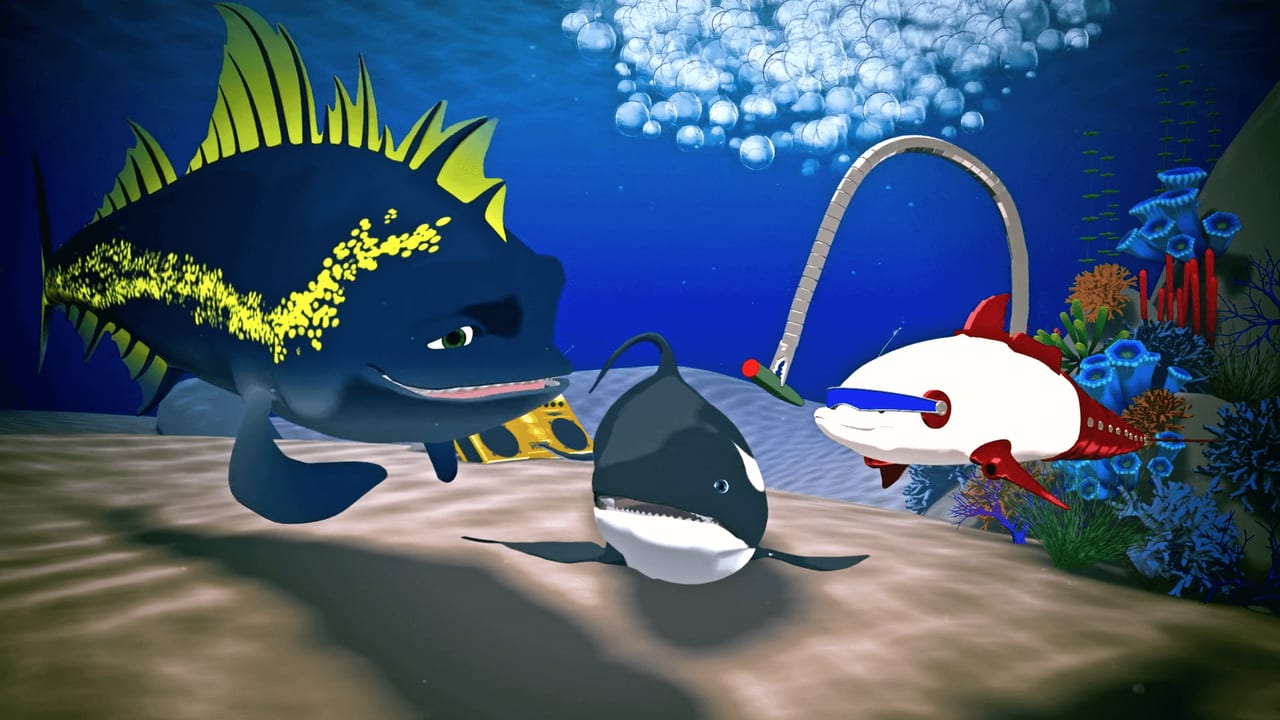
The edit transforms raw footage into a finished pilot that resonates with viewers. For Hook & Cook, pacing was key — blending the adrenaline of fishing with the calm artistry of cooking. The edit incorporated 3D fish graphics to enhance storytelling and used color grading to unify diverse shots from water to city streets. Audio engineering cleaned up ambient noise and balanced music with dialogue. Early collaboration with the client on brand guidelines, platform specs, and approval workflows ensured the final deliverables were on target and ready for broadcast and digital distribution.
How ECG Supports Pilot Episode Success
ECG Productions brings production and post-production expertise to pilot episodes like Hook & Cook. From pre-production planning and location scouting to split crew coordination and specialized audio capture, ECG helps avoid common pitfalls. In post, ECG shapes the story, polishes the finish, and prepares multiple versions tailored to broadcast and online platforms. Starting the conversation early with clear goals, existing assets, and deadlines allows ECG to recommend the right services and workflows — making your pilot episode not just finished, but successful.
FAQ
What are the key production challenges when shooting a pilot episode on location?
Location shoots often involve unpredictable elements like weather, ambient noise, and limited time. Managing crew workflows, capturing clean audio, and adapting lighting setups quickly are common challenges that require thorough planning and specialized equipment.
How can post-production enhance a pilot episode’s storytelling?
Post-production shapes pacing, structure, and tone through editing, color grading, sound design, and graphics. It also ensures the final video meets brand standards and platform specifications, helping the pilot connect with its intended audience effectively.
Why is early collaboration important between producers and post-production teams?
Early collaboration aligns expectations on story goals, footage quality, brand guidelines, and delivery specs. This prevents costly rework, streamlines approvals, and ensures the final product supports the intended message and distribution channels.
What should a team understand about Hook & Cook | Pilot Episode?
The useful takeaway is how audience, creative direction, production choices, post-production, approvals, and delivery needs shape the final video plan.
Where should this kind of project start?
Start with the goal, audience, deadline, where the finished piece needs to live, and the practical constraints that will affect creative and production decisions.
How can ECG help with the next step?
ECG can help connect the creative idea to production planning, filming, post-production, versioning, and delivery so the finished work fits the channel and the audience.