

In the past few years I have maintained an ever-growing addiction to indie comic content on Instagram. As you'd imagine, IG serves as a perfect platform for that kind of bite-sized content. These artists maintain a hectic release schedule and often resort to creating content that references their struggle to create content.
This month, I offer up my version of writer’s block comedy. Through this blog, I highlight a struggle I face not only in my writing, but in almost every aspect of my life. Imposter syndrome: this is my declaration to free myself of you.
What is Imposter Syndrome?

Imposter syndrome is a term that describes the persistent feeling that you're a fraud. And it's only a matter of time before everyone finds you out.
The term usually references creative work, but can be applied to any one of the myriad anxieties that keep people from being successful. For me, these feelings manifest themselves alongside my chronic fear of failure and my desperate need to be liked to form a special brand of monster.
Often times, I run into a wall in thinking that if I’m not immediately and verifiably successful at something, it isn’t worth doing. I often find myself hunting for excuses. I leave new projects undone because I’m scared of falling short of my peers' standards.
Where does Imposter Syndrome come into video production?
In production, it's easy to fall into the “Imposter Syndrome." A five minute scroll through social media will show you the sea of infinite success populated by those with more money, knowledge, and talent than you.
Media production is a highly complicated field that requires entire teams of talented people. When you’re just starting your career, it's difficult to find where you fit within those teams and what value you bring. And I know I'm not the only person who feels this way. But that doesn't ease the sting in the least.
I frequently work with a number of highly skilled professionals. Moreover, I also find myself thinking that I could never do the work they do or create at their level yet.
How to overcome Imposter Syndrome.
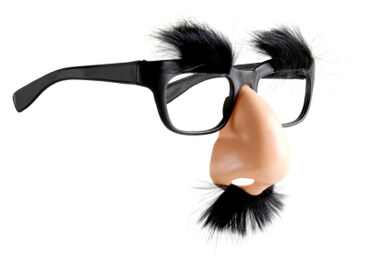
However, it is within that “yet" that I believe I'll find the cure for my imposter syndrome. I most assuredly lack the money. I currently lack the knowledge. And I might even be missing the talent of my production-hardened peers. But that by no means precludes me from getting there in my own time.
My writing may be trash, and the topic may be worthless. But I’ve got to get my reps in if I want to stand alongside the people that I respect and admire. Hopefully 2018 will be a year of strange and terrible personal content. I want to break free from the shackles of the “is this good?” mentality to create content that is without a doubt not that good...yet.