Music decides the emotional contract.
A brand video can look expensive and still feel wrong if the music fights the message. The track sets pace, tension, taste, confidence, and whether the viewer trusts the feeling the piece is asking them to have.
Strategy
Discover the practical differences between sound editing and mixing, the tools audio engineers use, and how expert collaboration elevates your video production.
 Written byJason SirotinPartner, Producer & Director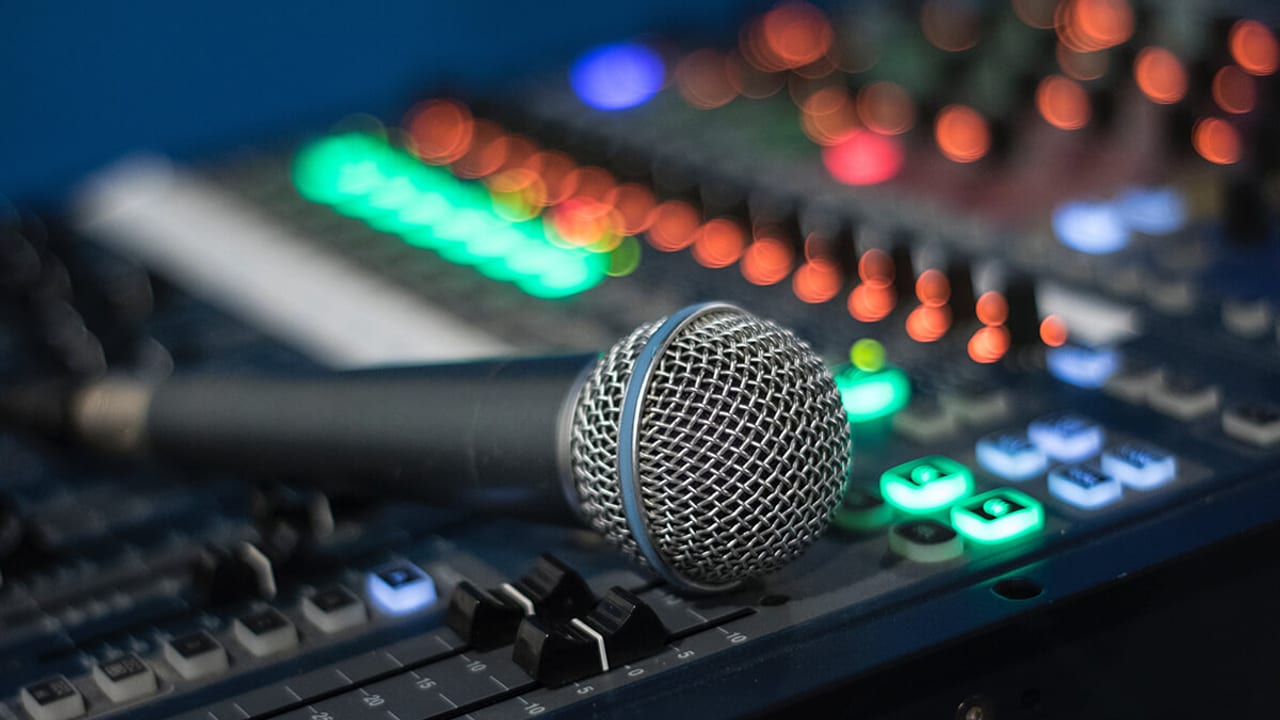
Strategy
Sound strategy for brand videos that need to feel right before they explain themselves.
Sound Strategy
The music under a brand video changes pace, memory, credibility, and emotional permission. The right choice depends on audience, edit rhythm, licensing, dialogue, campaign life, and how the piece needs to feel in the first few seconds.
A brand video can look expensive and still feel wrong if the music fights the message. The track sets pace, tension, taste, confidence, and whether the viewer trusts the feeling the piece is asking them to have.
Music choices should match the audience, usage rights, campaign life, edit rhythm, voiceover, and where the video will run. A temp track can help the edit move, but the final track has to be cleared, mixed, and shaped around the brand.
A stronger music conversation starts early: tone references, licensing limits, dialogue or VO needs, captions, platform behavior, cutdowns, and the intended feeling when someone watches with sound on or off.
Article
Discover the practical differences between sound editing and mixing, the tools audio engineers use, and how expert collaboration elevates your video production.
Help video producers and marketers understand key audio roles and decisions to improve sound quality and storytelling in their projects.
Sound is often the unsung hero of video production. It shapes how your audience feels long after the visuals fade. Understanding the roles of audio professionals helps you make smarter choices during pre-production and post. From capturing clean production audio on set to crafting immersive soundscapes in post, audio engineering ensures your story resonates with clarity and emotion.
Sound editing and sound mixing are two distinct but complementary phases of audio post-production. Sound editing is like gathering and selecting the best ingredients — editors sift through hundreds or thousands of audio elements, from dialogue and foley to ambient sounds, choosing what fits the scene’s mood and narrative. Sound mixing is the art of blending those ingredients — mixers balance levels, pan sounds in the stereo field, and polish effects to create a cohesive and immersive audio experience. Both require specialized skills and tools, and both are essential for professional-quality sound.
While basic sound edits can be made in video editing software like Adobe Premiere, professional audio engineers rely on dedicated digital audio workstations (DAWs) such as Avid Pro Tools. Pro Tools is the industry standard for sound editing and mixing, offering precision and flexibility that video editors’ tools lack. Other software like Adobe Audition exists but is less common in professional workflows. Investing in an experienced audio engineer familiar with these tools ensures your project benefits from expert sound design and mixing.
Audio engineers thrive on collaboration. Early involvement during pre-production and production phases allows them to advise on microphone placement, room acoustics, and recording techniques that save time and money in post. During post-production, open communication between directors, editors, and audio specialists sparks creative ideas that elevate the final mix. When everyone shares input, the sound design becomes an integral part of storytelling, not just an afterthought.
Audio production involves several specialized roles: the production sound mixer captures clean audio on set; the sound editor curates and assembles audio elements; the foley artist creates custom sound effects; and the re-recording mixer balances all audio layers into the final soundtrack. Understanding these roles helps you coordinate your team effectively and ensures every sonic detail supports your brand’s message.
Sound editing involves selecting and assembling audio elements like dialogue, effects, and ambient sounds. Sound mixing blends these elements together, balancing levels and spatial placement to create the final audio experience.
Pro Tools offers advanced editing and mixing capabilities tailored for professional audio workflows, making it the industry standard for film, TV, and commercial sound production.
Involving an audio engineer during pre-production ensures optimal sound capture strategies on set and smoother post-production, ultimately saving time and improving quality.
The useful takeaway is how audience, creative direction, production choices, post-production, approvals, and delivery needs shape the final video plan.
Start with the goal, audience, deadline, where the finished piece needs to live, and the practical constraints that will affect creative and production decisions.
ECG can help connect the creative idea to production planning, filming, post-production, versioning, and delivery so the finished work fits the channel and the audience.
Related ECG Portfolio Video
Use Delta MLB Player Recommendations as an ECG-produced reference for Understanding Audio Engineering: How Sound Editing and Mixing Shape Your Video. Compare the audience, tone, distribution plan, and production choices before turning the article into a creative brief.
Atlanta Braves · 34 seconds
Two Delta spots featuring Atlanta Braves second baseman Ozzie Albies and New York Yankees shortstop Didi Gregorius. A shared recommendation format brings out two different baseball personalities.
Visual Context
Articles perform better when readers can see what the thinking points toward. This visual break connects the topic to ECG production, post-production, real examples, and the next practical decision instead of leaving the page as a long read with no visual rhythm.
See related workArticle FAQ
These answers add practical context for the decisions that usually sit behind strategy work: scope, timing, creative direction, production approach, and what the finished piece needs to accomplish.
Sound editing involves selecting and assembling audio elements like dialogue, effects, and ambient sounds. Sound mixing blends these elements together, balancing levels and spatial placement to create the final audio experience.
Pro Tools offers advanced editing and mixing capabilities tailored for professional audio workflows, making it the industry standard for film, TV, and commercial sound production.
Involving an audio engineer during pre-production ensures optimal sound capture strategies on set and smoother post-production, ultimately saving time and improving quality.
The useful takeaway is how audience, creative direction, production choices, post-production, approvals, and delivery needs shape the final video plan.
Start with the goal, audience, deadline, where the finished piece needs to live, and the practical constraints that will affect creative and production decisions.
ECG can help connect the creative idea to production planning, filming, post-production, versioning, and delivery so the finished work fits the channel and the audience.
Next Step
When an article sounds like your project, compare the relevant service path and nearby work before you make a production decision.
Read Next
Production
Production
Podcast Recording: The Top 3 Tips For An Efficient Session is a production read about what needs to be planned, captured, protected, and handed to post so the finished piece has a real chance to work.
Read article
Post
Post
A practical look at how sound, pacing, tone, and post-production choices shape what the audience feels after the picture starts moving.
Read article
Strategy
Strategy
How to Prepare for a Video Interview in 10 Simple Steps is a strategy read for teams deciding who the video needs to reach, what it needs to say, where it will live, and what has to be clear before production dollars move.
Read article
Strategy
Strategy
Goodwill | Interview Tips is a strategy read for teams deciding who the video needs to reach, what it needs to say, where it will live, and what has to be clear before production dollars move.
Read articleKeep Exploring
Related services, examples, and deeper reads add context around the creative choices, production decisions, and tradeoffs behind this topic.
Services
These service paths show where the production, post, animation, or package conversation usually goes next.
Service
AI video creation support for teams that want to use generative tools responsibly without sacrificing strategy, production judgment, brand trust, or visual quality.
Open pageService
Animation and motion graphics for brands, agencies, and organizations that need complex ideas, products, data, processes, or brand moments made easier to understand.
Open pageService
Event video production for teams that need the story, energy, speakers, audience, and proof of a live moment captured for people who were not in the room.
Open pageService
Video Prompt Engineering from ECG Productions helps preview the idea, test the shape of the story, and make creative decisions easier to approve.
Open pageWork
These examples show what the service, article, or category can look like in finished work.
Branded Content
Eric Bellinger, Jane Handcock, and more: Hello My Name Is | Episode 3 is story-led brand work, which means the finished piece has to show more than polish. The impor...
Open pageBranded Content
Baby Tate, Symba, and more | Hello My Name Is... Episode 4 is story-led brand work, which means the finished piece has to show more than polish. The important read i...
Open pageBranded Content
Proudly Introducing: Hello My Name Is | Episodes 1 & 2 is story-led brand work, which means the finished piece has to show more than polish. The important read is ho...
Open pageRelated articles
These pieces add context around process, budget, creative choices, common mistakes, and what to ask next.
Post
A post-production read on EDITING ON SHIFTING SANDS OR: How I Learned To Stop Worrying and Love Premiere, covering the edit, sound, color, graphics, delivery, and re...
Open pageStrategy
Social Media Live Streaming Strategy: How to Plan, Promote & Produce Like a Pro is a strategy read for teams deciding who the video needs to reach, what it needs to...
Open pagePost
A post-production read on AI in Video Editing: Will Video Editing be Replaced by AI, covering the edit, sound, color, graphics, delivery, and review choices that sha...
Open pagePost
A post-production read on Unveiling the Best Video Editing Keyboards for Enhanced Workflow, covering the edit, sound, color, graphics, delivery, and review choices t...
Open pageNext step
When this starts to sound like your situation, bring ECG the goal and the constraints.
Share This Article
Share the article, project, or service page with a teammate, client, producer, or stakeholder who needs the context before the next decision.