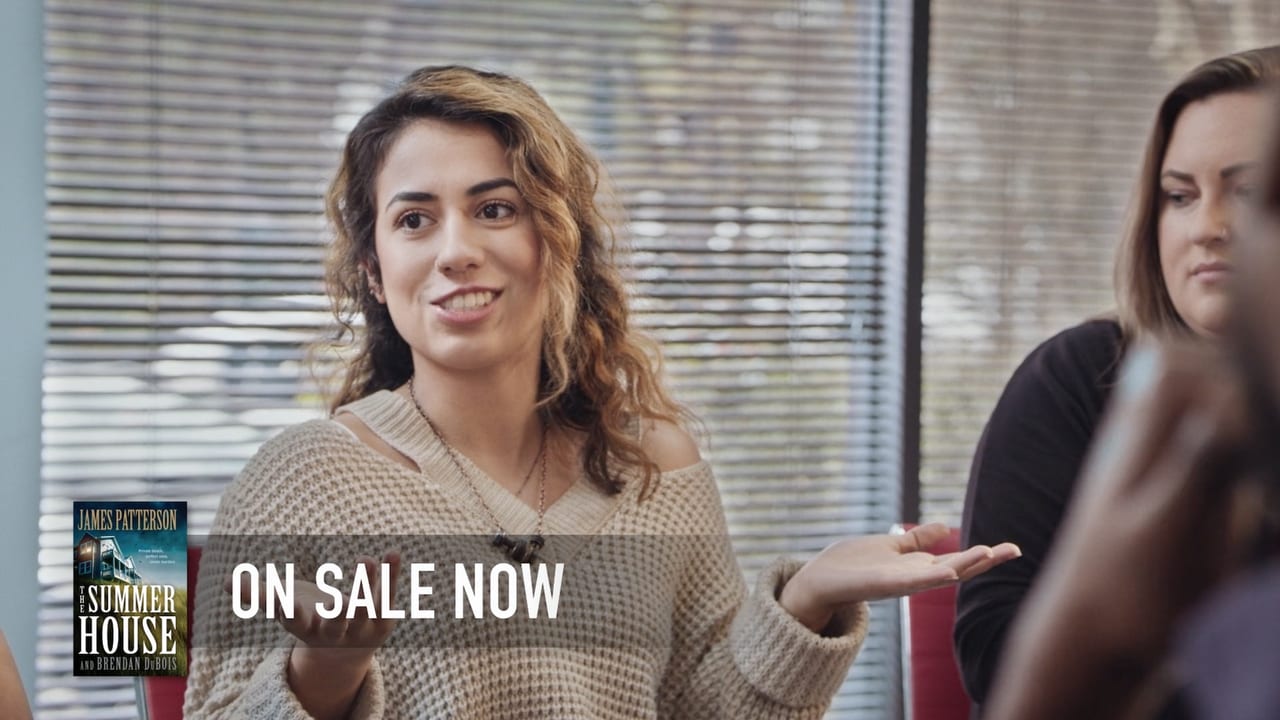
Explore practical production lessons from the James Patterson | The Defense Lawyer trailer. Learn how to plan, produce, and deliver marketing videos that truly engage audiences.
Help readers decide how to plan and produce effective marketing videos that connect audience, message, and distribution.
Why Marketing Videos Need a Clear Production Strategy
Marketing videos like the trailer for James Patterson’s The Defense Lawyer prove that capturing attention fast is non-negotiable. The video’s success comes from aligning the story, visuals, pacing, and distribution with a clear goal: making viewers care immediately. Production teams must think beyond the final file and consider how every element—from interviews to graphics and voiceover—works together to engage the audience and drive action.
Planning Multiple Versions Before the Shoot
One key production insight from this project is the importance of planning multiple video versions before the shoot. The Defense Lawyer trailer required hero videos, 15- and 30-second cutdowns, vertical crops for social, captioned versions, and thumbnails. Anticipating these needs early ensures efficient shooting and editing, saving time and budget. It also guarantees the final assets fit perfectly across platforms and campaign touchpoints.
The Role of Post-Production in Shaping Impact
Post-production shaped the trailer’s spine-chilling excitement through precise editing, color grading, and sound design. Editors Luis Cuevas and Jon Hall balanced pacing to maintain suspense, while Animation Director Seth Johnson’s graphics added visual proof that reinforced the book’s thrilling tone. Voiceover by Trey Gregory tied the elements together, demonstrating how post-production crafts the emotional rhythm and polish that make marketing videos memorable.
Practical Questions to Guide Your Video Production
Before production begins, answer these practical questions: Who needs to care about this video? What do they already know? What must the video prove? Where will it be watched? Who approves it? What defines success beyond just finishing the piece? These guideposts help production teams prioritize resources, shape creative decisions, and avoid costly revisions.
How ECG Supports Smarter Video Production
ECG Productions connects creative development, production, post, and delivery to your distribution strategy. We help you start with branded content goals, compare video marketing support options, and use portfolio examples to nail tone and style. Sharing references with notes on pacing, tone, and visual polish helps us understand your target quickly. Starting your project with clear goals, audience definition, deadlines, and brand guidelines lets us design the right production plan without guesswork.
FAQ
Why is planning multiple video versions important?
Planning multiple versions before the shoot ensures the final videos fit different platforms and campaign needs without costly reshoots or edits. It streamlines production and maximizes your content’s reach.
How does post-production influence a marketing video’s effectiveness?
Post-production shapes pacing, color, sound, and graphics to create emotional impact and clarity. It transforms raw footage into a polished story that resonates with viewers and drives engagement.
What practical questions should I answer before starting video production?
Identify your target audience, what they know, the video’s core message, viewing platforms, approval process, and success criteria. These answers guide creative and logistical decisions throughout production.
What should a team understand about James Patterson | The Defense Lawyer?
The useful takeaway is how audience, creative direction, production choices, post-production, approvals, and delivery needs shape the final video plan.
Where should this kind of project start?
Start with the goal, audience, deadline, where the finished piece needs to live, and the practical constraints that will affect creative and production decisions.
How can ECG help with the next step?
ECG can help connect the creative idea to production planning, filming, post-production, versioning, and delivery so the finished work fits the channel and the audience.