Discover how to select fast, secure data upload services and cloud storage solutions that keep your video production files safe, accessible, and ready for post-production.
Help video producers and marketers decide on the best data upload and cloud storage solutions to streamline file transfer and protect their content.
Why Data Upload Strategy Matters in Video Production
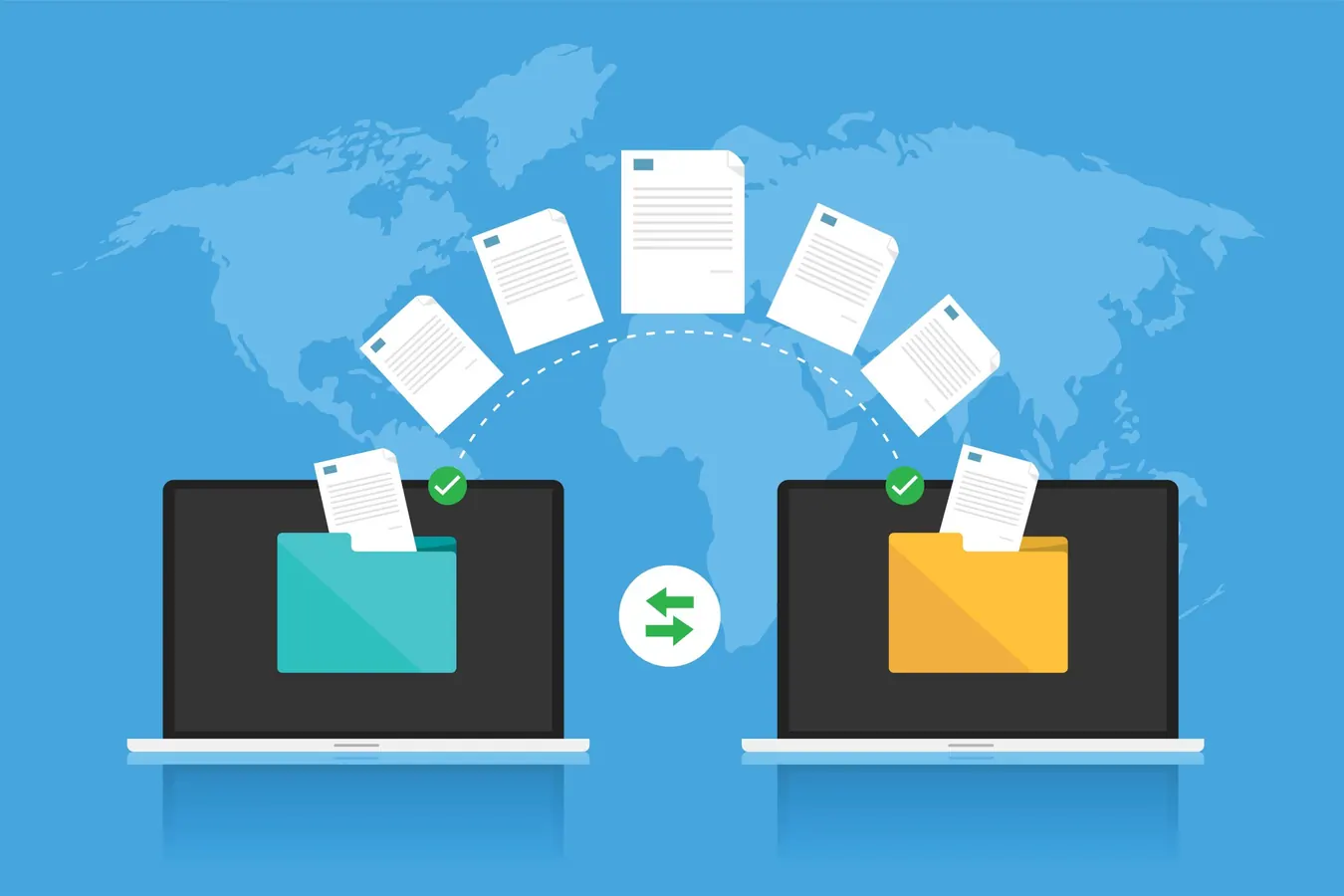
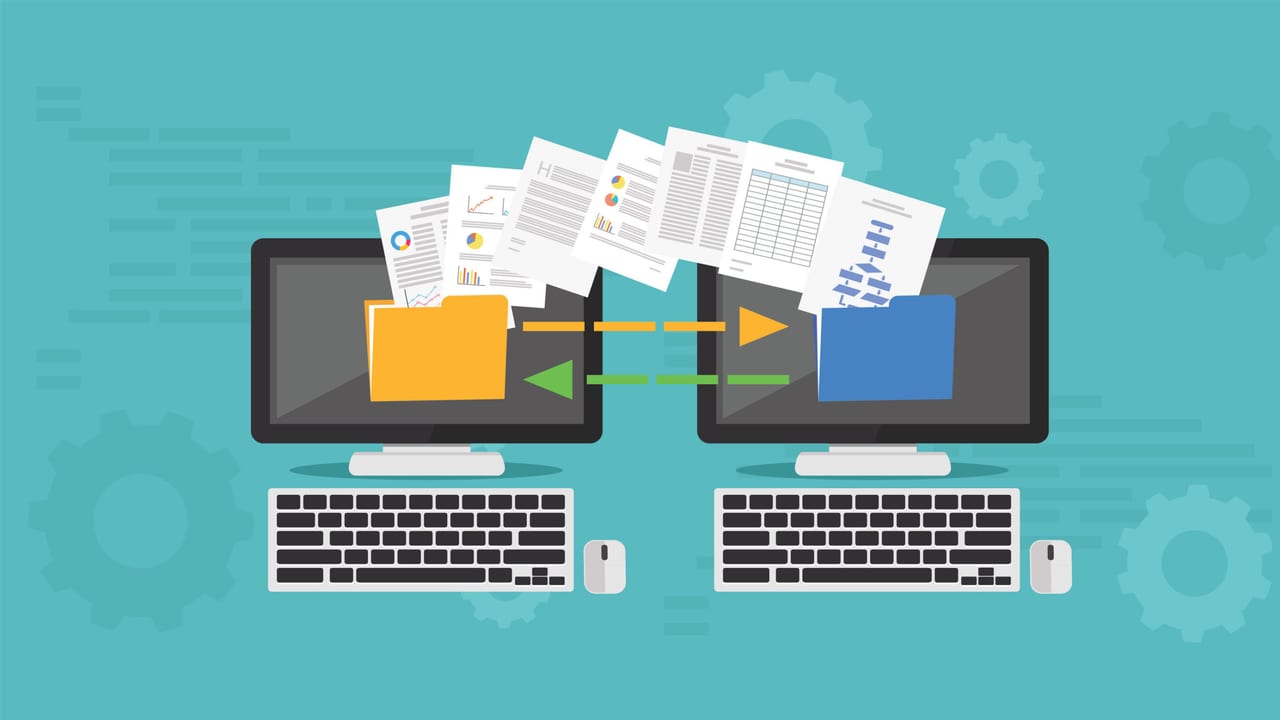
In video production, moving data isn’t just about speed—it’s about precision, security, and workflow continuity. Whether you’re sending raw footage from set to post, sharing edits with clients, or archiving final masters, the right data upload strategy ensures your files arrive intact and accessible. Planning your data transfer means considering internet speed, file size, security protocols, and post-production needs before you hit upload.
Speed and Reliability: The Backbone of Data Upload Services
Fast, reliable internet is non-negotiable when handling large video files. At ECG Productions, our gigabit fiber connection and dedicated upload monitoring prevent bottlenecks and data corruption. But speed alone isn’t enough; you need a service that offers consistent uptime, error checking, and easy recovery options. Choosing a provider that understands video workflows means fewer delays and smoother handoffs to editors and colorists.
Top Cloud Storage Options for Video Teams
Once your files are uploaded, where they live matters. Google Drive offers seamless collaboration and real-time sync, ideal for teams working on scripts, graphics, and smaller video assets. Dropbox shines with its cross-platform support and high transfer limits, making it a favorite for social clips and quick turnarounds. For larger files or specialized needs, WeTransfer’s simple link-sharing and tracking features or pCloud’s version control and encryption provide added layers of security and flexibility. Each platform has strengths—matching them to your project’s size, security, and collaboration needs is key.
Security and Access Control: Protecting Your Project’s Integrity
Video projects often contain sensitive content or unreleased material. Encryption during transfer and storage protects against breaches. Services like Koofr and pCloud use TLS/SSL encryption and offer granular access controls to restrict who can view or download files. Password-protected links, expiration dates, and team management features ensure that only authorized collaborators can access your work, safeguarding your intellectual property throughout production and distribution.
Integrating Data Upload into Your Production Workflow
Data upload isn’t a one-off task; it’s part of a larger production ecosystem. Coordinating with your production schedule, post team, and client approvals means setting clear protocols for file naming, versioning, and transfer deadlines. Using platforms that integrate with editing software or project management tools can save time and reduce errors. Planning your upload and storage strategy in pre-production ensures every stage—from capture to delivery—flows without data headaches.
FAQ
What is the best way to transfer large video files securely?
Using a data upload service with strong encryption protocols like TLS/SSL, combined with password-protected links and access controls, ensures secure transfer of large video files.
How do I choose between Google Drive, Dropbox, and WeTransfer?
Consider your file sizes, collaboration needs, and security requirements. Google Drive excels at real-time collaboration, Dropbox offers high transfer limits and cross-platform support, and WeTransfer is ideal for quick, large file transfers with simple tracking.
Can cloud storage services handle multiple versions of video projects?
Yes, platforms like pCloud offer version control features that store separate versions of files for a set period, helping teams manage edits without confusion.
What should a team understand about Putting Data Within Reach?
The useful takeaway is how audience, creative direction, production choices, post-production, approvals, and delivery needs shape the final video plan.
Where should this kind of project start?
Start with the goal, audience, deadline, where the finished piece needs to live, and the practical constraints that will affect creative and production decisions.
How can ECG help with the next step?
ECG can help connect the creative idea to production planning, filming, post-production, versioning, and delivery so the finished work fits the channel and the audience.