ECG Productions
Work

Television

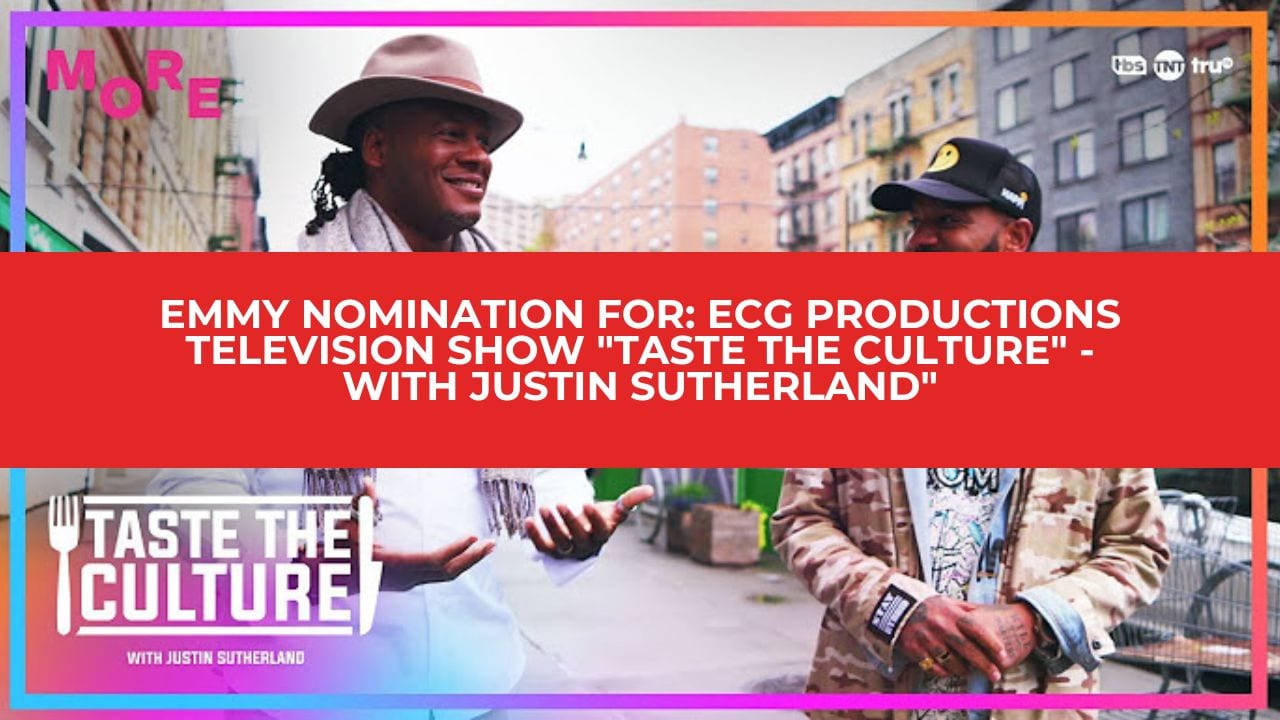
Taste the Culture | Ep.2 - Higher Hog Education

Explore the production choices behind Taste the Culture Ep.2 at High Hog Farm, where storytelling meets authentic farming, fiber, and Black agrarian history. Learn how ECG crafts

Portfolio ProjectTelevisionOct 2022

Project Write-Up

Taste the Culture | Ep.2 - Higher Hog Education

In Taste the Culture's second episode, we visit High Hog Farm for a lesson in food, fiber, culture, & community.

Justin Sutherland is a chef, an author, and a TV host & personality. What he isn't – at least, not so far as any of us knew beforehand – is a farmer. That's partly what made this episode so special: it took us somewhere unexpected and showcased an amazing story. After all, who doesn't love it when a host gets taken out of their comfort zone?

Enter: Keisha and Warren Cameron of High Hog Farm. Located about an hour outside of Atlanta, the Camerons are largely self-sufficient on their farm. However, their primary focus these days is on fiber production; we're talking wool, indigo, and even cotton. And while that might seem innocuous enough, the long – and frequently painful – history Black Americans have with these crops means the decision to farm them isn't one to be taken lightly. The incredible wealth of knowledge Keisha has obtained over the years, as well as an intense love and respect for the land itself, led her down this path. Now, she and Warren use High Hog Farm to teach others about Black agrarianism – and what teachers they are!

On the Farm

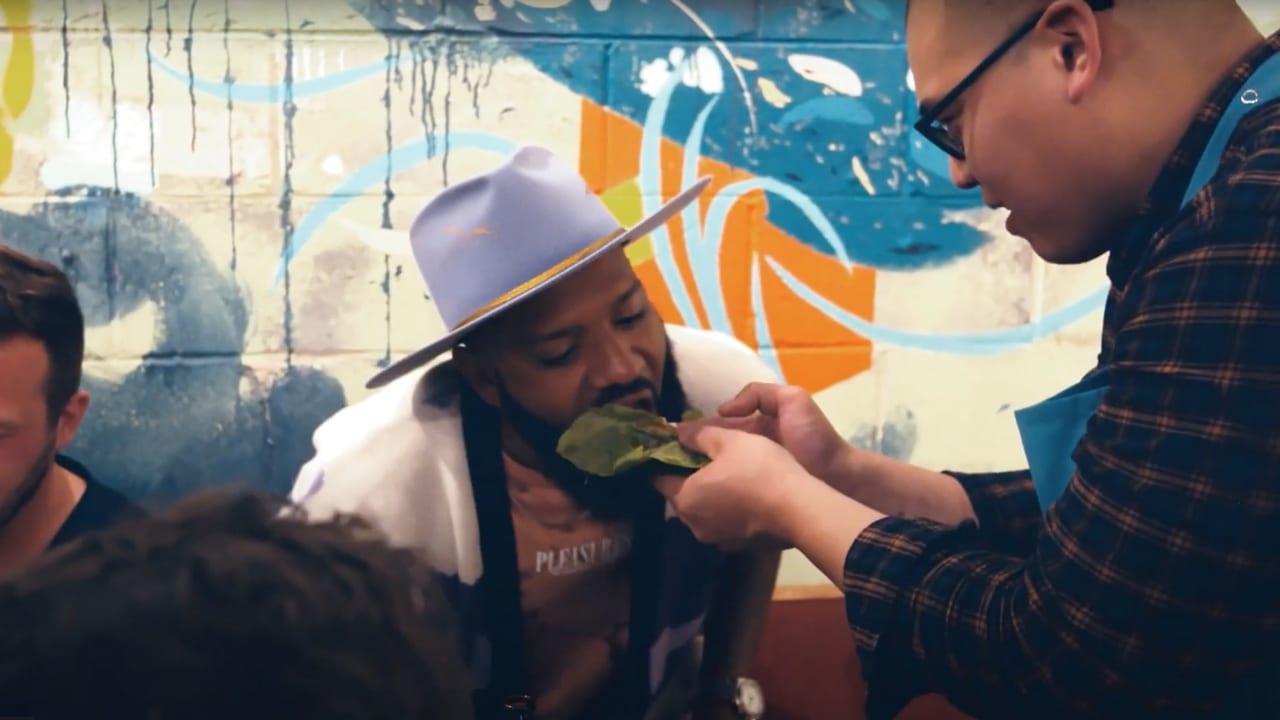
Justin got an early start on his day with the Camerons, because that's what farmers do! Our 2-camera team worked hard to follow the trio everywhere they went, from greeting the High Hog Farm dogs, Marshall and Deacon, to feeding the sheep and chickens, to helping Keisha harvest indigo. It was fun to see Justin really get his hands dirty, and he had a blast doing it. All the while, the rest of the crew trailed behind, reveling in the farm's beauty, and trying to hear as much of what Keisha had to say as possible. The biggest surprise: High Hog Farm has no pigs!

After the tour was over and the chores complete, Justin sat down with the Camerons for an in-depth discussion. The long wooden table and beautiful kitchen made for one of our favorite interview setups on the show. DP Trey Gregory and Camera Ops Alesso Graci, Haley Fusia, and Sebastian Chamaca worked quickly to pull it together as our time was running tight and 1st AD Cameron Shaw loomed over them. Once the stage was set, Director & Showrunner Jordan Nowlin helped guide an earnest and enlightening conversation on the Camerons' personal journey into farming and teaching, as well as the social implications of the work done at High Hog.

Bringing Home the Fiber (It's More Interesting Than Bacon)

When the episode entered the editing phase, Lead Editor Cameron Shaw employed a non-linear style, using portions of the interview to break up the tour and provide context for those conversations. It was a balancing act to make High Hog Farm's episode work as an individual piece, but also keep it within the confines established by the other, more linear episodes. 

The last steps were our color grade and sound mix. Alesso Graci and Haley Fusia tag-teamed the color, overcoming some of the significant hurdles that run-and-gun shooting can sometimes produce. Audio Engineer Matt Harriott not only made everyone sound good, but also recreated an entire farm soundscape to lay underneath conversations and broll. What emerged was one of our most intelligent, hard-hitting, and profoundly human episodes to-date.
Project Story

Explore the production choices behind Taste the Culture Ep.2 at High Hog Farm, where storytelling meets authentic farming, fiber, and Black agrarian history. Learn how ECG crafts

Help video producers and marketers understand the practical production decisions that shaped Taste the Culture Ep.2 at High Hog Farm and how to apply similar strategies to their own documentary projects.

Taking Production Off the Beaten Path: Why High Hog Farm Matters

Taste the Culture’s second episode breaks from typical food and lifestyle content by spotlighting High Hog Farm, a working farm focused on fiber crops like wool, indigo, and cotton. This choice wasn’t just about location—it was a strategic production decision to tell a story rich in cultural history and personal journey. For producers, selecting a setting that challenges the host and reveals unexpected layers can elevate a project from standard to memorable. Here, the farm’s unique story about Black agrarianism adds depth that resonates beyond visuals, demanding thoughtful production planning to capture both environment and emotion.

Pre-Production Planning: Balancing Access, Authenticity, and Story

Before cameras rolled, the ECG team worked closely with High Hog Farm’s Keisha and Warren Cameron to understand their story and daily rhythms. This informed a flexible shooting schedule that allowed the crew to follow natural farm activities—from feeding animals to harvesting indigo—while respecting the farm’s pace. Planning for a 2-camera setup enabled capturing candid moments alongside interview segments without disrupting the environment. Producers should prioritize relationship-building in pre-production to gain trust, enabling authentic access that translates into richer footage.

On-Location Production: Capturing Texture and Atmosphere

Shooting on a working farm presents challenges like unpredictable lighting, ambient noise, and movement. The ECG crew’s run-and-gun approach required nimble camera operation and quick lighting adjustments. Their use of multiple operators ensured coverage of both the host’s interactions and the farm’s details—like the wool and indigo plants—creating visual texture. The choice of a warm, natural color palette during filming laid the groundwork for a later color grade that enhanced the farm’s earthy tones. Production teams should prepare for environmental variables and plan for versatile gear and crew roles.

Editing with Purpose: Non-Linear Storytelling to Weave Context and Emotion

Lead Editor Cameron Shaw employed a non-linear editing style, weaving interview excerpts throughout the farm tour footage. This approach deepened audience understanding by breaking up visual sequences with personal insights from the Camerons, maintaining engagement and pacing. Editors working on documentary content can benefit from this technique to balance exposition and action, especially when the story involves complex cultural themes. Collaborating closely with the director ensures the final cut honors both narrative clarity and emotional resonance.

Post-Production Sound and Color: Crafting an Immersive Experience

Post-production elevated the episode’s sensory impact. Colorists Alesso Graci and Haley Fusia tackled the challenges of varied outdoor lighting to create a consistent, warm look that reflects the farm’s natural beauty. Meanwhile, Audio Engineer Matt Harriott designed a layered soundscape, blending ambient farm sounds with clear dialogue to immerse viewers in the environment. These finishing touches are critical for documentary projects aiming to transport audiences and underscore storytelling themes. Producers should allocate sufficient resources and time for meticulous color grading and sound mixing.

FAQ

How do you plan a documentary shoot on a working farm?

Planning involves building trust with the farm owners, understanding their daily routines, and scheduling shoots that minimize disruption. Using multiple cameras and flexible crew roles helps capture authentic moments while adapting to environmental challenges.

What are the benefits of non-linear editing in documentary storytelling?

Non-linear editing allows editors to intersperse interviews with b-roll footage, creating a dynamic narrative flow that enhances context and emotional engagement. It helps balance exposition with visual storytelling.

How does sound design contribute to a documentary’s impact?

Sound design layers ambient noises, dialogue clarity, and music to immerse viewers in the setting and mood. For outdoor shoots like farms, recreating or enhancing natural soundscapes supports authenticity and emotional connection.

What should a team understand about Taste the Culture | Ep.2 - Higher Hog Education?

The useful takeaway is how audience, creative direction, production choices, post-production, approvals, and delivery needs shape the final video plan.

Where should this kind of project start?

Start with the goal, audience, deadline, where the finished piece needs to live, and the practical constraints that will affect creative and production decisions.

How can ECG help with the next step?

ECG can help connect the creative idea to production planning, filming, post-production, versioning, and delivery so the finished work fits the channel and the audience.

Project Story

Taste the Culture | Ep.2 - Higher Hog Education is about the story behind the work.

Taste the Culture | Ep.2 - Higher Hog Education works best as a real production reference when the page makes the audience, purpose, production choices, and final use case easy to understand. The value is not the category label; it is the story of why this kind of work exists and what a client can learn from it.

Story Read

Make the television feel specific.

Series work has to balance repeatable structure with enough character, pace, and conflict to keep people watching.

Production Reality

Protect the choices that shape the result.

The finished work shows how the project handles attention. The important read is how concept, production, post, versions, and distribution come together around a real audience.

Where It Leads

Start with the context behind the ask.

For a similar conversation, start with the audience, deliverables, where the finished video has to work, and how Television Show Production connects to the story the brand or client is trying to tell.

Project Context

What this format proves about repeatable story structure.

Taste the Culture | Ep.2 - Higher Hog Education shows the practical choices behind the work: audience, format, pacing, production value, finish, and the places a similar piece would need to live after launch.

Creative Read

Taste the Culture | Ep.2 - Higher Hog Education grounds the television lane in finished work instead of a broad claim about capability.

Production Read

The useful project story names the client, audience, tone, capture or animation approach, crew or design system, finishing needs, rights considerations, and where the final piece needed to live.

Next Step

For nearby television work, the practical story is how creative direction, production, edit, color, sound, delivery versions, and approval details shaped the finished result.

More Work In This Lane

Browse examples with similar audience, format, or production demands.

These categories show nearby ECG work by format, audience, style, and production need, so the project sits in a wider story instead of standing alone.

Related Services

Turn the reference into a production plan.

These services connect the finished example to the practical choices your own project needs: creative development, production, post, animation, delivery, versions, and launch support.

Project Questions

What to know about this kind of work.

A few practical notes about what the project shows, why it matters, and where a conversation with ECG would usually start.

Can ECG make something similar to Taste the Culture | Ep.2 - Higher Hog Education?

Yes. A project in this lane usually starts with the audience, deadline, deliverables, locations, talent, approvals, and final use. Once those pieces are clear, ECG can shape the right production or post-production path.

What does this project show?

The finished piece shows the audience, pacing, production value, brand presence, format, and the job the work needed to do. Those details matter more than style alone.

Where would a conversation with ECG start?

Television Show Production is the best starting point for this reference. From there, ECG can connect the work to pre-production, production, post-production, animation, versioning, and launch support as needed.

Nearby Work

Keep browsing similar ECG projects.

Sell Out | Pilot documentary or television frame showing finished ECG production work.

Television

Sell Out | Pilot

Sell Out | Pilot points to television or unscripted work where structure matters as much as the moment. It makes the format, characters, episode rhythm, production logistics, post path, and repeatable delivery needs easier to understand.

Feb 2016

Open project
Paleo Bites | Sizzle Reel documentary or television frame showing finished ECG production work.

Television

Paleo Bites | Sizzle Reel

Paleo Bites | Sizzle Reel points to television or unscripted work where structure matters as much as the moment. It makes the format, characters, episode rhythm, production logistics, post path, and repeatable delivery needs easier to understand.

Dec 2015

Open project
Frank Morning Show | Radio Commercial commercial or campaign video frame showing brand, product, or promotional storytelling.

Television

Frank Morning Show | Radio Commercial

Frank Morning Show | Radio Commercial points to television or unscripted work where structure matters as much as the moment. It makes the format, characters, episode rhythm, production logistics, post path, and repeatable delivery needs easier to understand.

Mar 2015

Open project
Forbes Luxe 11 - Open documentary or television frame showing finished ECG production work.

Television

Forbes Luxe 11 - Open

Forbes Luxe 11 - Open points to television or unscripted work where structure matters as much as the moment. It makes the format, characters, episode rhythm, production logistics, post path, and repeatable delivery needs easier to understand.

Dec 2009

Open project
21 Show - Open documentary or television frame showing finished ECG production work.

Television

21 Show - Open

21 Show - Open points to television or unscripted work where structure matters as much as the moment. It makes the format, characters, episode rhythm, production logistics, post path, and repeatable delivery needs easier to understand.

Dec 2009

Open project
CITY LIGHTS MEDIA | TRAVEL CHANNEL - "21" documentary or television frame showing finished ECG production work.

Television

CITY LIGHTS MEDIA | TRAVEL CHANNEL - "21"

CITY LIGHTS MEDIA | TRAVEL CHANNEL - "21" points to television or unscripted work where structure matters as much as the moment. It makes the format, characters, episode rhythm, production logistics, post path, and repeatable delivery needs easier to understand.

Dec 2009

Open project

Keep Exploring

More ECG pages connected to Taste the Culture | Ep.2 - Higher Hog Education.

Project pages connect the finished work to the services, related articles, and nearby examples that explain the craft and planning behind similar production needs.

Next step

Ready to talk through the project?

When this starts to sound like your situation, bring ECG the goal and the constraints.

Share This Project

Send this work to someone comparing production examples.

Share the article, project, or service page with a teammate, client, producer, or stakeholder who needs the context before the next decision.