ECG Productions
ECG Blog

Production

3 Essential Steps to Master Data Transfer Services for Video Production

Discover practical, production-tested steps to securely and efficiently transfer your video data using modern services like cloud platforms and direct connections.

Updated Jun 28, 20263 min readProduction
3 Big Steps For Making Data Transfer Services Work For You article image showing ECG Productions crew, cameras, or on-set production work.

Production

Production context from the work that happens before, during, and after the shoot.

Production Context

See the planning choices behind a stronger shoot.

A stronger shoot starts with the real production variables: what has to be captured, what can go wrong, what the edit will need, and how the crew keeps the day moving toward the finished piece.

The real value is in what the shoot protects.

Behind-the-scenes and production articles are useful because they reveal planning, crew decisions, location realities, sound, lighting, schedule pressure, and the practical choices that make the final piece possible.

Better production questions start here.

If you are planning a similar shoot, ask what has to be captured, what can go wrong, what the edit needs, who has approval, and what the crew must know before the day starts.

Look for the handoff into post.

Strong production is not finished when the shoot wraps. The footage, notes, sound, continuity, and media workflow need to give post-production enough room to shape the final piece.

Article

Discover practical, production-tested steps to securely and efficiently transfer your video data using modern services like cloud platforms and direct connections.

Help video producers and marketers make informed decisions about planning, protecting, and executing data transfers for seamless post-production workflows.

Why Planning Your Data Transfer Is a Production Must

In video production, your footage is the lifeblood of the project. Transferring raw data from set to post isn’t just about moving files—it’s about preserving quality, maintaining security, and keeping your schedule intact. Before you pick a data transfer method, consider your entire production pipeline: What’s the file size? How urgent is the delivery? Who needs access and where? Understanding these factors upfront helps you choose a transfer service that fits your workflow, protects your content, and avoids costly delays.

Step 1: Back Up Your Data Before Transfer

Backing up your footage is non-negotiable. Whether you’re shooting on location or in studio, always create a secure copy of your files before initiating any transfer. This backup can live on a physical device like an external SSD or in a reliable cloud storage service. Think of it as your safety net—if a file gets corrupted during transfer or lost in transit, your backup ensures you’re never starting from scratch. At ECG, we recommend redundant backups and checksum verification to guarantee file integrity before handing off to post.

Step 2: Choose the Right Data Transfer Service for Your Needs

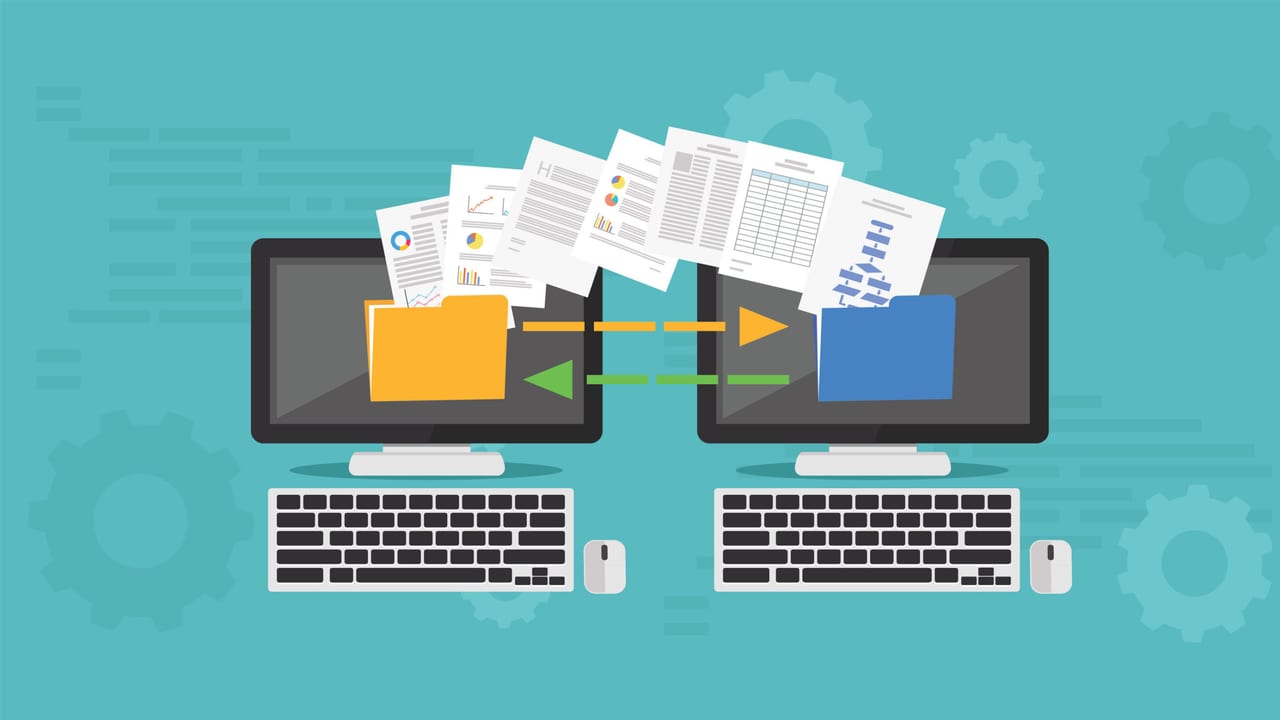
Today’s data transfer options range from cloud-based platforms to direct cable connections, each with pros and cons depending on your production context. Cloud services like Dropbox and OneDrive offer global accessibility without the need for physical media. They’re ideal for remote teams or when distance is a factor, but large files can take time to upload and download, so plan accordingly. Alternatively, direct data transfer cables or external drives provide faster speeds for local transfers but require physical proximity and manual handling. Your choice should reflect your project’s size, timeline, and security requirements.

Step 3: Prioritize Speed and Security in Transfer Execution

Speed matters, but so does security. A gigabit fiber connection can dramatically reduce transfer times, especially for high-resolution video files. However, even the fastest connection won’t help if your hardware is outdated or your internet is unstable. Make sure your equipment and network support the speeds you need. On the security front, use encrypted transfer protocols and password-protected cloud folders to safeguard your footage. At ECG, we monitor transfers in real time to catch and resolve issues immediately, ensuring your data arrives intact and on schedule.

Partnering with ECG for Reliable Data Transfers

ECG Productions offers a premium data transfer service tailored for video production demands. Our gigabit fiber network, combined with vigilant monitoring and expert handling, ensures your footage moves swiftly and securely from set to post. We understand the nuances of production workflows and provide personalized support to keep your project on track. Ready to streamline your data transfers? Explore our services or contact us to discuss your next project’s needs.

FAQ

What’s the best way to back up video footage before transfer?

The safest approach is to create redundant backups on both a physical device, like an external SSD, and a secure cloud storage platform. This dual strategy protects against hardware failure and data corruption during transfer.

How do I decide between cloud transfer and direct cable for my files?

Choose cloud transfer if your team is distributed or you need remote access, but budget extra time for upload/download. Use direct cable or external drives for faster local transfers when physical proximity is possible.

How can I ensure my data transfer is secure?

Use encrypted transfer methods, password-protected cloud folders, and work with providers who actively monitor transfers to quickly address any issues. Avoid public or unsecured networks during transfer.

What should a team understand about 3 Big Steps For Making Data Transfer Services Work For You?

The useful takeaway is how audience, creative direction, production choices, post-production, approvals, and delivery needs shape the final video plan.

Where should this kind of project start?

Start with the goal, audience, deadline, where the finished piece needs to live, and the practical constraints that will affect creative and production decisions.

How can ECG help with the next step?

ECG can help connect the creative idea to production planning, filming, post-production, versioning, and delivery so the finished work fits the channel and the audience.


Related ECG Portfolio Video

See the article idea in finished ECG work.

Use Source Digital | Company Overview as an ECG-produced reference for 3 Essential Steps to Master Data Transfer Services for Video Production. Compare the audience, tone, distribution plan, and production choices before turning the article into a creative brief.

VimeoCorporateRelated Branded Content workBrand storytelling fit
Open the project

Vimeo

Source Digital | Company Overview

A company overview for Source Digital, built to explain an interactive video platform, its monetization promise, and its business value without letting the technology story turn into buzzword soup.

Visual Context

Connect the article to the kind of work people can actually picture.

Articles perform better when readers can see what the thinking points toward. This visual break connects the topic to ECG production, post-production, real examples, and the next practical decision instead of leaving the page as a long read with no visual rhythm.

See related work

Article FAQ

Practical answers for the production decision.

These answers add practical context for the decisions that usually sit behind production work: scope, timing, creative direction, production approach, and what the finished piece needs to accomplish.

What’s the best way to back up video footage before transfer?

The safest approach is to create redundant backups on both a physical device, like an external SSD, and a secure cloud storage platform. This dual strategy protects against hardware failure and data corruption during transfer.

How do I decide between cloud transfer and direct cable for my files?

Choose cloud transfer if your team is distributed or you need remote access, but budget extra time for upload/download. Use direct cable or external drives for faster local transfers when physical proximity is possible.

How can I ensure my data transfer is secure?

Use encrypted transfer methods, password-protected cloud folders, and work with providers who actively monitor transfers to quickly address any issues. Avoid public or unsecured networks during transfer.

What should a team understand about 3 Big Steps For Making Data Transfer Services Work For You?

The useful takeaway is how audience, creative direction, production choices, post-production, approvals, and delivery needs shape the final video plan.

Where should this kind of project start?

Start with the goal, audience, deadline, where the finished piece needs to live, and the practical constraints that will affect creative and production decisions.

How can ECG help with the next step?

ECG can help connect the creative idea to production planning, filming, post-production, versioning, and delivery so the finished work fits the channel and the audience.
Next Step

Connect the article to ECG services and work.

When an article sounds like your project, compare the relevant service path and nearby work before you make a production decision.

Keep Exploring

More ECG pages related to 3 Essential Steps to Master Data Transfer Services for Video Production.

Related services, examples, and deeper reads add context around the creative choices, production decisions, and tradeoffs behind this topic.

Next step

Ready to talk through the project?

When this starts to sound like your situation, bring ECG the goal and the constraints.

Share This Article

Send this read to the team before the next production call.

Share the article, project, or service page with a teammate, client, producer, or stakeholder who needs the context before the next decision.