Music decides the emotional contract.
A brand video can look expensive and still feel wrong if the music fights the message. The track sets pace, tension, taste, confidence, and whether the viewer trusts the feeling the piece is asking them to have.
Strategy
Discover five practical, production-tested lessons from music video shoots that help you plan, delegate, schedule, and shoot smarter for flawless results.
 Written byTrey GregoryPartner, Director of Photography & Animator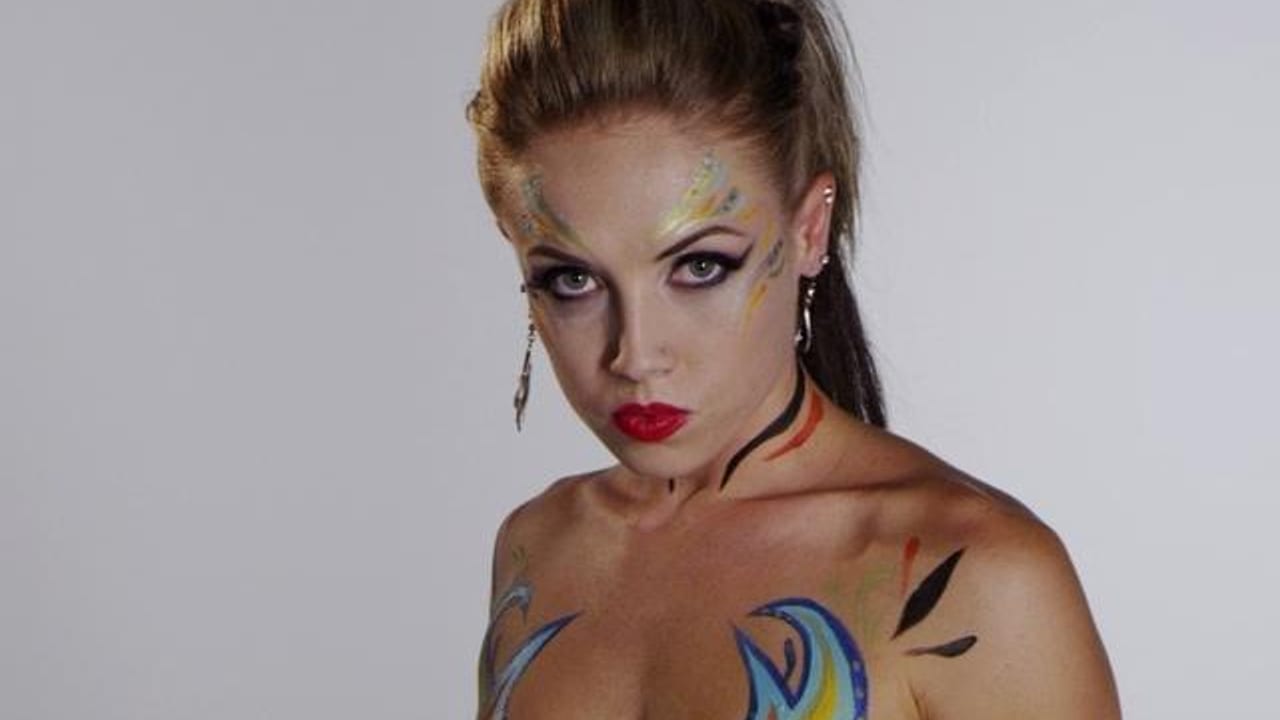
Strategy
Sound strategy for brand videos that need to feel right before they explain themselves.
Sound Strategy
The music under a brand video changes pace, memory, credibility, and emotional permission. The right choice depends on audience, edit rhythm, licensing, dialogue, campaign life, and how the piece needs to feel in the first few seconds.
A brand video can look expensive and still feel wrong if the music fights the message. The track sets pace, tension, taste, confidence, and whether the viewer trusts the feeling the piece is asking them to have.
Music choices should match the audience, usage rights, campaign life, edit rhythm, voiceover, and where the video will run. A temp track can help the edit move, but the final track has to be cleared, mixed, and shaped around the brand.
A stronger music conversation starts early: tone references, licensing limits, dialogue or VO needs, captions, platform behavior, cutdowns, and the intended feeling when someone watches with sound on or off.
Article
Discover five practical, production-tested lessons from music video shoots that help you plan, delegate, schedule, and shoot smarter for flawless results.
Help readers make smarter production decisions by sharing five key lessons learned from producing music videos that improve planning, execution, and post-production.
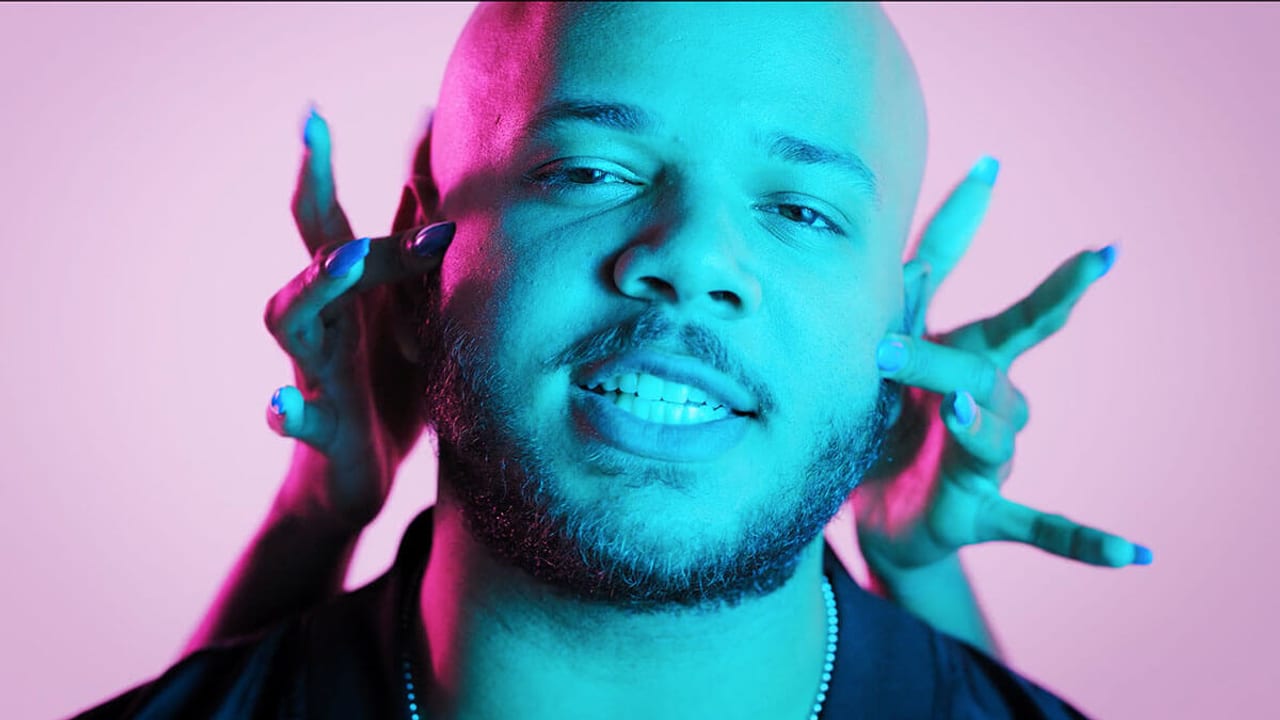
Producing a music video means juggling multiple moving parts simultaneously. On the set of Vitaly K's "Universe," we learned that effective delegation isn’t just helpful—it’s essential. When the director stepped away to work in another room, I took charge of setting up a complex backdrop involving plastic sheeting and props. By quickly assigning tasks to trusted production assistants and clearly communicating the vision, we transformed a potentially overwhelming setup into a smooth, collaborative effort. The key is having a reliable crew you trust to execute without constant oversight. Delegation frees you to focus on bigger-picture production challenges, keeps the shoot on schedule, and empowers your team to contribute creatively.
Music videos often demand technical precision, especially when using effects like slow motion. For The Bodega Brovas' "The Freshest Facade," we needed to shoot overcranked footage, which requires the artist to perform at double speed. Rather than risk confusion or wasted takes on shoot day, we scheduled pre-shoot tests to rehearse the performance and confirm camera settings. Testing helped us identify what worked and what didn’t, ensuring the final footage matched our creative intent. This approach saves time, reduces stress, and avoids costly reshoots. Always plan dedicated test sessions for complex shots or technical challenges.
A well-structured schedule is the difference between chaos and control. On "Universe," we captured a live painting performance that couldn’t be reset once the dancer was covered in paint. Our assistant director Trey Gregory designed a schedule that prioritized filming the full performance first, then pickups and inserts, avoiding costly resets or makeup reapplications. For "The Freshest Facade," balancing multiple locations and performers required clear timing and call sheets so everyone knew exactly when and where to be. Investing time in detailed scheduling upfront keeps your shoot efficient, reduces downtime, and respects everyone’s time.
Some performances are one-of-a-kind moments that can’t be recreated. For the paint-dance sequence in "Universe," we deployed multiple cameras to capture different angles simultaneously. Operating one of the cameras myself, I saw how crucial this was—close-ups of paint drips and wide shots of movement all happened in real time with no chance for retakes. Multiple camera setups ensure you don’t miss critical details, giving your editor creative options in post. When planning your shoot, identify irreplaceable moments and allocate camera resources accordingly.
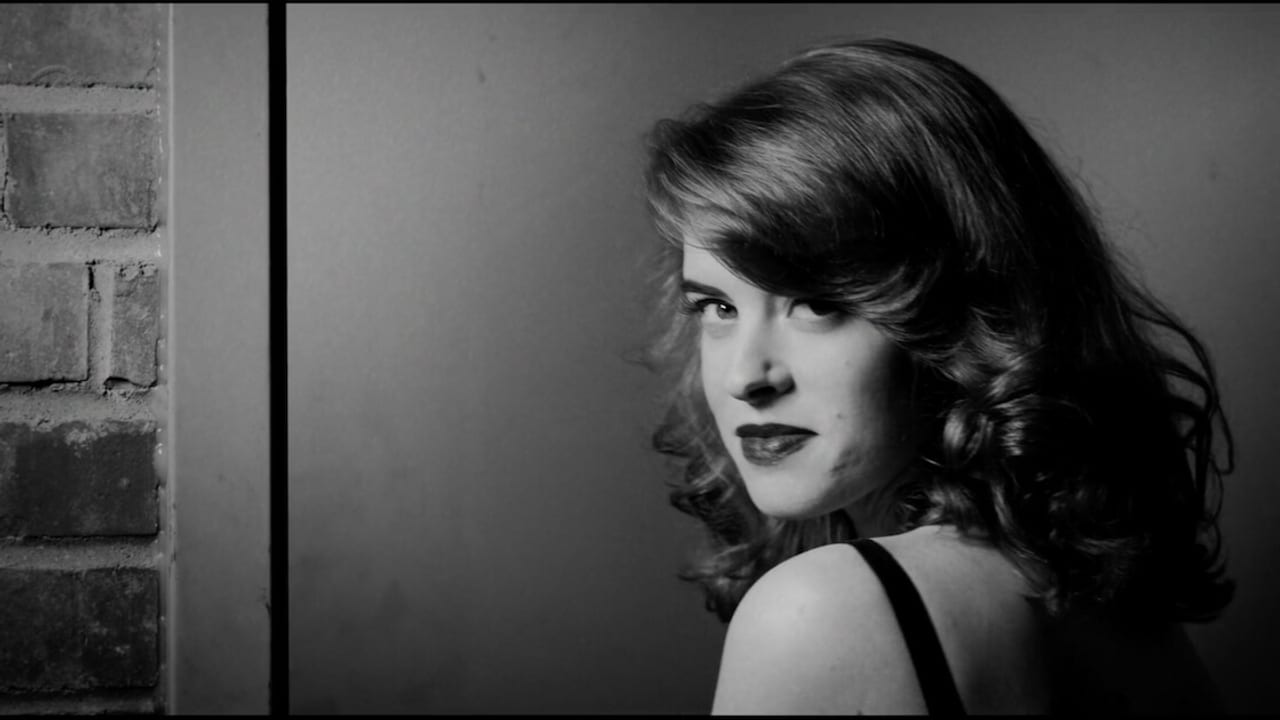
The story continues long after the cameras stop rolling. Music videos rely heavily on editing, color grading, and sound design to evoke emotion and maintain pacing. For both projects, we worked closely with editors to balance slow-motion sequences with dynamic cuts and vibrant color treatments that complemented the music’s energy. Early collaboration between production and post teams ensures the footage captured aligns with the intended mood and narrative arc. Don’t underestimate post-production’s role in refining your vision and delivering a polished final product.
Start by building a trusted crew with clear roles. Communicate your vision and goals for each task, then empower your team members to take ownership. Check in periodically but avoid micromanaging to keep the shoot efficient.
Testing allows you to troubleshoot technical challenges, rehearse performances, and confirm camera settings ahead of time. This reduces costly mistakes and ensures creative goals are achievable on shoot day.
Multiple cameras capture different angles and details simultaneously, giving editors more creative options and ensuring critical moments aren’t missed, especially when retakes aren’t possible.
The useful takeaway is how audience, creative direction, production choices, post-production, approvals, and delivery needs shape the final video plan.
Start with the goal, audience, deadline, where the finished piece needs to live, and the practical constraints that will affect creative and production decisions.
ECG can help connect the creative idea to production planning, filming, post-production, versioning, and delivery so the finished work fits the channel and the audience.
Visual Context
Articles perform better when readers can see what the thinking points toward. This visual break connects the topic to ECG production, post-production, real examples, and the next practical decision instead of leaving the page as a long read with no visual rhythm.
See related workArticle FAQ
These answers add practical context for the decisions that usually sit behind strategy work: scope, timing, creative direction, production approach, and what the finished piece needs to accomplish.
Start by building a trusted crew with clear roles. Communicate your vision and goals for each task, then empower your team members to take ownership. Check in periodically but avoid micromanaging to keep the shoot efficient.
Testing allows you to troubleshoot technical challenges, rehearse performances, and confirm camera settings ahead of time. This reduces costly mistakes and ensures creative goals are achievable on shoot day.
Multiple cameras capture different angles and details simultaneously, giving editors more creative options and ensuring critical moments aren’t missed, especially when retakes aren’t possible.
The useful takeaway is how audience, creative direction, production choices, post-production, approvals, and delivery needs shape the final video plan.
Start with the goal, audience, deadline, where the finished piece needs to live, and the practical constraints that will affect creative and production decisions.
ECG can help connect the creative idea to production planning, filming, post-production, versioning, and delivery so the finished work fits the channel and the audience.
Next Step
When an article sounds like your project, compare the relevant service path and nearby work before you make a production decision.
Read Next

Sound Strategy
Music And Brand Feel
Music is not background decoration. It controls pace, tension, memory, and whether a brand video feels believable before the viewer can explain why.
Read article
Production
Production
A clear-eyed guide to the money side of production: what drives scope, where costs hide, and how better planning protects the final piece.
Read article
Production
Production
A clear-eyed guide to the money side of production: what drives scope, where costs hide, and how better planning protects the final piece.
Read article
Planning
Planning
What to decide before the shoot when 5 Things I Learned about Writing Stories from Improv affects scope, story, schedule, and creative alignment.
Read article
Business
Business
A practical look at how sound, pacing, tone, and post-production choices shape what the audience feels after the picture starts moving.
Read articleKeep Exploring
Related services, examples, and deeper reads add context around the creative choices, production decisions, and tradeoffs behind this topic.
Services
These service paths show where the production, post, animation, or package conversation usually goes next.
Service
Event video production for teams that need the story, energy, speakers, audience, and proof of a live moment captured for people who were not in the room.
Open pageService
AI video creation support for teams that want to use generative tools responsibly without sacrificing strategy, production judgment, brand trust, or visual quality.
Open pageService
Corporate video production for companies that need people to understand the business, trust the message, and use the finished video across sales, recruiting, interna...
Open pageService
Line Producing from ECG Productions keeps the production plan, crew, schedule, media, and client needs moving together.
Open pageWork
These examples show what the service, article, or category can look like in finished work.
Branded Content
Hello My Name Is… | A Musical Exploration is story-led brand work, which means the finished piece has to show more than polish. The important read is how the brand,...
Open pageBranded Content
Coco Jones, and more Talent | Hello My Name Is… Episode 5 is story-led brand work, which means the finished piece has to show more than polish. The important read is...
Open pageBranded Content
Wyclef Jean and more Talent | Hello My Name Is… Episode 6 is story-led brand work, which means the finished piece has to show more than polish. The important read is...
Open pageRelated articles
These pieces add context around process, budget, creative choices, common mistakes, and what to ask next.
Post
A post-production read on Where Do Essential, Digital Dailies Go After A Fun Shoot, covering the edit, sound, color, graphics, delivery, and review choices that shap...
Open pageProduction
How to Make a TV Commercial That Stands Out | Strategy + Creative Tips is a production read about what needs to be planned, captured, protected, and handed to post s...
Open pageBusiness
A practical look at how sound, pacing, tone, and post-production choices shape what the audience feels after the picture starts moving.
Open pageProduction
An Approved Fixer Can Take Your Production From 0 to 100 is a production read about what needs to be planned, captured, protected, and handed to post so the finished...
Open pageNext step
When this starts to sound like your situation, bring ECG the goal and the constraints.
Share This Article
Share the article, project, or service page with a teammate, client, producer, or stakeholder who needs the context before the next decision.