Channels change. Audience attention does not get easier.
Platform tactics evolve, but the useful question stays the same: what the viewer needs to understand, feel, remember, or do after watching.
Strategy
Explore the history and growth of branded content, learn from standout examples like BMW’s The Hire and Dove’s Real Beauty Sketches, and get practical production advice to create
 Written byJordan NowlinProducer & Writer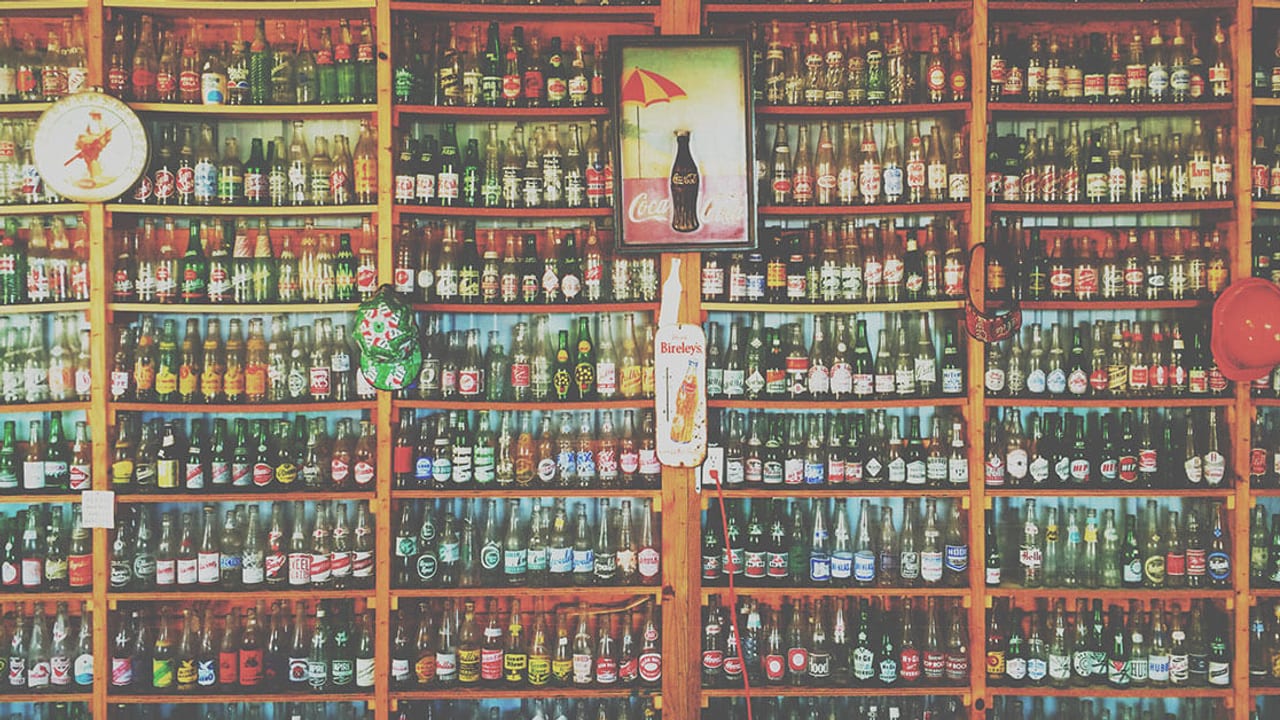
Strategy
Marketing video guidance for teams planning content that has to perform.
Marketing Context
A strong marketing video is not just a finished file. It needs a clear audience, a useful hook, the right versions, smart placement, and a reason for someone to care after the first few seconds.
Platform tactics evolve, but the useful question stays the same: what the viewer needs to understand, feel, remember, or do after watching.
Marketing video usually needs cutdowns, thumbnails, captions, channel-specific openings, paid-media crops, landing-page context, and a path from awareness into action.
Before production, connect the concept to where it will run: website, paid social, sales, broadcast, CTV, email, events, internal launch, or campaign support.
Article
Explore the history and growth of branded content, learn from standout examples like BMW’s The Hire and Dove’s Real Beauty Sketches, and get practical production advice to create
Help marketing and production teams decide how to approach branded content strategy and execution for maximum audience impact.
Branded content isn’t just a marketing buzzword—it’s a strategic storytelling approach that builds emotional connections with audiences. Unlike traditional ads, it’s designed to engage rather than interrupt, creating brand loyalty through authentic narratives. For production teams, this means investing in story development, cinematic quality, and distribution plans that align with the brand’s voice and audience preferences. Understanding this shift is crucial before you allocate budget or greenlight scripts.
Branded content has deep roots, stretching back to the 1930s with P&G’s radio soap operas aimed at American housewives. This early form of storytelling set the stage for decades of innovation—from Guinness publishing the World Records book to Hasbro and Marvel creating G.I. Joe comics, and Coca-Cola opening a dedicated museum. These examples show how brands have long used content to embed themselves in culture, a lesson that today’s producers can apply by blending brand messaging with compelling stories that resonate over time.
Looking at successful branded content helps teams understand what works in practice. BMW’s 2001 series The Hire combined high production values, A-list directors, and narrative-driven short films to highlight product features without overt selling. Dove’s 2013 Real Beauty Sketches campaign used emotional storytelling to challenge beauty stereotypes, achieving massive reach and engagement. Intel and Toshiba’s The Beauty Inside took innovation further by integrating interactive social media elements with episodic storytelling. Each example underscores the importance of aligning creative vision, production quality, and distribution strategy.
Producing branded content demands a clear strategy that spans pre-production through delivery. Start with a story that authentically reflects your brand values and audience insights. During production, prioritize cinematic techniques—lighting, sound design, and editing—that elevate the narrative beyond typical ads. Post-production should focus on pacing, color grading, and audio mixing to ensure emotional impact. Finally, plan distribution and approval workflows early to maximize reach and meet brand compliance without delays.
Before launching into production, map out your campaign’s goals, target audience, and key messages. Collaborate with creative, marketing, and production teams to develop a concept that balances brand storytelling with viewer engagement. Consider multi-channel distribution to amplify reach, including social, digital, and experiential platforms. Partnering with an experienced production company like ECG can streamline this process, ensuring your content is not only compelling but also strategically aligned and technically polished.
Branded content focuses on storytelling that engages audiences emotionally without direct selling, whereas traditional ads usually promote products or services more overtly. This approach builds brand loyalty through authentic narratives rather than interruptive messaging.
Start with thorough audience research and develop stories that reflect their values, challenges, and aspirations. Collaborate closely with creative and production teams to craft authentic narratives supported by high production quality and distribute through channels your audience frequents.
Focus on strategic pre-production planning to align story and brand goals, cinematic production techniques to enhance storytelling, and meticulous post-production including editing, color grading, and sound design. Early planning for approvals and distribution is also critical.
The useful takeaway is how audience, creative direction, production choices, post-production, approvals, and delivery needs shape the final video plan.
Start with the goal, audience, deadline, where the finished piece needs to live, and the practical constraints that will affect creative and production decisions.
ECG can help connect the creative idea to production planning, filming, post-production, versioning, and delivery so the finished work fits the channel and the audience.
Related ECG Portfolio Video
Use Coors Light | 2019 College Football Kick-Off as an ECG-produced reference for The Evolution of Branded Content: Strategy, Examples, and Production Insights. Compare the audience, tone, distribution plan, and production choices before turning the article into a creative brief.
Vimeo
Coors Light | 2019 College Football Kick-Off is an education-focused commercial from ECG, built around institutional clarity, audience trust, and the kind of polish schools need when they are asking people to pay attention. It helps schools and education brands compare tone, message discipline, production value, and where the finished piece needs to work.
Visual Context
Articles perform better when readers can see what the thinking points toward. This visual break connects the topic to ECG production, post-production, real examples, and the next practical decision instead of leaving the page as a long read with no visual rhythm.
See related workArticle FAQ
These answers add practical context for the decisions that usually sit behind strategy work: scope, timing, creative direction, production approach, and what the finished piece needs to accomplish.
Branded content focuses on storytelling that engages audiences emotionally without direct selling, whereas traditional ads usually promote products or services more overtly. This approach builds brand loyalty through authentic narratives rather than interruptive messaging.
Start with thorough audience research and develop stories that reflect their values, challenges, and aspirations. Collaborate closely with creative and production teams to craft authentic narratives supported by high production quality and distribute through channels your audience frequents.
Focus on strategic pre-production planning to align story and brand goals, cinematic production techniques to enhance storytelling, and meticulous post-production including editing, color grading, and sound design. Early planning for approvals and distribution is also critical.
The useful takeaway is how audience, creative direction, production choices, post-production, approvals, and delivery needs shape the final video plan.
Start with the goal, audience, deadline, where the finished piece needs to live, and the practical constraints that will affect creative and production decisions.
ECG can help connect the creative idea to production planning, filming, post-production, versioning, and delivery so the finished work fits the channel and the audience.
Next Step
When an article sounds like your project, compare the relevant service path and nearby work before you make a production decision.
Read Next
Strategy
Strategy
A Brief History of Branded Content - Part 1 is a strategy read for teams deciding who the video needs to reach, what it needs to say, where it will live, and what has to be clear before production dollars move.
Read article
Production
Production
Branded Video Content: Why your Marketing Strategy needs it is a production read about what needs to be planned, captured, protected, and handed to post so the finished piece has a real chance to work.
Read article
Production
Production
Crunchyroll’s “Anime Crimes Division”: Branded Content Done Right is a production read about what needs to be planned, captured, protected, and handed to post so the finished piece has a real chance to work.
Read article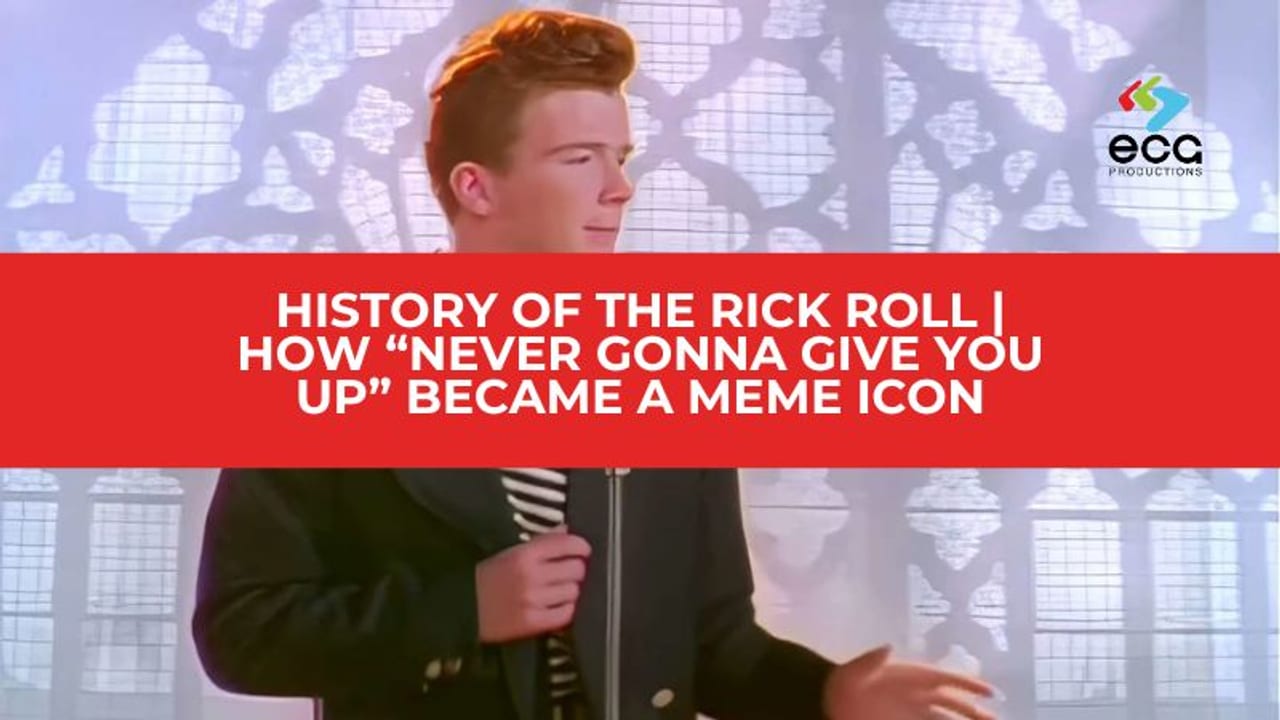
Planning
Planning
What to decide before the shoot when The History of the Rick Roll - How “Never Gonna Give You Up” Became a Meme Icon affects scope, story, schedule, and creative alignment.
Read article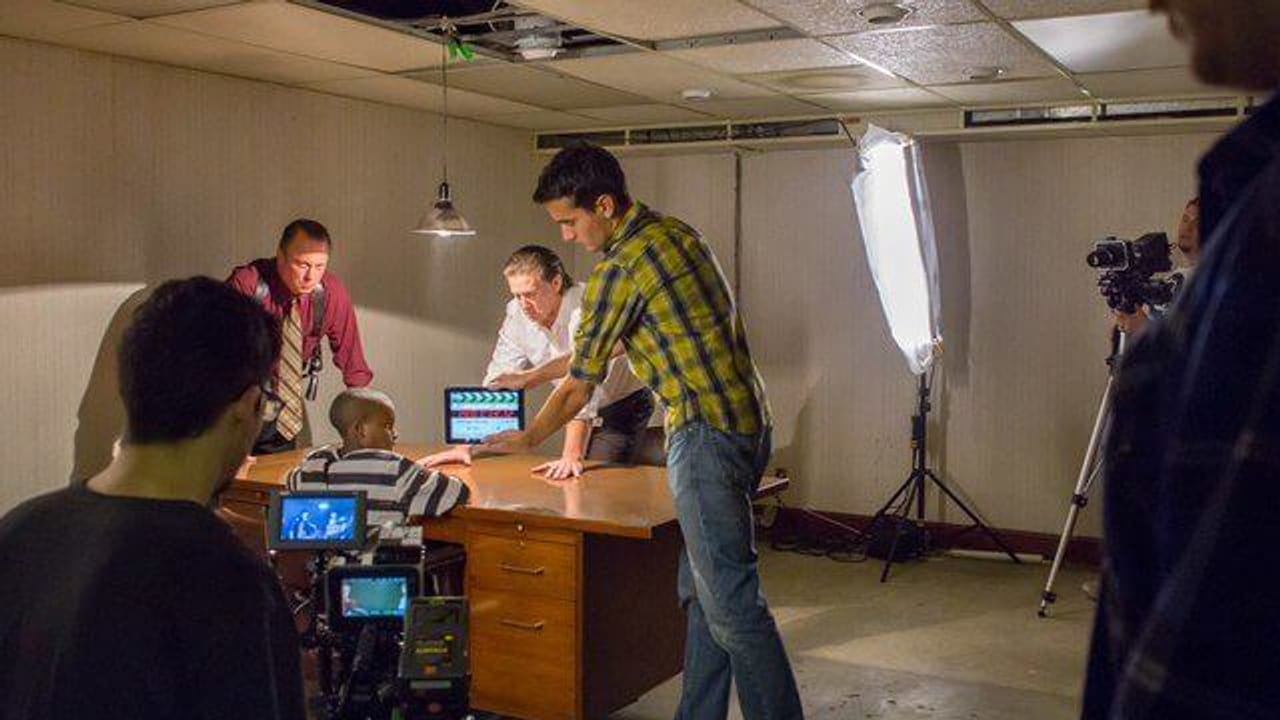
On Set
Behind The Scenes
Why the work around the work can become some of the most useful marketing content a brand owns.
Read articleKeep Exploring
Related services, examples, and deeper reads add context around the creative choices, production decisions, and tradeoffs behind this topic.
Services
These service paths show where the production, post, animation, or package conversation usually goes next.
Service
AI video creation support for teams that want to use generative tools responsibly without sacrificing strategy, production judgment, brand trust, or visual quality.
Open pageService
The Brand Starter Kit helps a growing company create the core video assets people look for before they trust you: a clear brand story, credible human proof, and prac...
Open pageService
Event video production for teams that need the story, energy, speakers, audience, and proof of a live moment captured for people who were not in the room.
Open pageService
Social Media Video Services from ECG Productions connects creative, production, post, and platform strategy around a campaign or brand goal.
Open pageWork
These examples show what the service, article, or category can look like in finished work.
Branded Content
Hello My Name Is… | A Musical Exploration is story-led brand work, which means the finished piece has to show more than polish. The important read is how the brand,...
Open pageBranded Content
Eric Bellinger, Jane Handcock, and more: Hello My Name Is | Episode 3 is story-led brand work, which means the finished piece has to show more than polish. The impor...
Open pageBranded Content
Dixson, and more Talent | Hello My Name Is… Episode 8 is story-led brand work, which means the finished piece has to show more than polish. The important read is how...
Open pageRelated articles
These pieces add context around process, budget, creative choices, common mistakes, and what to ask next.
Post
A post-production read on Secure Content Transfer: Top 4 Best Tools, covering the edit, sound, color, graphics, delivery, and review choices that shape the final piece.
Open pageStrategy
Interactive Video Content: Engage Your Audience in a Whole New Way is a strategy read for teams deciding who the video needs to reach, what it needs to say, where it...
Open pageBrand
How story-led video earns attention when audiences can feel the difference between a campaign and a pitch.
Open pageProduction
Oats Studios: Neill Blomkamp Gives The Audience What They Really Want is a production read about what needs to be planned, captured, protected, and handed to post so...
Open pageNext step
When this starts to sound like your situation, bring ECG the goal and the constraints.
Share This Article
Share the article, project, or service page with a teammate, client, producer, or stakeholder who needs the context before the next decision.