Practical production strategies to keep your crew comfortable, protect equipment, and capture quality footage during cold weather outdoor shoots.
Help production teams plan and execute cold weather outdoor shoots that keep crew safe, equipment protected, and footage high-quality.
Plan for Cold Weather from Pre-Production to Wrap
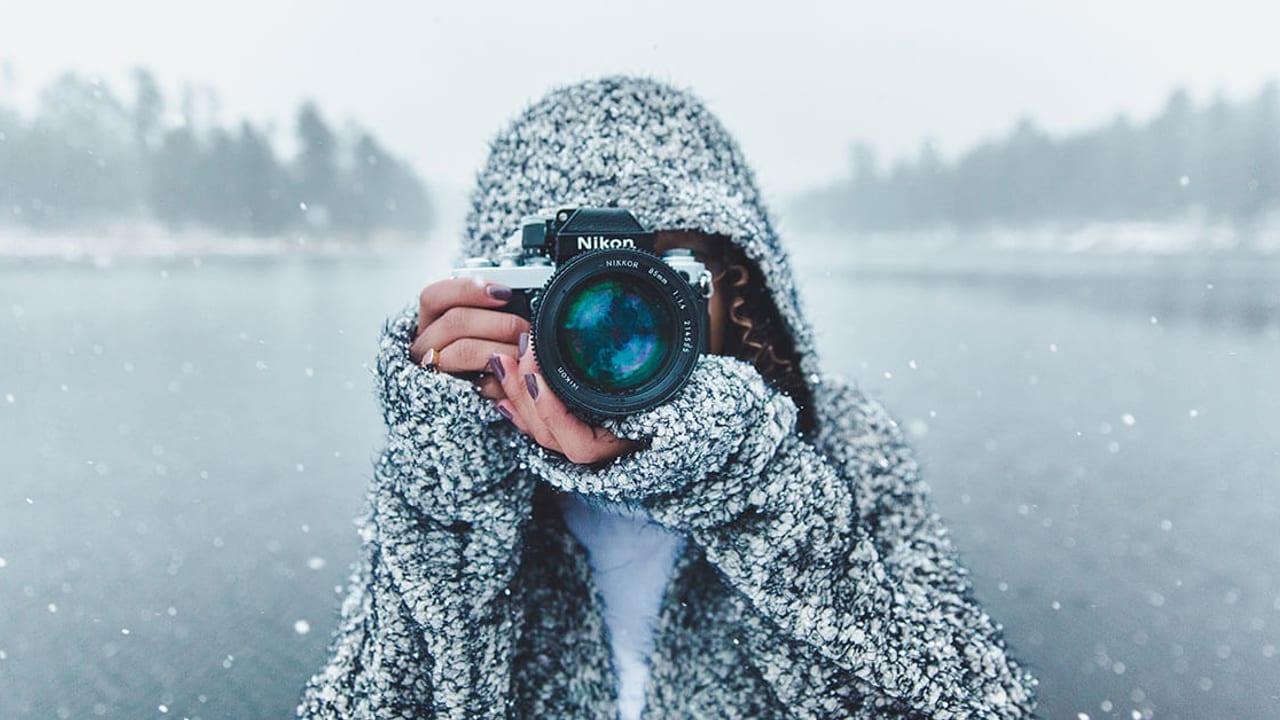
Cold weather outdoor shoots demand more than just showing up with cameras. From pre-production, communicate clearly with your crew about the conditions and gear needed. Encourage layering with thermal base layers and weather-appropriate accessories. If your team isn’t accustomed to cold climates, consider providing extra coats, gloves, and hand warmers on set. Planning these logistics days in advance prevents last-minute scrambling and keeps morale high.
Protect Your Crew with Warmth and Breaks
Shooting in the cold can sap energy and focus quickly. Schedule regular breaks to allow your crew to warm up, especially your camera operators and grips who handle metal equipment. If possible, rent a heated trailer or nearby indoor space for respite. Offering hot beverage runs—coffee, tea, or cocoa—can boost morale and body heat. Portable hand warmers are affordable and effective tools to keep fingers nimble during long takes.
Safeguard Equipment Against Cold Weather Challenges
Cold temperatures impact camera batteries, lenses, and audio gear. Batteries drain faster, so bring extras and keep spares warm in insulated bags or inside your coat. Condensation can fog lenses and damage electronics; use lens hoods and silica gel packs in your camera bags. For audio, wind protection on microphones is essential, and consider heaters that won’t interfere with sound if you need to warm equipment or crew.
Optimize Shoot Timing and Location for Comfort and Quality
Monitor weather forecasts closely and plan your shoot during the warmest part of the day, often mid-afternoon. Choose locations shielded from wind or with natural sun exposure to improve comfort and lighting. If your schedule allows, be flexible to avoid days with high winds or precipitation. These adjustments reduce risk and help maintain consistent image and audio quality throughout the shoot.
Post-Production Considerations for Cold Weather Shoots
Cold weather footage can present unique post challenges such as color shifts from overcast skies or lens fog. Work with your colorist to balance cool tones and enhance warmth subtly without losing the natural feel. Audio tracks may need noise reduction if wind was present despite precautions. Keep detailed notes during production about any environmental factors affecting shots to streamline post workflows and approvals.
FAQ
What clothing should my crew wear for a cold weather shoot?
Layered clothing with thermal base layers, insulated outerwear, gloves, hats, and waterproof boots are essential. Provide extras for crew members who may not have cold-weather gear.
How can I protect camera equipment from cold weather damage?
Keep batteries warm in insulated pockets, use lens hoods to prevent condensation, store gear with silica gel packs, and bring extra batteries since cold drains power faster.
Are there special considerations for audio recording outdoors in cold weather?
Yes, wind noise is a major issue. Use windshields or dead cats on microphones and consider quiet heaters if warming crew or equipment near audio setups.
What should a team understand about Make a Cold Weather Outdoor Shoot More Bearable?
The useful takeaway is how audience, creative direction, production choices, post-production, approvals, and delivery needs shape the final video plan.
Where should this kind of project start?
Start with the goal, audience, deadline, where the finished piece needs to live, and the practical constraints that will affect creative and production decisions.
How can ECG help with the next step?
ECG can help connect the creative idea to production planning, filming, post-production, versioning, and delivery so the finished work fits the channel and the audience.