ECG Productions
ECG Blog

Production

Production Insights from David Wappel: Planning, Capturing, and Delivering Video Content

Discover practical production advice from ECG’s David Wappel on what must be planned, captured, protected, and handed to post for successful video projects.

Updated Jun 28, 20263 min readProduction
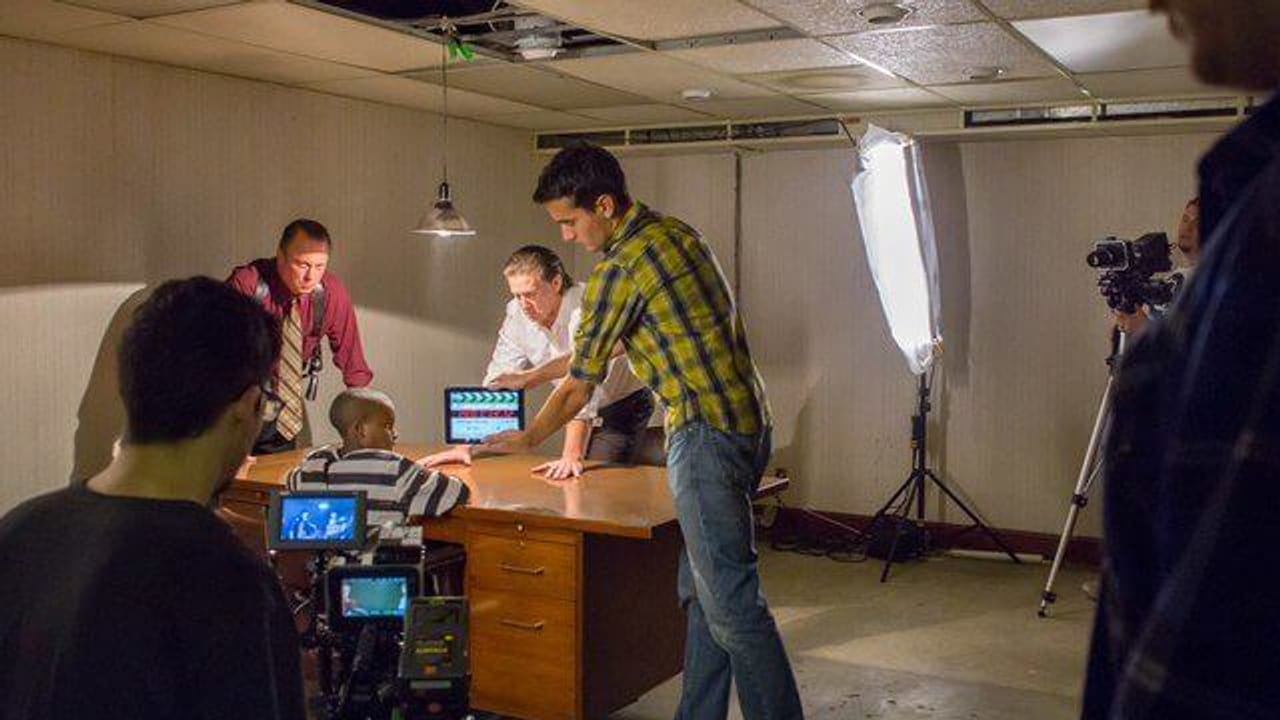
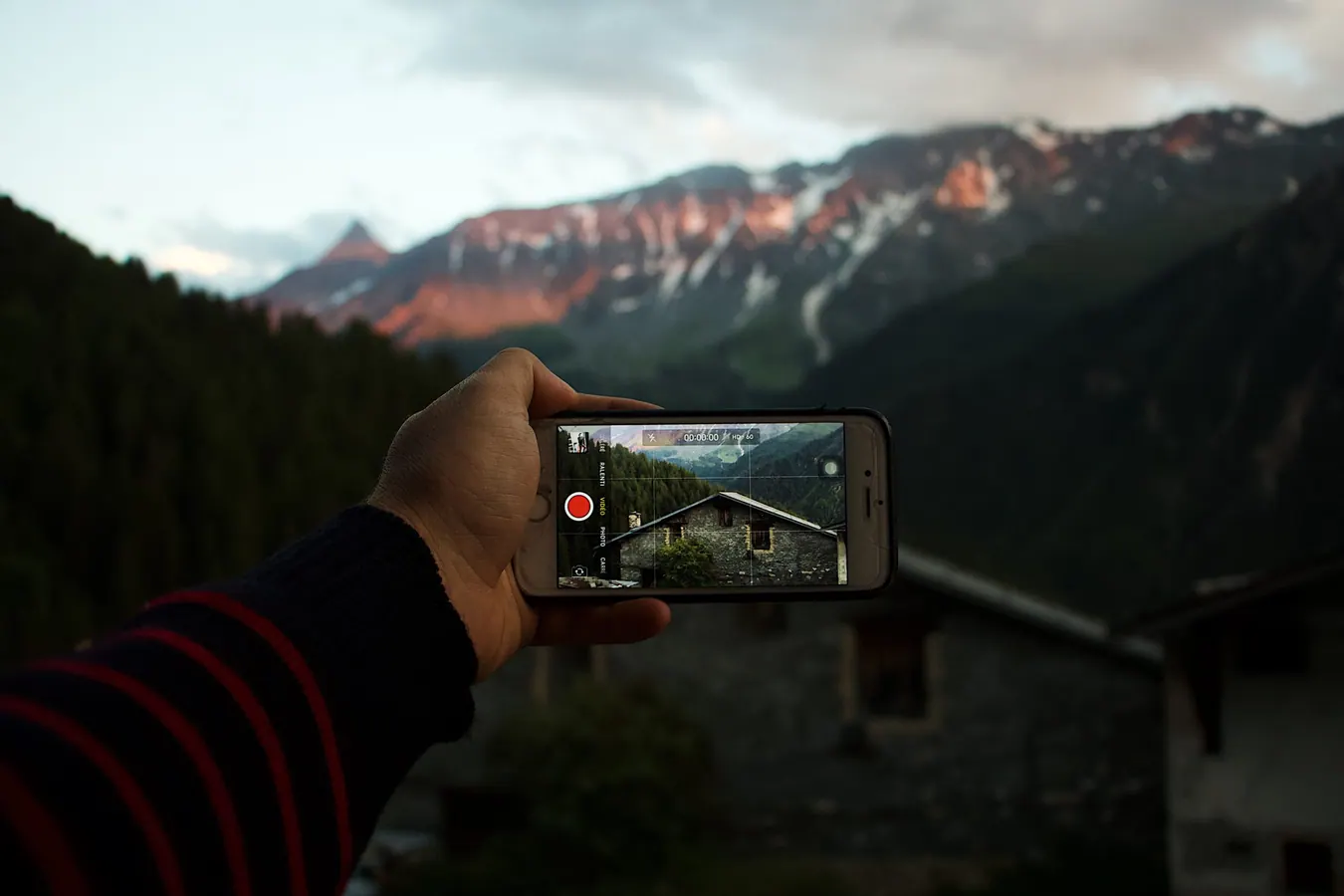
Content Survey Response #1: David Wappel article image showing ECG Productions crew, cameras, or on-set production work.

Production

Post-production thinking for edits, finishes, fixes, and final delivery.

Post-Production Context

Know what the footage needs after the shoot.

Post is where structure, pacing, sound, color, graphics, delivery specs, and review discipline either strengthen the project or expose the problems that were never solved earlier.

Tools change, but the edit still has to think.

Post-production software, codecs, AI tools, and platform specs keep moving. The durable lesson is still story, pacing, structure, sound, color, graphics, review discipline, and finishing for the places the video has to live.

Know what feels wrong before post starts.

If the article sounds close to your situation, gather source footage, current cuts, brand guidance, platform specs, deadline, and the places where the piece is not landing yet.

Connect the read to finishing decisions.

Post-production is where edit goals, review rounds, delivery versions, sound, color, graphics, captions, and final placement all come into focus.

Article

Discover practical production advice from ECG’s David Wappel on what must be planned, captured, protected, and handed to post for successful video projects.

Help readers understand the essential production steps and decisions that ensure a finished video piece works effectively from shoot to delivery.

The Core Production Truth: Planning What Matters

Every successful video project starts with clear production planning focused on what must be captured and protected for post-production. David Wappel, who leads ECG’s writing department and edits projects, emphasizes that knowing exactly what shots, audio, and elements are essential before the shoot saves time and headaches later. This means detailed shot lists, clear creative intent, and logistical foresight to avoid costly reshoots or missing footage.

Capturing with Purpose: Practical Production on Set

On set, the priority is capturing footage that serves the story and production goals without unnecessary complexity. David highlights the value of practical stunts and clear spatial geography in action sequences, referencing classics like 'Speed' for their straightforward yet dynamic approach. Avoiding over-cutting or shaky cam preserves clarity, making editing more efficient and the final product more engaging.

Protecting Your Assets: Managing Media and Approvals

Once captured, media management becomes paramount. Protecting raw footage, audio files, and production metadata ensures a smooth handoff to post. David points out that well-organized media archives and prompt approvals keep projects on schedule and maintain quality. This includes clear rights management and version control to prevent confusion or legal issues during distribution.

Handing Off to Post: Setting Editors Up for Success

The handoff to post-production is more than just delivering files. It requires providing editors with context—script notes, shot intentions, and any production nuances. David’s dual role as editor and writer at ECG gives him insight into how early collaboration between production and post can elevate storytelling. Proper color, audio, and delivery specifications communicated upfront reduce revisions and speed up final delivery.

Learning from Storytelling Masters: Why Production Choices Matter

David’s favorite films, like 'Raiders of the Lost Ark' and 'Kramer vs Kramer,' illustrate how production choices—from screenplay to stunt execution—directly impact audience connection. His reflections remind producers that every production decision, from pre-production through post, shapes the emotional and narrative effectiveness of the final piece. Prioritizing clarity, intent, and quality at every stage leads to content that resonates.

FAQ

What are the most important elements to plan before a video shoot?

Planning should focus on identifying essential shots, audio requirements, and logistical details that support the story and production goals. Clear shot lists and creative intent help avoid missing footage and streamline the shoot.

How can producers ensure smooth handoff to post-production?

Providing editors with organized media, script notes, and clear production context helps them understand the footage and creative intent. Early collaboration between production and post reduces revisions and accelerates delivery.

Why is practical stunt work preferred over heavy CGI or shaky cam in production?

Practical stunts and stable camera work maintain spatial clarity and realism, making action sequences easier to follow and more engaging. This approach also simplifies editing and reduces post-production complexity.

What should a team understand about Content Survey Response #1: David Wappel?

The useful takeaway is how audience, creative direction, production choices, post-production, approvals, and delivery needs shape the final video plan.

Where should this kind of project start?

Start with the goal, audience, deadline, where the finished piece needs to live, and the practical constraints that will affect creative and production decisions.

How can ECG help with the next step?

ECG can help connect the creative idea to production planning, filming, post-production, versioning, and delivery so the finished work fits the channel and the audience.


Related ECG Portfolio Video

See the article idea in finished ECG work.

Use American College of Rheumatology | Five Years of Simple Tasks as an ECG-produced reference for Production Insights from David Wappel: Planning, Capturing, and Delivering Video Content. Compare the audience, tone, distribution plan, and production choices before turning the article into a creative brief.

VimeoCorporateRelated Branded Content workRelated Corporate Video Production work
Open the project

Association story film

American College of Rheumatology | Five Years of Simple Tasks

A Boston-shot American College of Rheumatology corporate video produced with Porter Novelli and finished in-house at ECG. The page is now an archive case note because the original Vimeo player is no longer publicly embeddable.

Visual Context

Connect the article to the kind of work people can actually picture.

Articles perform better when readers can see what the thinking points toward. This visual break connects the topic to ECG production, post-production, real examples, and the next practical decision instead of leaving the page as a long read with no visual rhythm.

See related work

Article FAQ

Practical answers for the production decision.

These answers add practical context for the decisions that usually sit behind production work: scope, timing, creative direction, production approach, and what the finished piece needs to accomplish.

What are the most important elements to plan before a video shoot?

Planning should focus on identifying essential shots, audio requirements, and logistical details that support the story and production goals. Clear shot lists and creative intent help avoid missing footage and streamline the shoot.

How can producers ensure smooth handoff to post-production?

Providing editors with organized media, script notes, and clear production context helps them understand the footage and creative intent. Early collaboration between production and post reduces revisions and accelerates delivery.

Why is practical stunt work preferred over heavy CGI or shaky cam in production?

Practical stunts and stable camera work maintain spatial clarity and realism, making action sequences easier to follow and more engaging. This approach also simplifies editing and reduces post-production complexity.

What should a team understand about Content Survey Response #1: David Wappel?

The useful takeaway is how audience, creative direction, production choices, post-production, approvals, and delivery needs shape the final video plan.

Where should this kind of project start?

Start with the goal, audience, deadline, where the finished piece needs to live, and the practical constraints that will affect creative and production decisions.

How can ECG help with the next step?

ECG can help connect the creative idea to production planning, filming, post-production, versioning, and delivery so the finished work fits the channel and the audience.

Next Step

Connect the article to ECG services and work.

When an article sounds like your project, compare the relevant service path and nearby work before you make a production decision.

Keep Exploring

More ECG pages related to Production Insights from David Wappel: Planning, Capturing, and Delivering Video Content.

Related services, examples, and deeper reads add context around the creative choices, production decisions, and tradeoffs behind this topic.

Next step

Ready to talk through the project?

When this starts to sound like your situation, bring ECG the goal and the constraints.

Share This Article

Send this read to the team before the next production call.

Share the article, project, or service page with a teammate, client, producer, or stakeholder who needs the context before the next decision.