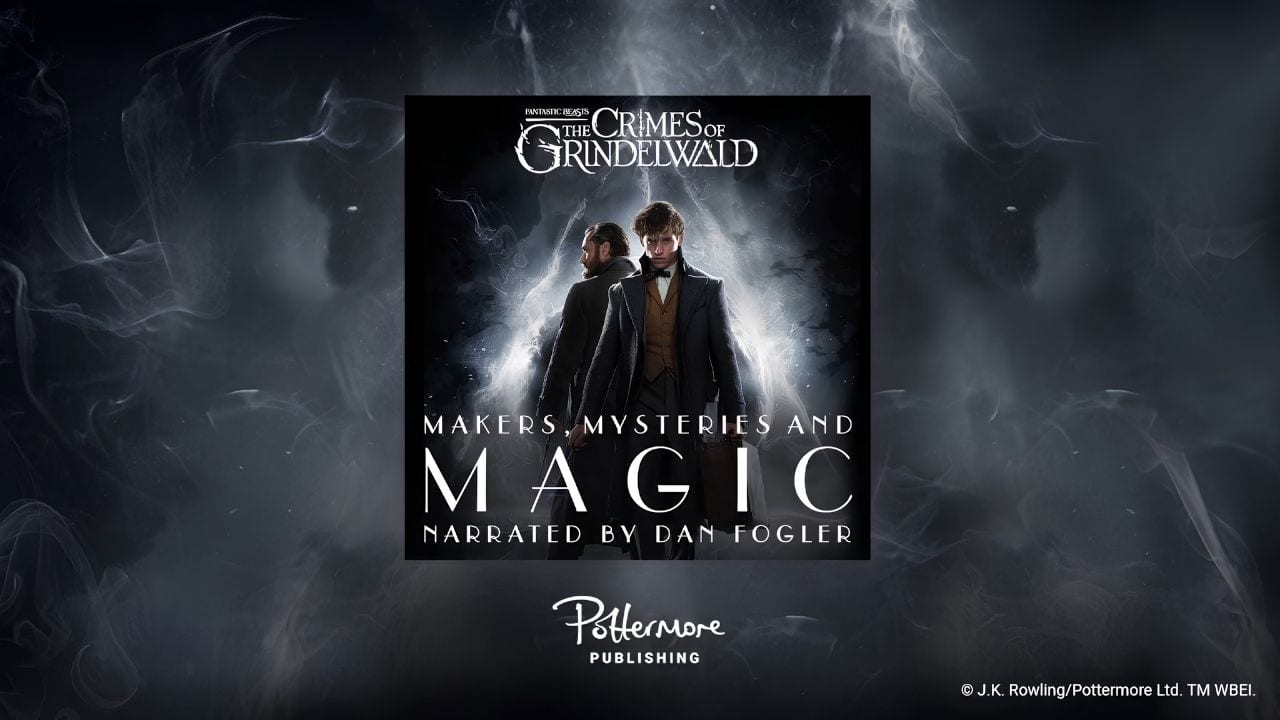
Music decides the emotional contract.
A brand video can look expensive and still feel wrong if the music fights the message. The track sets pace, tension, taste, confidence, and whether the viewer trusts the feeling the piece is asking them to have.
Post
Explore how classic Hollywood scores continue to shape storytelling in film and video, balancing tradition with modern music choices to enhance mood and audience connection.
 Written byTrey GregoryPartner, Director of Photography & Animator
Post
Sound strategy for brand videos that need to feel right before they explain themselves.
Sound Strategy
The music under a brand video changes pace, memory, credibility, and emotional permission. The right choice depends on audience, edit rhythm, licensing, dialogue, campaign life, and how the piece needs to feel in the first few seconds.
A brand video can look expensive and still feel wrong if the music fights the message. The track sets pace, tension, taste, confidence, and whether the viewer trusts the feeling the piece is asking them to have.
Music choices should match the audience, usage rights, campaign life, edit rhythm, voiceover, and where the video will run. A temp track can help the edit move, but the final track has to be cleared, mixed, and shaped around the brand.
A stronger music conversation starts early: tone references, licensing limits, dialogue or VO needs, captions, platform behavior, cutdowns, and the intended feeling when someone watches with sound on or off.
Article
Explore how classic Hollywood scores continue to shape storytelling in film and video, balancing tradition with modern music choices to enhance mood and audience connection.
Helps filmmakers and producers decide when and how to use classic Hollywood scores versus contemporary music styles in their projects.
When planning your film or video’s sound design, understanding the role of the classic Hollywood score is essential. This style of orchestral scoring remains a cornerstone of cinematic storytelling because it shapes audience emotions and narrative pacing in ways that pop or electronic music often cannot. Classic scores use thematic motifs, dynamic orchestration, and carefully timed cues to guide viewers through the story’s emotional arc. For example, fantasy epics like the Harry Potter and Lord of the Rings series rely heavily on sweeping orchestral scores to evoke otherworldly settings and timeless conflicts. Choosing this approach during pre-production means collaborating closely with composers and sound designers who specialize in orchestral arrangements, ensuring your story’s tone is supported from the earliest creative stages.
Modern productions frequently blend classic scoring with contemporary music styles such as pop, electronic, or ambient tracks. This hybrid approach expands creative options but requires strategic decision-making during post-production. For instance, a film set in a contemporary urban environment might use a classic score to underscore emotional moments while incorporating licensed pop songs to ground scenes in a specific time and culture. The key is to maintain tonal consistency and avoid jarring transitions that could pull audiences out of the story. Producers should plan music spotting sessions early, working with editors and composers to map out where each music style best serves the narrative.
Music is more than background noise—it’s a storytelling tool that influences how viewers perceive characters, settings, and plot developments. Using a classic Hollywood score can enhance the sense of timelessness or grandeur, especially in genres like fantasy, drama, and historical films. Conversely, pop or electronic music can inject immediacy and cultural relevance, useful for contemporary stories or commercials targeting specific demographics. For example, a serious insurance commercial paired with playful circus-like music risks confusing or alienating its audience. Understanding these associations helps producers and directors make informed decisions that align music with intended audience responses.
In post-production, the music editor’s role is critical in blending classic scores with other audio elements like dialogue, sound effects, and ambient sound. Careful mixing and mastering ensure that the score supports rather than competes with the narrative. Color grading and pacing also interact with music choices—slow, sweeping shots often benefit from lush orchestral music, while fast cuts might pair better with rhythmic pop beats. At ECG Productions, our video post-production and audio mixing services specialize in these nuanced integrations, helping clients deliver polished final products that resonate emotionally and commercially.
Ultimately, the decision to use a classic Hollywood score, contemporary music, or a blend depends on your project’s story, tone, and audience expectations. Consider the setting, genre, and emotional beats you want to highlight. Collaborate early with composers, music supervisors, and post teams to develop a cohesive sound strategy. If you’re unsure, ECG’s experienced producers and editors can guide you through music selection, rights clearance, and final mix to ensure your soundtrack elevates your story effectively.
Yes. Despite the rise of pop and electronic music in film, classic Hollywood scores remain vital for conveying emotional depth and narrative pacing, especially in genres like fantasy, drama, and historical films.
Consider your story’s setting, tone, and audience expectations. Classic scores suit timeless or fantastical stories, while pop music can add cultural relevance and immediacy. Often, a blend of both provides the best results.
Post-production ensures that the music complements dialogue, sound effects, and visuals through careful editing, mixing, and mastering. This integration is crucial for maintaining narrative flow and emotional impact.
The useful takeaway is how audience, creative direction, production choices, post-production, approvals, and delivery needs shape the final video plan.
Start with the goal, audience, deadline, where the finished piece needs to live, and the practical constraints that will affect creative and production decisions.
ECG can help connect the creative idea to production planning, filming, post-production, versioning, and delivery so the finished work fits the channel and the audience.
Related ECG Portfolio Video
Use Red Hare Brewing | Beer Love Commercial as an ECG-produced reference for Why the Classic Hollywood Score Remains Vital in Modern Film Production. Compare the audience, tone, distribution plan, and production choices before turning the article into a creative brief.
Beer commercial
A Red Hare Brewing commercial parody built in a 48-hour script-to-screen window, with concept, footage, motion graphics, music, and sound design handled by ECG.
Visual Context
Articles perform better when readers can see what the thinking points toward. This visual break connects the topic to ECG production, post-production, real examples, and the next practical decision instead of leaving the page as a long read with no visual rhythm.
See related workArticle FAQ
These answers add practical context for the decisions that usually sit behind post work: scope, timing, creative direction, production approach, and what the finished piece needs to accomplish.
Yes. Despite the rise of pop and electronic music in film, classic Hollywood scores remain vital for conveying emotional depth and narrative pacing, especially in genres like fantasy, drama, and historical films.
Consider your story’s setting, tone, and audience expectations. Classic scores suit timeless or fantastical stories, while pop music can add cultural relevance and immediacy. Often, a blend of both provides the best results.
Post-production ensures that the music complements dialogue, sound effects, and visuals through careful editing, mixing, and mastering. This integration is crucial for maintaining narrative flow and emotional impact.
The useful takeaway is how audience, creative direction, production choices, post-production, approvals, and delivery needs shape the final video plan.
Start with the goal, audience, deadline, where the finished piece needs to live, and the practical constraints that will affect creative and production decisions.
ECG can help connect the creative idea to production planning, filming, post-production, versioning, and delivery so the finished work fits the channel and the audience.
Next Step
When an article sounds like your project, compare the relevant service path and nearby work before you make a production decision.
Read Next

Business
Business
An Open Letter to "Hollywood" shapes the budget conversation: the scope drivers to understand, the risks to plan around, and the decisions worth making before production starts.
Read article
Production
Production
The Influence of Hollywood on Independent Film: Inspiration, Impact, and Industry Tensions is a production read about what needs to be planned, captured, protected, and handed to post so the finished piece has a real chance to work.
Read article
Business
Business
HOLLYWOOD OF THE SOUTH shapes the budget conversation: the scope drivers to understand, the risks to plan around, and the decisions worth making before production starts.
Read article
Business
Business
OUR SMALL BUSINESS IS NOT A F#CKING BANK shapes the budget conversation: the scope drivers to understand, the risks to plan around, and the decisions worth making before production starts.
Read article
Business
Business
The Let’s Play Phenomenon and Why It’s Not Stupid shapes the budget conversation: the scope drivers to understand, the risks to plan around, and the decisions worth making before production starts.
Read article
Business
Business
The Male Gaze And Where NOT To Find It shapes the budget conversation: the scope drivers to understand, the risks to plan around, and the decisions worth making before production starts.
Read articleKeep Exploring
Related services, examples, and deeper reads add context around the creative choices, production decisions, and tradeoffs behind this topic.
Services
These service paths show where the production, post, animation, or package conversation usually goes next.
Service
Animation and motion graphics for brands, agencies, and organizations that need complex ideas, products, data, processes, or brand moments made easier to understand.
Open pageService
Event video production for teams that need the story, energy, speakers, audience, and proof of a live moment captured for people who were not in the room.
Open pageService
AI video creation support for teams that want to use generative tools responsibly without sacrificing strategy, production judgment, brand trust, or visual quality.
Open pageService
Color Correction & Color Grading from ECG Productions helps the finished piece feel more polished, consistent, intentional, and ready for its audience.
Open pageWork
These examples show what the service, article, or category can look like in finished work.
Branded Content
Hello My Name Is… | A Musical Exploration is story-led brand work, which means the finished piece has to show more than polish. The important read is how the brand,...
Open pageBranded Content
Dixson, and more Talent | Hello My Name Is… Episode 8 is story-led brand work, which means the finished piece has to show more than polish. The important read is how...
Open pageBranded Content
Proudly Introducing: Hello My Name Is | Episodes 1 & 2 is story-led brand work, which means the finished piece has to show more than polish. The important read is ho...
Open pageRelated articles
These pieces add context around process, budget, creative choices, common mistakes, and what to ask next.
Strategy
How sound design, mix choices, and music cues make commercials feel more finished, memorable, and emotionally specific.
Open pageProduction
A practical look at how sound, pacing, tone, and post-production choices shape what the audience feels after the picture starts moving.
Open pagePost
A post-production read on Restoring Old Videos: How ECG Productions Brings Your Memories Back to Life, covering the edit, sound, color, graphics, delivery, and revie...
Open pageStrategy
A practical look at how sound, pacing, tone, and post-production choices shape what the audience feels after the picture starts moving.
Open pageNext step
When this starts to sound like your situation, bring ECG the goal and the constraints.
Share This Article
Share the article, project, or service page with a teammate, client, producer, or stakeholder who needs the context before the next decision.