ECG Productions
ECG Blog

Production

What Every Producer Must Plan, Capture, and Protect for Smooth Post-Production

Discover practical production insights from ECG’s Jenn Lee on planning, capturing, and safeguarding footage to ensure a seamless post-production process and a polished final video.

Updated Jun 28, 20263 min readProduction
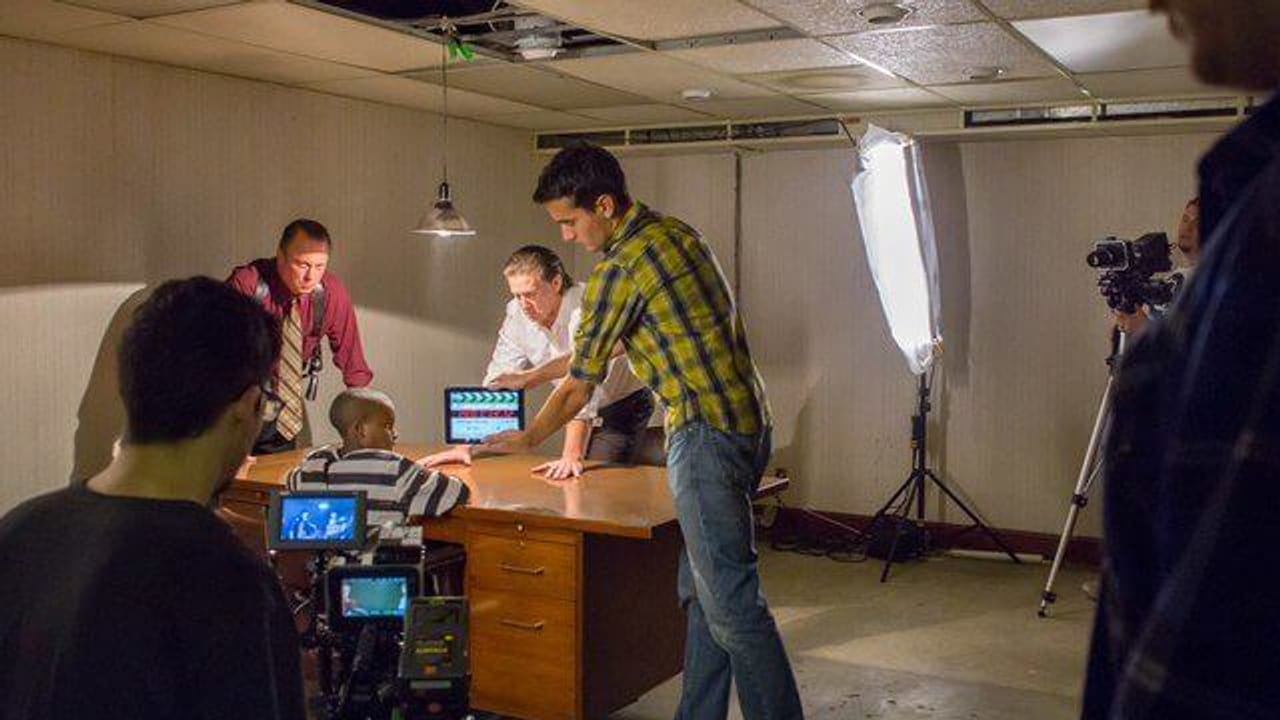
Content Survey Response #4: Jenn Lee article image showing ECG Productions crew, cameras, or on-set production work.

Production

Post-production thinking for edits, finishes, fixes, and final delivery.

Post-Production Context

Know what the footage needs after the shoot.

Post is where structure, pacing, sound, color, graphics, delivery specs, and review discipline either strengthen the project or expose the problems that were never solved earlier.

Tools change, but the edit still has to think.

Post-production software, codecs, AI tools, and platform specs keep moving. The durable lesson is still story, pacing, structure, sound, color, graphics, review discipline, and finishing for the places the video has to live.

Know what feels wrong before post starts.

If the article sounds close to your situation, gather source footage, current cuts, brand guidance, platform specs, deadline, and the places where the piece is not landing yet.

Connect the read to finishing decisions.

Post-production is where edit goals, review rounds, delivery versions, sound, color, graphics, captions, and final placement all come into focus.

Article

Discover practical production insights from ECG’s Jenn Lee on planning, capturing, and safeguarding footage to ensure a seamless post-production process and a polished final video.

Help producers and marketers understand the critical production steps that ensure a smooth handoff to post and a successful final video.

Why Production Planning Shapes Post-Production Success

The foundation of a smooth post-production process starts well before the cameras roll. Thoughtful production planning—covering shot lists, script breakdowns, and technical specifications—ensures that what’s captured aligns precisely with the edit vision. When producers anticipate post needs, such as coverage variety, audio quality, and visual continuity, they reduce costly reshoots and editing headaches. At ECG, we emphasize clear communication between producers, directors, and post teams during pre-production to safeguard the final deliverable’s quality and timeline.

Capturing What Matters: Protecting Your Footage on Set

On set, the priority is capturing clean, usable footage that meets creative and technical requirements. This means managing camera settings, lighting consistency, and audio capture with precision. It also means protecting data immediately—offloading cards to redundant storage, verifying file integrity, and logging metadata thoroughly. ECG’s production crews follow rigorous data wrangling protocols to prevent loss or corruption, ensuring every frame is accounted for and ready for post. This attention to detail saves time and stress later in the process.

The Post Handoff: Organizing and Delivering for Efficient Editing

Once production wraps, the handoff to post-production must be seamless. This includes delivering footage with clear labeling, organized folders, and comprehensive production notes. Editors rely on well-documented takes, slate information, and audio sync references to work efficiently. ECG’s post team collaborates closely with production to confirm all assets, including B-roll, graphics, and sound elements, are accounted for and rights-cleared. This organized approach accelerates editing, color grading, and sound mixing, ultimately delivering a polished final product on schedule.

Common Production Pitfalls That Delay Delivery—and How to Avoid Them

Many productions stumble on avoidable issues like missing shots, inconsistent lighting, or incomplete audio capture. These problems often surface only in post, causing delays and budget overruns. ECG recommends building buffer time into schedules for reshoots or pickups and conducting daily on-set reviews of footage to catch issues early. Additionally, securing all necessary usage rights and clearances during production prevents legal complications after delivery. Proactive problem-solving during production protects your timeline and investment.

ECG’s Proven Workflow: From Production to Post Without Surprises

At ECG Productions, our integrated approach ensures production and post teams operate as one unit. From pre-production planning sessions to on-set data wrangling and post-delivery quality checks, every step is designed to protect your story and your schedule. Our portfolio showcases projects where this meticulous workflow made the difference between a stressful finish and a smooth launch. Whether you’re producing a branded video, documentary, or commercial, partnering with ECG means you get a production process built to deliver excellence without surprises.

FAQ

What are the most important production elements to plan before shooting?

Key elements include a detailed shot list, script breakdown, technical specs like resolution and frame rate, audio capture plans, and data management protocols. Planning these ensures footage aligns with the edit vision and post-production needs.

How does proper data wrangling on set affect post-production?

Proper data wrangling—offloading, backing up, and verifying footage immediately—prevents data loss and corruption. This protects your investment and allows editors to work confidently with all captured material.

What should be included in the handoff to post-production?

The handoff should include organized and labeled footage, production notes, metadata, audio sync references, and any rights documentation. Clear communication at this stage accelerates editing and reduces revisions.

What should a team understand about Content Survey Response #4: Jenn Lee?

The useful takeaway is how audience, creative direction, production choices, post-production, approvals, and delivery needs shape the final video plan.

Where should this kind of project start?

Start with the goal, audience, deadline, where the finished piece needs to live, and the practical constraints that will affect creative and production decisions.

How can ECG help with the next step?

ECG can help connect the creative idea to production planning, filming, post-production, versioning, and delivery so the finished work fits the channel and the audience.


Related ECG Portfolio Video

See the article idea in finished ECG work.

Use American College of Rheumatology | Five Years of Simple Tasks as an ECG-produced reference for What Every Producer Must Plan, Capture, and Protect for Smooth Post-Production. Compare the audience, tone, distribution plan, and production choices before turning the article into a creative brief.

VimeoCorporateRelated Branded Content workRelated Corporate Video Production work
Open the project

Association story film

American College of Rheumatology | Five Years of Simple Tasks

A Boston-shot American College of Rheumatology corporate video produced with Porter Novelli and finished in-house at ECG. The page is now an archive case note because the original Vimeo player is no longer publicly embeddable.

Visual Context

Connect the article to the kind of work people can actually picture.

Articles perform better when readers can see what the thinking points toward. This visual break connects the topic to ECG production, post-production, real examples, and the next practical decision instead of leaving the page as a long read with no visual rhythm.

See related work

Article FAQ

Practical answers for the production decision.

These answers add practical context for the decisions that usually sit behind production work: scope, timing, creative direction, production approach, and what the finished piece needs to accomplish.

What are the most important production elements to plan before shooting?

Key elements include a detailed shot list, script breakdown, technical specs like resolution and frame rate, audio capture plans, and data management protocols. Planning these ensures footage aligns with the edit vision and post-production needs.

How does proper data wrangling on set affect post-production?

Proper data wrangling—offloading, backing up, and verifying footage immediately—prevents data loss and corruption. This protects your investment and allows editors to work confidently with all captured material.

What should be included in the handoff to post-production?

The handoff should include organized and labeled footage, production notes, metadata, audio sync references, and any rights documentation. Clear communication at this stage accelerates editing and reduces revisions.

What should a team understand about Content Survey Response #4: Jenn Lee?

The useful takeaway is how audience, creative direction, production choices, post-production, approvals, and delivery needs shape the final video plan.

Where should this kind of project start?

Start with the goal, audience, deadline, where the finished piece needs to live, and the practical constraints that will affect creative and production decisions.

How can ECG help with the next step?

ECG can help connect the creative idea to production planning, filming, post-production, versioning, and delivery so the finished work fits the channel and the audience.

Next Step

Connect the article to ECG services and work.

When an article sounds like your project, compare the relevant service path and nearby work before you make a production decision.

Keep Exploring

More ECG pages related to What Every Producer Must Plan, Capture, and Protect for Smooth Post-Production.

Related services, examples, and deeper reads add context around the creative choices, production decisions, and tradeoffs behind this topic.

Next step

Ready to talk through the project?

When this starts to sound like your situation, bring ECG the goal and the constraints.

Share This Article

Send this read to the team before the next production call.

Share the article, project, or service page with a teammate, client, producer, or stakeholder who needs the context before the next decision.