Explore how 360 video technology is changing film production workflows, directing approaches, and post-production challenges. Learn how to plan, shoot, and deliver effective 360
Help readers decide how to approach 360 video production with practical strategies from pre-production through delivery.
Understanding 360 Video’s Impact on Film Production
360 video technology has transformed traditional filmmaking by immersing viewers in a fully navigable environment. Unlike standard video, where the director controls every frame, 360 video hands some control to the viewer, allowing them to look anywhere within the scene. This shift demands new strategies across production—from storyboarding and directing to camera setup and post-production. Recognizing these differences early helps producers and directors anticipate challenges and make smarter creative decisions.
Pre-Production: Planning for a 360 Experience
Effective 360 video starts with meticulous pre-production. Traditional shot lists and storyboards need adaptation to account for the viewer’s freedom to explore the scene. Directors must think spatially, designing action and visual cues that guide attention without forcing it. Location scouting should consider 360 camera placement and potential blind spots. Additionally, lighting setups must avoid equipment showing in the 360 capture, and sound design should be planned for spatial audio to enhance immersion.
On-Set Production Challenges and Techniques
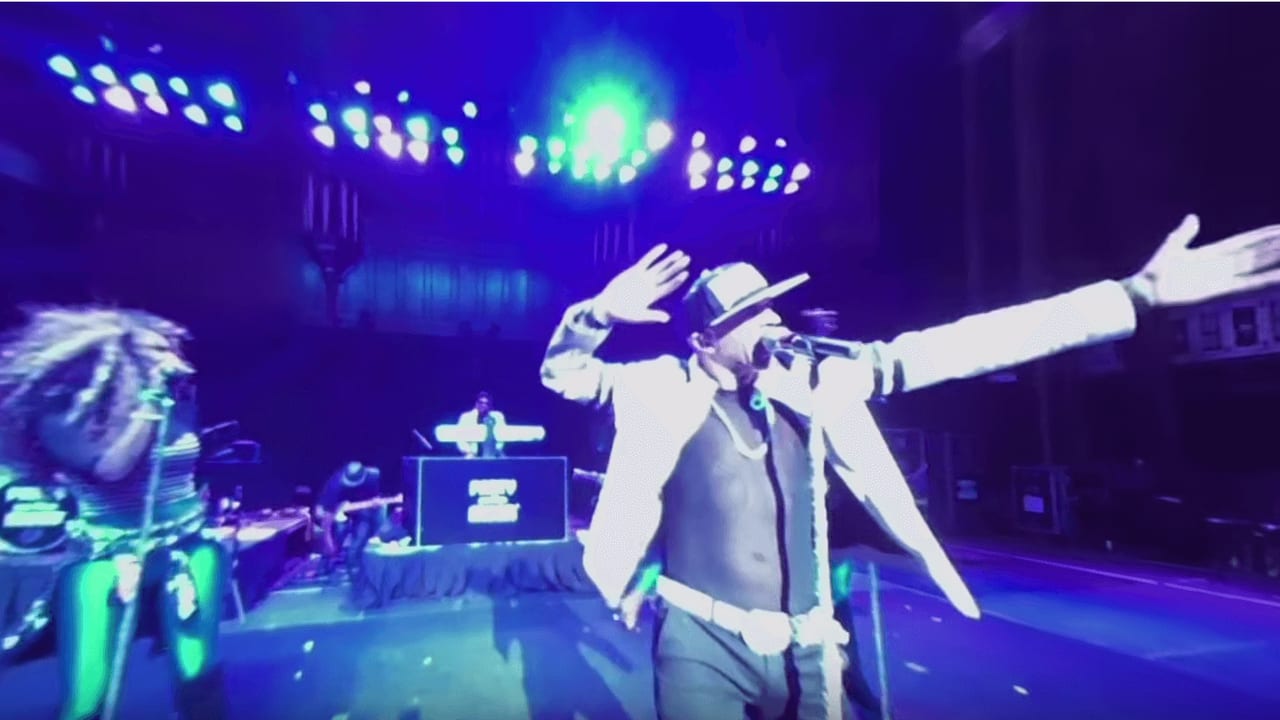
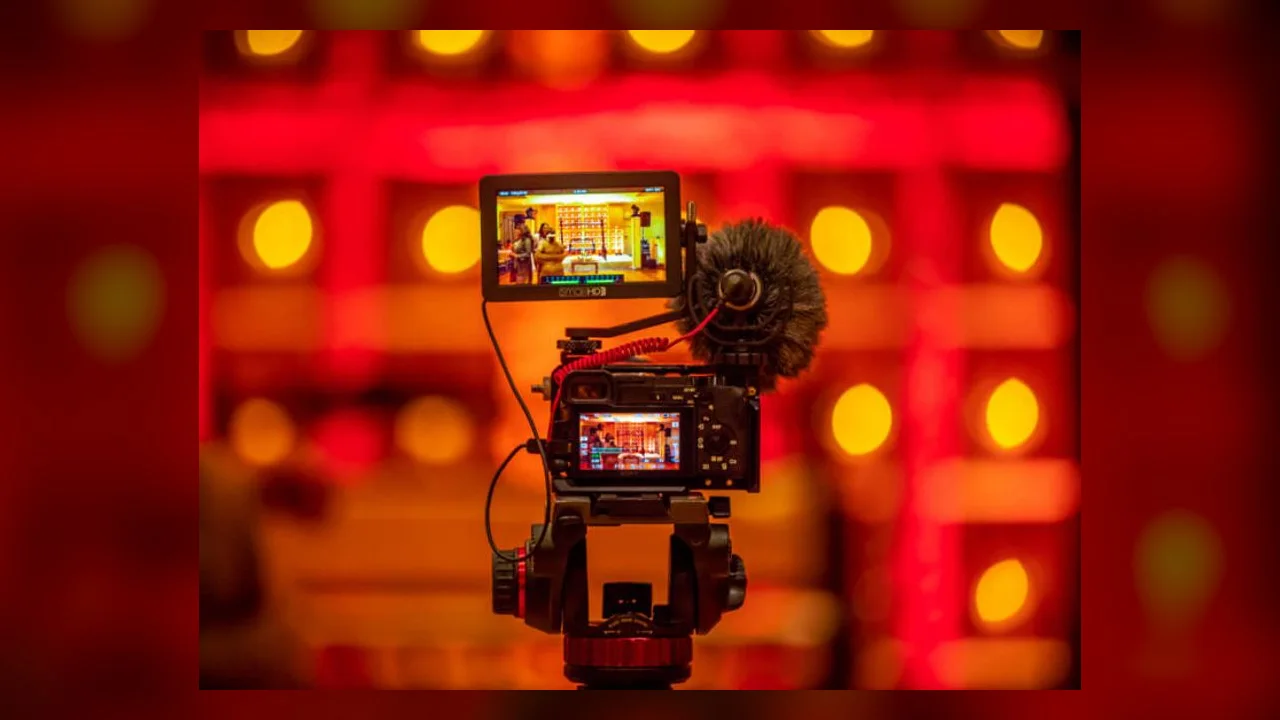
Shooting 360 video requires specialized camera rigs and a different approach to crew placement—no one can appear in the shot, including the camera operator. This often means remote operation and careful choreography. Directors and DPs must collaborate closely to frame scenes that work from every angle, balancing action and visual interest. Communication on set is critical, as traditional cues may not translate when the viewer controls the perspective. ECG Productions’ experience on projects like Sky’s “Missing You” music video illustrates the need for flexibility and experimentation during the shoot.
Post-Production: Stitching, Editing, and Delivering 360 Content
Post-production for 360 video involves stitching footage from multiple lenses into a seamless sphere, a process requiring specialized software and technical expertise. Editors must rethink pacing and transitions since cuts can be disorienting if not handled carefully. Color grading and audio mixing also need adaptation to maintain immersion. Delivery formats vary widely—from VR headsets to social platforms—so understanding distribution requirements is essential. ECG’s post team ensures every step preserves quality and viewer experience.
Balancing Creative Vision and Viewer Control
One of the biggest challenges in 360 video is balancing the director’s narrative intent with the viewer’s freedom to explore. Unlike traditional film, where framing directs attention, 360 video requires trust that viewers will engage with key story elements. This often means designing environments and performances that reward exploration while subtly guiding focus. ECG’s approach emphasizes collaboration between directors, DPs, and editors to craft immersive stories that feel both open and intentional.
FAQ
What equipment is needed to shoot 360 video?
Shooting 360 video typically requires specialized multi-lens camera rigs or dedicated 360 cameras that capture a full spherical view. Additional gear includes stabilizers, remote controls, and software for stitching footage in post-production.
How does directing for 360 video differ from traditional film directing?
Directing 360 video means designing scenes where viewers can look anywhere, so directors must think spatially and create visual cues that guide attention without controlling the frame. It requires new storytelling techniques and collaboration with the production and post teams.
What are common post-production challenges with 360 video?
Post-production challenges include stitching footage seamlessly, managing color grading across multiple lenses, editing without disorienting viewers, mixing spatial audio, and preparing content for various delivery platforms like VR headsets or social media.
What should a team understand about 360 Video Shows How Film is an Evolving Industry?
The useful takeaway is how audience, creative direction, production choices, post-production, approvals, and delivery needs shape the final video plan.
Where should this kind of project start?
Start with the goal, audience, deadline, where the finished piece needs to live, and the practical constraints that will affect creative and production decisions.
How can ECG help with the next step?
ECG can help connect the creative idea to production planning, filming, post-production, versioning, and delivery so the finished work fits the channel and the audience.