Learn practical strategies for directors to trust their DPs, improve on-set workflow, and focus on directing rather than micromanaging camera setups.
This article helps directors and production leaders decide how to collaborate effectively with their Directors of Photography to maximize creative and operational efficiency on set.
Why Directors Should Resist Hovering Over the DP’s Shoulder
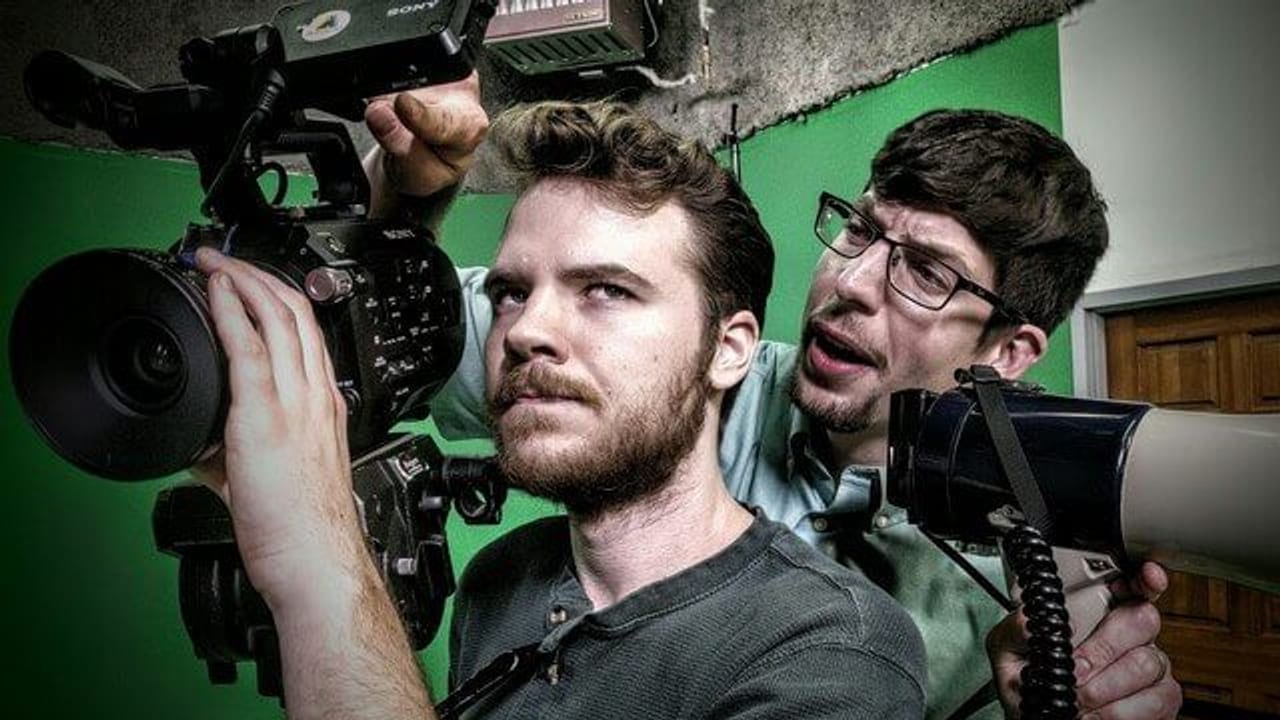
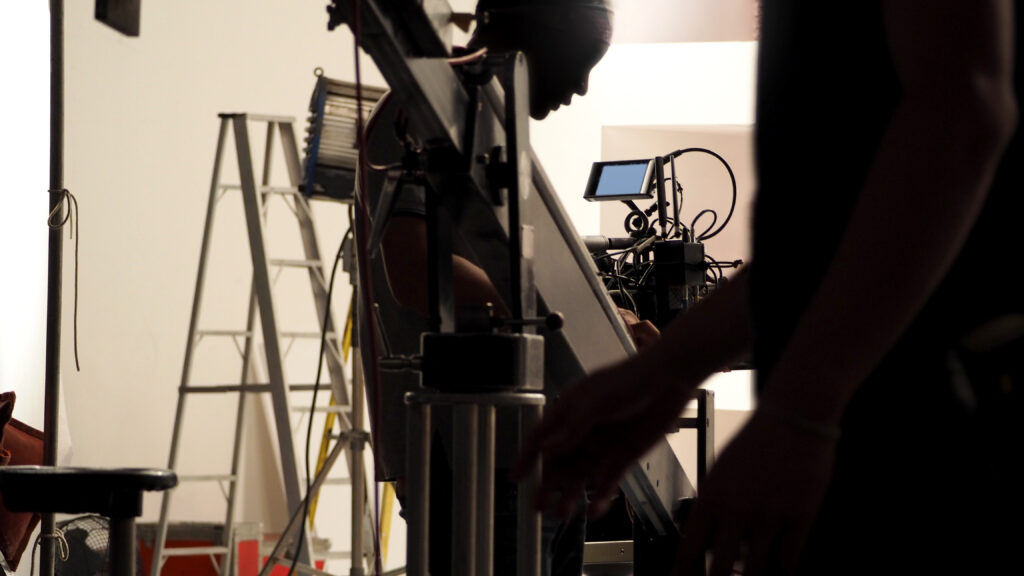
It’s natural for directors to want to see every detail come to life on the monitor during camera setup. But hovering over your Director of Photography (DP) and micromanaging their every move actually slows down production and stifles creativity. Instead of using this time productively, you risk frustrating your camera team and missing critical directing tasks like rehearsing actors or coordinating departments. The best directors trust their DPs to handle technical setups and focus on the bigger picture.
A Better Workflow: Let Your DP Set Up, Then Review
A proven approach is to discuss the shot’s creative intent with your DP upfront, then step away while they set up the camera, lighting, and framing. Use this time to rehearse actors, check wardrobe and makeup, or plan upcoming shots. When the DP signals the setup is ready, review the monitor together and provide notes or tweaks. This workflow respects your DP’s expertise, reduces on-set tension, and keeps production moving smoothly.
How Trust Enhances Creativity and Efficiency
Giving your DP space to work without constant oversight encourages them to experiment and solve problems creatively. This trust builds a collaborative relationship where both director and DP feel valued and empowered. It also frees you up to manage other production elements, anticipate challenges, and keep the shoot on schedule. The result is a more dynamic, efficient set where everyone knows their role and contributes their best work.
Practical Tips for Directors to Stay Productive During Setup
If you find yourself tempted to watch every camera adjustment, shift your focus instead. Use setup time to: - Rehearse lines and blocking with actors - Coordinate with makeup, wardrobe, and art departments - Review the shooting schedule and script notes - Plan for upcoming shots or scenes - Communicate with producers or assistants about logistics These tasks keep you actively engaged in directing without disrupting your DP’s workflow.
Building a Strong Director-DP Partnership
The foundation of a successful shoot is mutual respect and clear communication between director and DP. Start every project by aligning on the visual style, shot priorities, and workflow preferences. Encourage your DP to share ideas and solutions early. When you trust their expertise and give them room to operate, you’ll foster a partnership that elevates the entire production—from pre-production planning through post.
FAQ
Why shouldn’t I watch the monitor while my DP is setting up a shot?
Watching the monitor during setup can lead to micromanaging, which slows down the process and frustrates your DP. It’s more productive to trust your DP to handle technical details while you focus on directing tasks like rehearsing actors or coordinating departments.
How can I build trust with my Director of Photography?
Start by clearly communicating your creative vision and shot intentions upfront. Give your DP space to set up shots independently, then review together. Encourage open dialogue and respect their technical expertise to foster a collaborative partnership.
What should I do during camera setup if I’m not watching the monitor?
Use setup time to rehearse with actors, check wardrobe and makeup, review the schedule, plan upcoming shots, or coordinate with other departments. Staying engaged in these tasks keeps the production moving efficiently without disrupting your DP.
What should a team understand about Directors, Stop Looming Over Your DP's Shoulder and Do Something Useful!?
The useful takeaway is how audience, creative direction, production choices, post-production, approvals, and delivery needs shape the final video plan.
Where should this kind of project start?
Start with the goal, audience, deadline, where the finished piece needs to live, and the practical constraints that will affect creative and production decisions.
How can ECG help with the next step?
ECG can help connect the creative idea to production planning, filming, post-production, versioning, and delivery so the finished work fits the channel and the audience.