Discover how to approach the production of baseball-themed video content with practical planning, capturing key moments, and post-production tips to deliver a compelling story.
Helps video producers and marketers decide how to plan, shoot, and finish baseball-themed video content that captures the sport’s unique rhythm and storytelling potential.
Understanding Baseball’s Unique Storytelling Rhythm
Baseball isn’t a fast-paced sport like basketball or soccer. Its rhythm is deliberate, slow-burning, and suspenseful. For video producers, this means the production strategy must embrace patience and build tension through pacing, not constant action. Planning should focus on capturing moments of quiet anticipation as much as the big plays — the pitcher’s windup, the batter’s stance, the crowd’s reaction. These beats create a cinematic experience akin to a thriller, not an action blockbuster.
Pre-Production: Mapping Out Key Moments and Visual Style
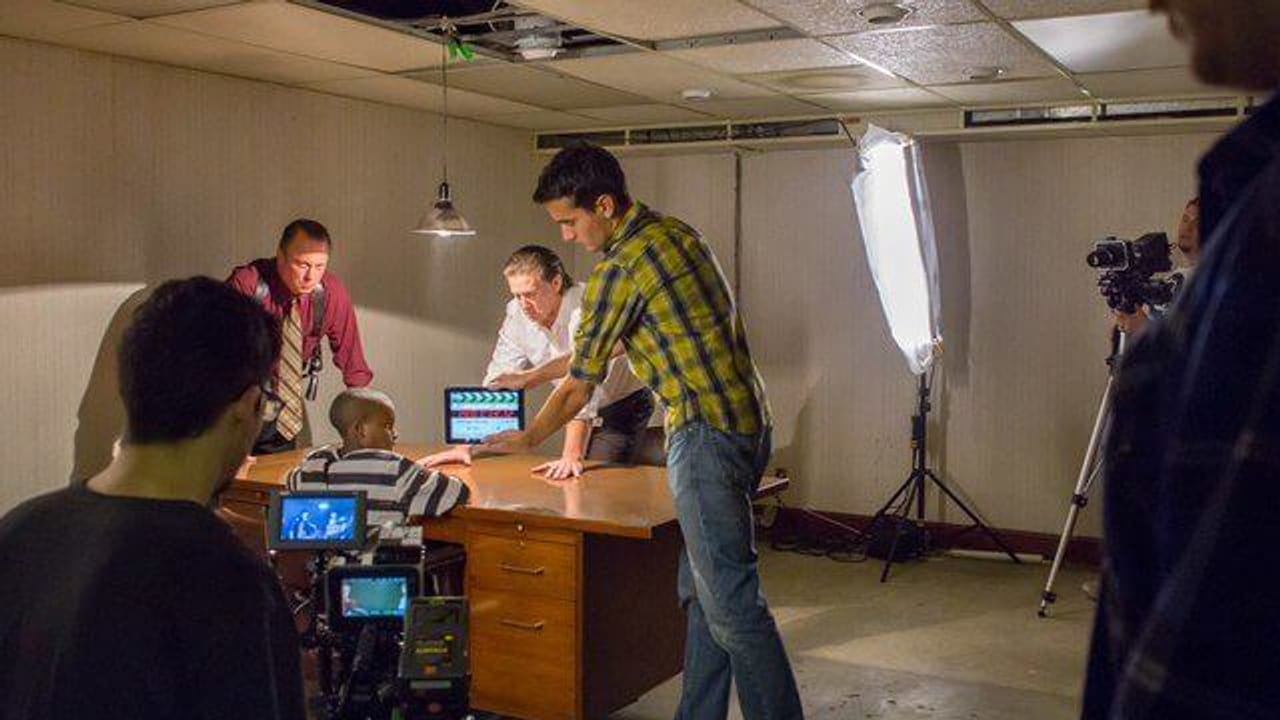
Before rolling cameras, identify the narrative arcs within the game you want to highlight. Are you telling a comeback story, focusing on a legendary player, or capturing the atmosphere of a local ballpark? Pre-production includes scouting locations, securing permissions, and planning for unpredictable elements like weather and game delays. Decide on your visual style early—will you use slow-motion to emphasize tension, handheld for intimacy, or drone shots for scale? This clarity will guide your gear choices and crew setup.
Production: Capturing the Game’s Emotional Highs and Lows
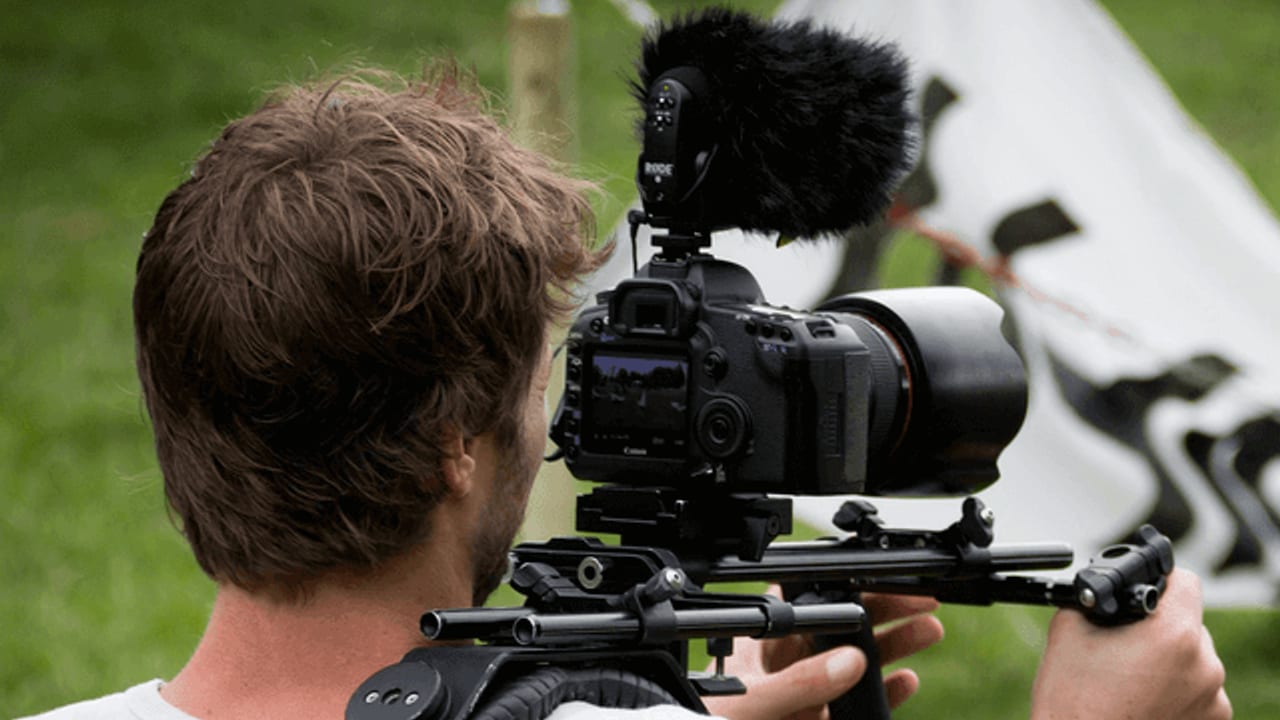
During the shoot, prioritize capturing the emotional highs and lows that define baseball’s drama. This means being ready to film sudden bursts of action—like a home run or a critical strikeout—but also the quiet moments that build suspense. Use multiple camera angles to cover the field comprehensively: close-ups on players’ faces, wide shots of the stadium, and cutaways to fans. Audio capture is equally important—ambient crowd noise, the crack of the bat, and umpire calls all add authenticity.
Post-Production: Editing for Suspense and Narrative Flow
In the edit suite, embrace baseball’s natural pacing by balancing slow builds with bursts of excitement. Use sound design to heighten tension—layer crowd reactions, heartbeat-like music, or silence strategically. Color grading can enhance mood, shifting from warm tones in nostalgic scenes to cooler palettes during tense moments. Consider incorporating graphics or slow-motion replays to clarify complex plays or highlight key stats. The goal is to craft a story that keeps viewers engaged even when the action slows.
Delivery and Rights: Preparing for Distribution and Future Use
Finalize your project with delivery formats tailored to your distribution channels—social media clips, broadcast spots, or long-form documentaries. Secure all necessary rights for music, archival footage, and player likenesses early in production to avoid legal issues later. Plan for versioning if you anticipate repurposing content for different platforms or audiences. Clear approval workflows with stakeholders ensure the final product aligns with brand messaging and legal requirements.
FAQ
How do I keep viewers engaged during slow moments in a baseball video?
Use editing techniques like slow motion, close-ups, and sound design to build tension and highlight the emotional stakes behind each play, turning quiet moments into compelling storytelling beats.
What equipment is best for filming a baseball game?
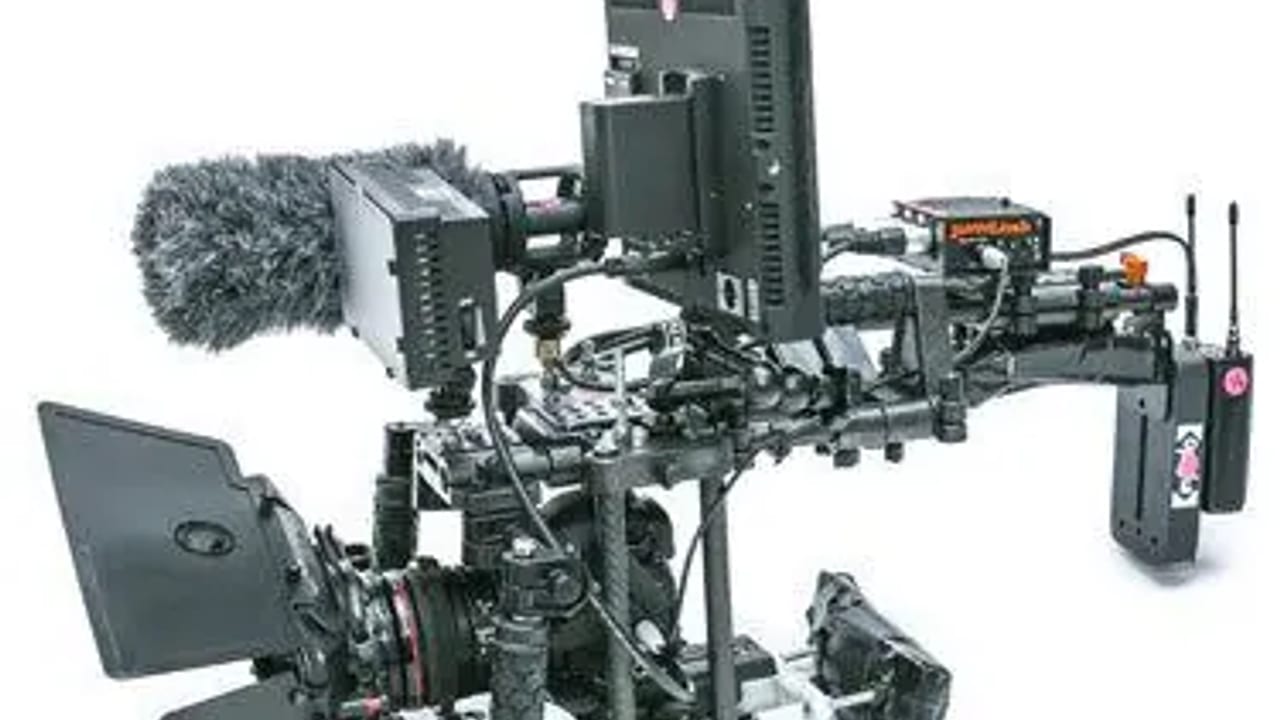
A mix of telephoto lenses for distant action, wide-angle lenses for crowd and stadium shots, and quality audio gear to capture ambient sounds will help you cover the game comprehensively.
How can I handle unpredictable elements like weather or game delays during production?
Plan for flexibility in your schedule, have backup shooting days if possible, and prepare your crew and gear for changing conditions to ensure you capture all key moments despite disruptions.