Explore practical production lessons from Home Diagnosis Ep. 4 at the historic Wyckoff House, focusing on planning, shooting, editing, and animation for compelling educational
Help video producers and marketers plan and execute a cohesive, engaging educational episode blending history, science, and storytelling.
Turning Historical Content into Engaging Video
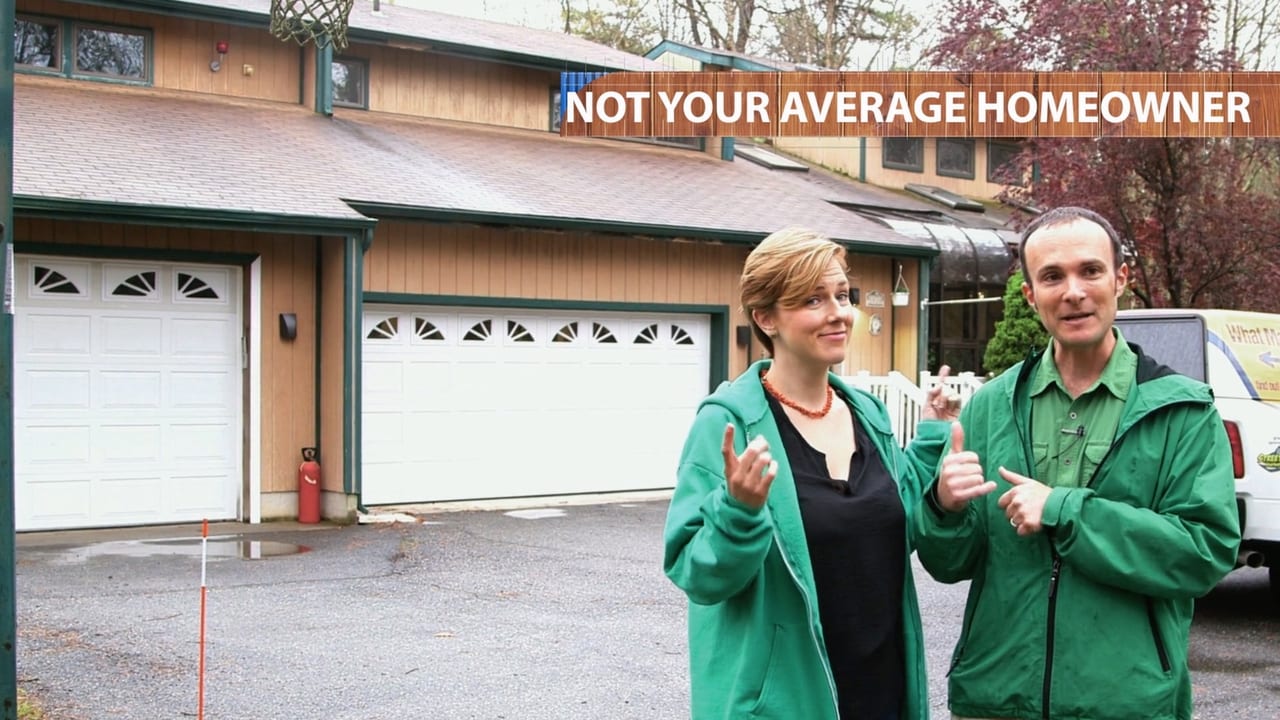
Producing an episode like Home Diagnosis | Ep. 4 at the Wyckoff House means balancing rich historical content with modern storytelling techniques. The production team had to capture the essence of America’s oldest home while making complex home improvement science accessible and visually compelling. This requires early alignment on the story’s core message and the audience’s knowledge level. Planning must include how to visually represent historical elements alongside scientific concepts, ensuring the footage and graphics work together seamlessly.
Pre-Production: Mapping the Story and Visual Needs
Before rolling cameras, the team connected the creative concept to a clear deliverable and distribution plan. Defining who needs to care about the episode and what they already know shaped interview questions and shot lists. Pre-production also involved identifying gaps in footage that might require additional interviews or b-roll. This upfront clarity helps avoid costly reshoots and keeps the episode’s pacing tight and purposeful.
Production: Capturing Authenticity and Detail
On location at the Wyckoff House, production focused on capturing both the historical atmosphere and the hosts’ engaging explanations. Using multiple cameras and careful lighting ensured coverage that could be dynamically edited later. The team also gathered supplemental interviews in a controlled studio environment to fill narrative gaps and provide clarity. This dual approach—on-site authenticity plus studio precision—creates a polished yet genuine feel.
Post-Production: Crafting Cohesion with Editing and Animation
Post-production was critical in shaping the episode’s flow and clarity. Editor Cameron Shaw reviewed all footage to identify where story gaps existed and where pacing could be improved. Custom animations by Lead Animator Trey Gregory added 3D titles and 2D scientific explanations that simplified complex ideas without distracting from the narrative. This blend of live-action and motion graphics elevated the educational value and viewer engagement.
Planning for Success: Audience, Approvals, and Delivery
A successful educational video depends on clear goals and a defined approval process. Early conversations about who approves the content, where it will be distributed, and what success looks like help keep production on track. Bringing existing assets, brand guidelines, and deadlines into the initial planning phase allows producers to recommend the right mix of strategy, production, and post-production services. This structured approach ensures the final video is not just finished, but effective.
FAQ
How do you balance historical accuracy with engaging storytelling in video production?
Balancing accuracy and engagement starts with thorough research and a clear story plan. Use authentic location footage and expert interviews to ground the story, then employ pacing, music, and graphics to maintain viewer interest without oversimplifying.
What role do custom animations play in educational video content?
Custom animations help break down complex concepts visually, making them easier to understand. They can highlight details that live-action footage can’t capture and add polish that reinforces the brand’s professionalism.
Why is early planning of approvals and distribution important in video production?
Knowing who approves the content and where it will be shown informs creative decisions, timing, and technical specs. Early alignment prevents delays and ensures the video meets all stakeholder expectations and platform requirements.
What should a team understand about Home Diagnosis | Ep. 4 - New York, NY?
The useful takeaway is how audience, creative direction, production choices, post-production, approvals, and delivery needs shape the final video plan.
Where should this kind of project start?
Start with the goal, audience, deadline, where the finished piece needs to live, and the practical constraints that will affect creative and production decisions.
How can ECG help with the next step?
ECG can help connect the creative idea to production planning, filming, post-production, versioning, and delivery so the finished work fits the channel and the audience.