Channels change. Audience attention does not get easier.
Platform tactics evolve, but the useful question stays the same: what the viewer needs to understand, feel, remember, or do after watching.
Business
Learn how to plan your film’s distribution from day one. Discover key strategies to attract distributors, identify your audience, and secure deals that maximize your film’s reach
 Written byJason SirotinPartner, Producer & Director
Business
Marketing video guidance for teams planning content that has to perform.
Marketing Context
A strong marketing video is not just a finished file. It needs a clear audience, a useful hook, the right versions, smart placement, and a reason for someone to care after the first few seconds.
Platform tactics evolve, but the useful question stays the same: what the viewer needs to understand, feel, remember, or do after watching.
Marketing video usually needs cutdowns, thumbnails, captions, channel-specific openings, paid-media crops, landing-page context, and a path from awareness into action.
Before production, connect the concept to where it will run: website, paid social, sales, broadcast, CTV, email, events, internal launch, or campaign support.
Article
Learn how to plan your film’s distribution from day one. Discover key strategies to attract distributors, identify your audience, and secure deals that maximize your film’s reach
This article helps filmmakers and producers plan effective distribution strategies to secure deals and reach their target audience.
The most critical production truth is this: distribution isn’t an afterthought—it begins the moment you commit to making your film. Waiting until post-production to think about how your film will reach audiences is a costly mistake. From budgeting to casting, every decision should consider what will make your film attractive to distributors and viewers. For example, securing recognizable talent or aligning your story with timely social issues can significantly improve your film’s marketability. Early distribution planning shapes your production strategy, ensuring you allocate resources to elements that increase your film’s commercial potential.
Understanding who will watch your film and why is essential. Distributors look for projects with clear, reachable audiences. Films tied to social movements or niche communities often find easier paths to distribution. For instance, documentaries about health or environmental issues can tap into passionate, built-in audiences, making them attractive to platforms like iTunes or Netflix. Research similar films that have sold well, analyze their audience demographics, and tailor your production and marketing approach accordingly. This insight informs choices from script development to promotional strategies.
Distributors want films that look and sound professional. Investing in skilled crew, quality gear, and experienced post-production teams is non-negotiable. Even low-budget films benefit from strong cinematography, sound design, and editing. Additionally, attaching a bankable name—even a modestly known actor or influencer—can open doors. While it’s challenging for indie projects to land big stars, even emerging talent with a following can boost your film’s appeal. Prioritize a realistic post-production budget to avoid delays and ensure your film is polished and ready for market.
Distributors prioritize films that promise quick returns. They often look for elements like recognizable talent, compelling content (including sex, violence, or social relevance), and clear audience demand. A distributor’s primary concern is whether they can sell the film effectively. For example, a film about a trending social issue or a popular niche topic is more likely to attract interest. Knowing these expectations helps you make informed creative and business decisions during production, increasing your chances of securing a distribution deal.
Distribution involves more than just finding a buyer—it requires strategic planning around rights, platforms, and timelines. Decide upfront which territories, formats (theatrical, streaming, DVD), and rights you will offer. Clear contracts and rights management prevent costly legal hurdles later. Consider hybrid distribution models or partnering with sales agents who specialize in your film’s genre. Early planning also includes preparing marketing materials, festival submissions, and press kits to support your sales efforts. Aligning these elements before your film is finished streamlines the path to market.
Distribution planning should begin as soon as you decide to make your film. Early planning influences key production decisions that affect your film’s marketability and sales potential.
While not always necessary, attaching a bankable or recognizable name can significantly improve your chances of securing a distribution deal, especially for lower-budget films.
Films connected to social issues, niche audiences, or trending topics often find distribution more readily. Documentaries with built-in audiences or stories tied to current movements are examples.
The useful takeaway is how audience, creative direction, production choices, post-production, approvals, and delivery needs shape the final video plan.
Start with the goal, audience, deadline, where the finished piece needs to live, and the practical constraints that will affect creative and production decisions.
ECG can help connect the creative idea to production planning, filming, post-production, versioning, and delivery so the finished work fits the channel and the audience.
Related ECG Portfolio Video
Use ECG Productions | 2014 Show Reel as an ECG-produced reference for How to Get Your Film Distributed: Practical Steps for Producers. Compare the audience, tone, distribution plan, and production choices before turning the article into a creative brief.
Vertical Vimeo
A legacy ECG show reel preserved as proof of range, style, pacing, and production history across multiple kinds of work. Use it as an archive reference for the company's visual taste and category breadth, then compare newer portfolio examples for the most current finish, media, and production approach.
Visual Context
Articles perform better when readers can see what the thinking points toward. This visual break connects the topic to ECG production, post-production, real examples, and the next practical decision instead of leaving the page as a long read with no visual rhythm.
See related workArticle FAQ
These answers add practical context for the decisions that usually sit behind business work: scope, timing, creative direction, production approach, and what the finished piece needs to accomplish.
Distribution planning should begin as soon as you decide to make your film. Early planning influences key production decisions that affect your film’s marketability and sales potential.
While not always necessary, attaching a bankable or recognizable name can significantly improve your chances of securing a distribution deal, especially for lower-budget films.
Films connected to social issues, niche audiences, or trending topics often find distribution more readily. Documentaries with built-in audiences or stories tied to current movements are examples.
The useful takeaway is how audience, creative direction, production choices, post-production, approvals, and delivery needs shape the final video plan.
Start with the goal, audience, deadline, where the finished piece needs to live, and the practical constraints that will affect creative and production decisions.
ECG can help connect the creative idea to production planning, filming, post-production, versioning, and delivery so the finished work fits the channel and the audience.
Next Step
When an article sounds like your project, compare the relevant service path and nearby work before you make a production decision.
Read Next
Strategy
Strategy
Why High-Quality Video Production Matters for Your Brand is a strategy read for teams deciding who the video needs to reach, what it needs to say, where it will live, and what has to be clear before production dollars move.
Read article
On Set
Craft
A practical look at what formal training teaches, what the set teaches, and why the best filmmakers need both.
Read article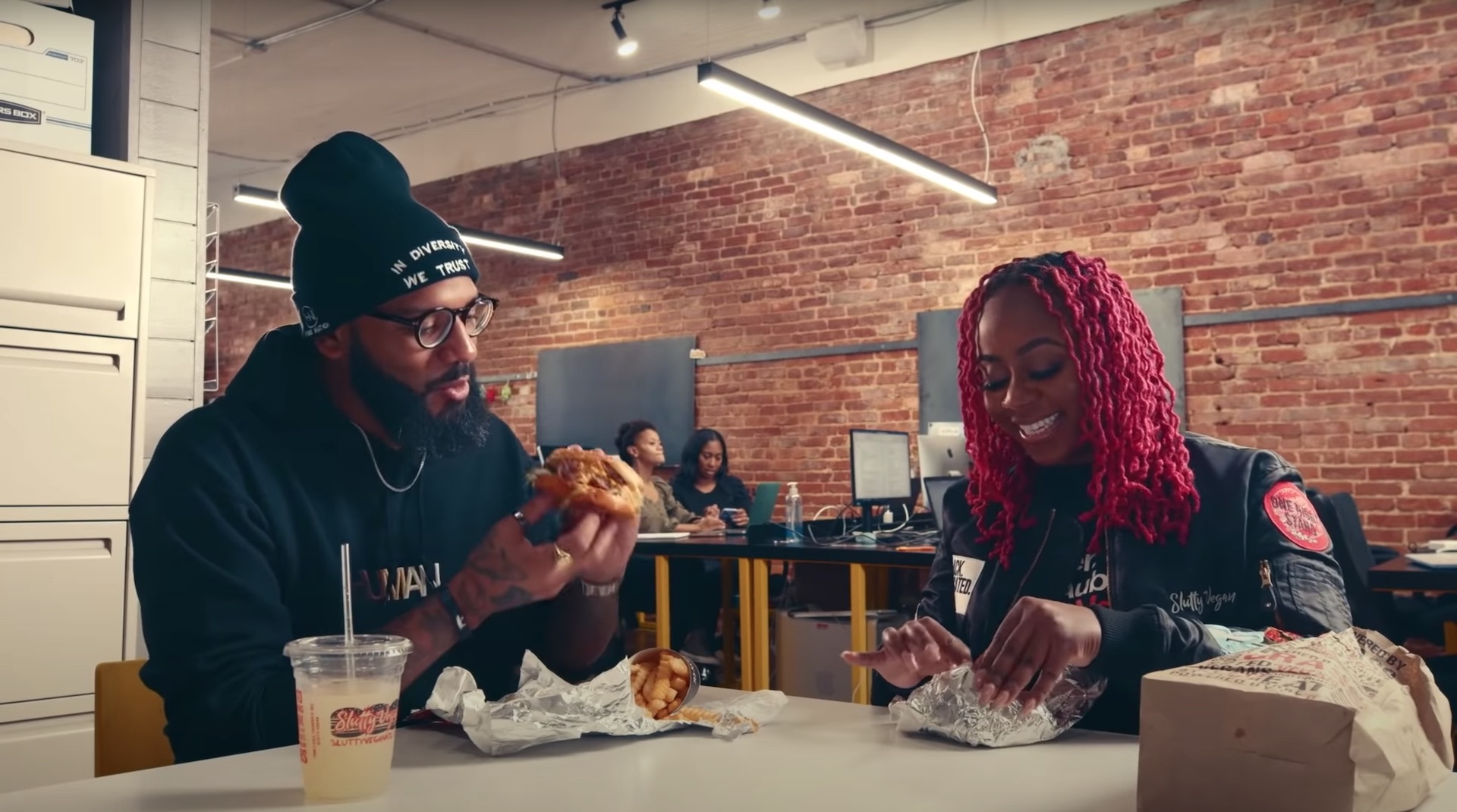
Strategy
Performance
Where corporate video creates return, how to measure it, and why a stronger brief changes the economics.
Read article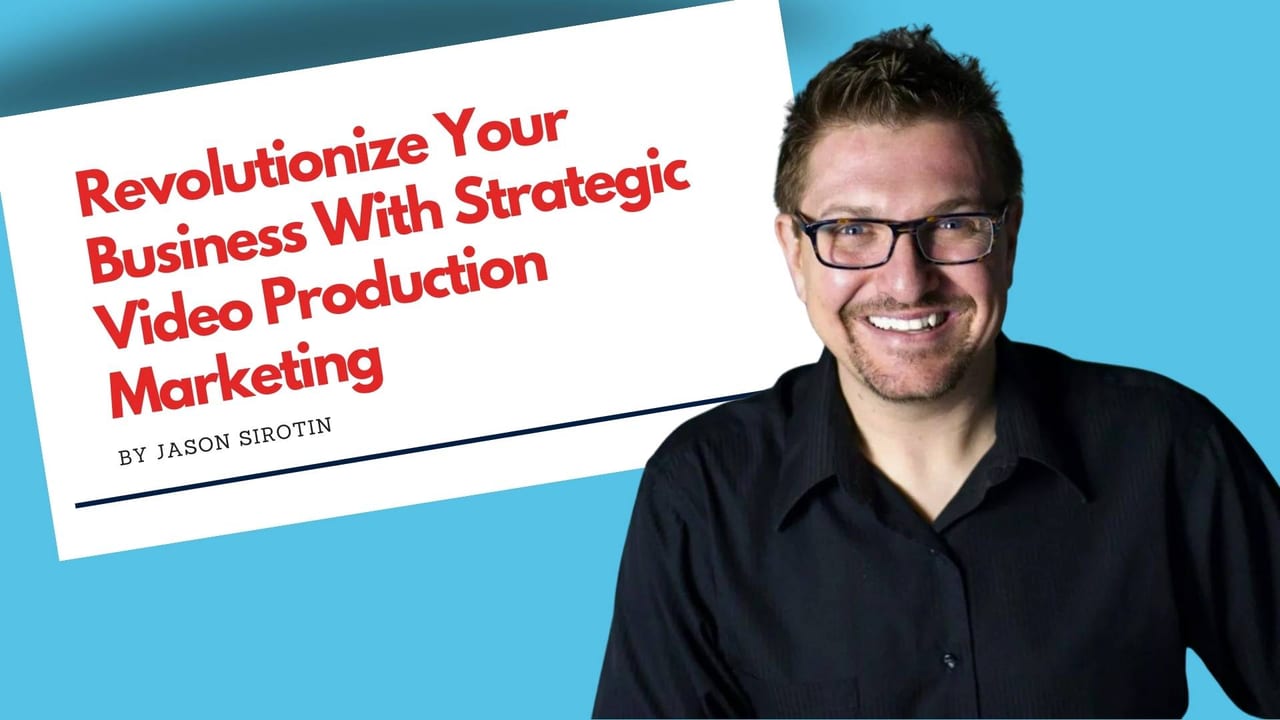
Strategy
Strategy
Mastering YouTube SEO for Sky-High Rankings and Unmatched Engagement is a strategy read for teams deciding who the video needs to reach, what it needs to say, where it will live, and what has to be clear before production dollars move.
Read article
Production
Production
The Influence of Hollywood on Independent Film: Inspiration, Impact, and Industry Tensions is a production read about what needs to be planned, captured, protected, and handed to post so the finished piece has a real chance to work.
Read article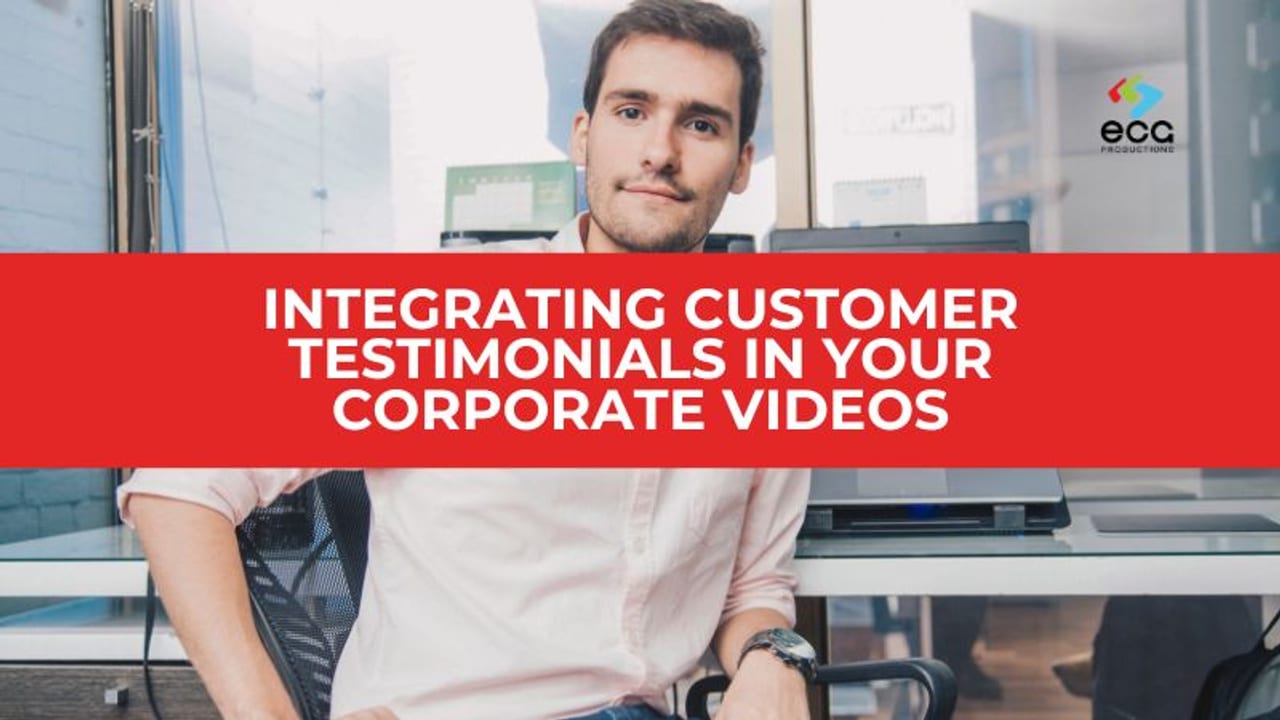
Strategy
Strategy
Integrating Customer Testimonials in Your Corporate Videos is a strategy read for teams deciding who the video needs to reach, what it needs to say, where it will live, and what has to be clear before production dollars move.
Read articleKeep Exploring
Related services, examples, and deeper reads add context around the creative choices, production decisions, and tradeoffs behind this topic.
Services
These service paths show where the production, post, animation, or package conversation usually goes next.
Service
Event video production for teams that need the story, energy, speakers, audience, and proof of a live moment captured for people who were not in the room.
Open pageService
AI video creation support for teams that want to use generative tools responsibly without sacrificing strategy, production judgment, brand trust, or visual quality.
Open pageService
AI Video Pre-Visualization from ECG Productions helps preview the idea, test the shape of the story, and make creative decisions easier to approve.
Open pageService
Animatics from ECG Productions helps preview the idea, test the shape of the story, and make creative decisions easier to approve.
Open pageWork
These examples show what the service, article, or category can look like in finished work.
Branded Content
Wyclef Jean and more Talent | Hello My Name Is… Episode 6 is story-led brand work, which means the finished piece has to show more than polish. The important read is...
Open pageBranded Content
Dixson, and more Talent | Hello My Name Is… Episode 8 is story-led brand work, which means the finished piece has to show more than polish. The important read is how...
Open pageBranded Content
Coco Jones, and more Talent | Hello My Name Is… Episode 5 is story-led brand work, which means the finished piece has to show more than polish. The important read is...
Open pageRelated articles
These pieces add context around process, budget, creative choices, common mistakes, and what to ask next.
Strategy
How to Find the Best Video Production Company for Your Business is a strategy read for teams deciding who the video needs to reach, what it needs to say, where it wi...
Open pageStrategy
Video Performance Metrics: How to Evaluate and Improve Your Video’s Impact is a strategy read for teams deciding who the video needs to reach, what it needs to say,...
Open pageStrategy
How to Effectively Tell Your Brand's Story Through Video is a strategy read for teams deciding who the video needs to reach, what it needs to say, where it will live...
Open pageStrategy
Animation vs Live Action | How to Choose the Right Format for Your Video is a strategy read for teams deciding who the video needs to reach, what it needs to say, wh...
Open pageNext step
When this starts to sound like your situation, bring ECG the goal and the constraints.
Share This Article
Share the article, project, or service page with a teammate, client, producer, or stakeholder who needs the context before the next decision.