Learn practical strategies for incorporating authentic customer testimonials into your corporate videos to boost credibility, engagement, and conversion.
Help marketing and production teams decide how to strategically include customer testimonials in corporate videos for maximum impact.
Why Customer Testimonials Matter in Corporate Videos
Customer testimonials bring a unique layer of authenticity and trust to corporate videos. In a landscape crowded with polished marketing messages, real voices from real customers cut through the noise. They humanize your brand and provide social proof that your products or services deliver on promises. When viewers see genuine customer experiences, it builds credibility and motivates action more effectively than traditional advertising alone.
How to Collect Genuine Testimonials That Work On Camera
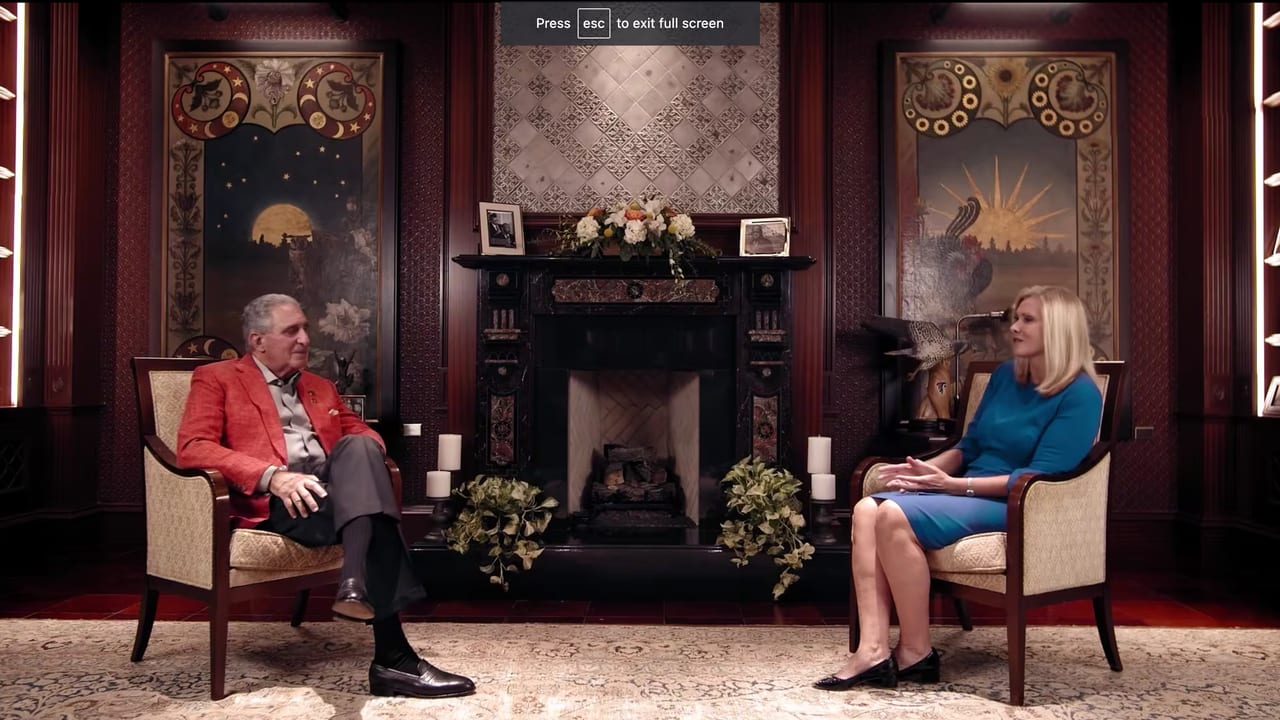
Start by identifying customers who have had meaningful success with your brand. Reach out with clear communication about how their stories will be used, ensuring transparency and permission. Conduct interviews with open-ended questions to capture authentic, unscripted responses. If in-person interviews aren’t feasible, high-quality remote recordings can work with proper guidance. Supplement these with curated online reviews or social media feedback, but always prioritize testimonials that feel natural and relatable on screen.
Crafting a Narrative That Integrates Testimonials Seamlessly
A testimonial is strongest when it supports a clear story. Structure your video around a relatable problem your audience faces, then introduce your product or service as the solution. Weave customer testimonials throughout to validate your claims and add emotional resonance. Use smooth transitions and consistent tone—professional but approachable—to keep viewers engaged. Avoid dropping testimonials in isolation; instead, make them integral to the story arc for maximum impact.
Production Tips for Authentic and Polished Testimonial Videos
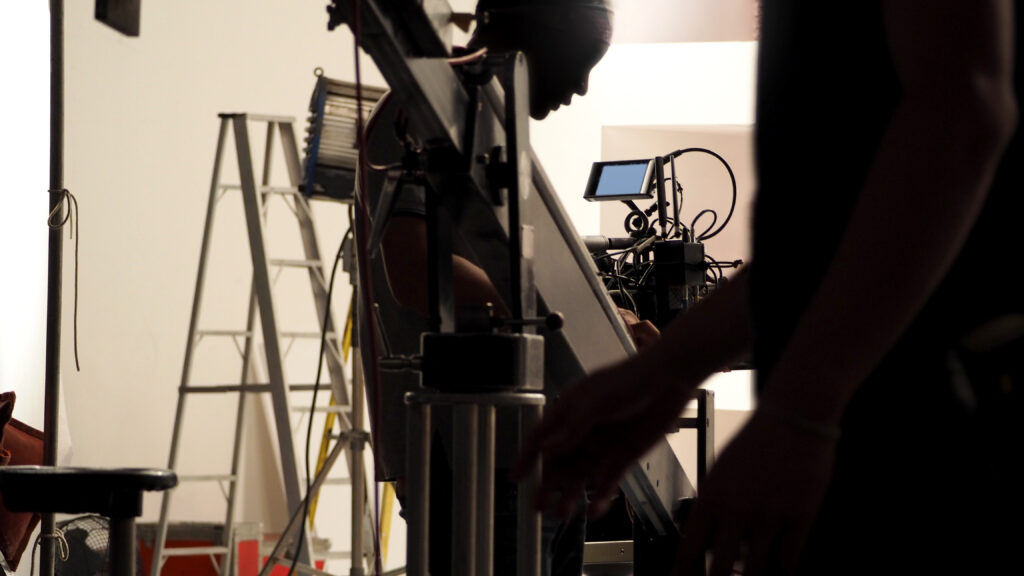
High production quality matters, but authenticity is key. Use professional lighting and sound to capture customers clearly, but avoid over-scripting their responses. Encourage natural conversation to reveal genuine emotion and detail. Select diverse customers who represent your target audience to broaden appeal. Plan for multiple camera angles or B-roll to add visual interest without distracting from the testimonial. Post-production should focus on clean edits, balanced audio, and consistent branding elements.
Distributing Your Testimonial Videos to Maximize Reach and Impact
Once your testimonial video is ready, optimize it for discovery and engagement. Use relevant keywords in titles, descriptions, and tags for SEO. Embed videos on your website’s key pages and share across social media channels with tailored captions. Consider email campaigns or paid promotion to target specific audiences. Monitor performance metrics and gather viewer feedback to refine future testimonial content. Remember, distribution is as strategic as production in making your video work hard for your brand.
FAQ
What makes a customer testimonial effective in a corporate video?
An effective testimonial feels authentic, tells a relatable story, and clearly communicates the benefits experienced. It should be unscripted, emotionally engaging, and aligned with your brand’s message.
How do I get permission to use customer testimonials in videos?
Always ask customers for explicit permission before using their testimonials. This can be done through release forms or written agreements that specify how their content will be used and distributed.
Can I use online reviews as testimonials in my videos?
Yes, online reviews can be valuable sources of authentic feedback. However, it’s best to feature customers on camera or in voice to enhance credibility. If using written reviews, ensure you have permission and present them visually in a compelling way.
What should a team understand about Integrating Customer Testimonials in Your Corporate Videos?
The useful takeaway is how audience, creative direction, production choices, post-production, approvals, and delivery needs shape the final video plan.
Where should this kind of project start?
Start with the goal, audience, deadline, where the finished piece needs to live, and the practical constraints that will affect creative and production decisions.
How can ECG help with the next step?
ECG can help connect the creative idea to production planning, filming, post-production, versioning, and delivery so the finished work fits the channel and the audience.