Discover practical production insights from the Mark Esoda mini-documentary to help you plan, produce, and deliver short-form documentaries that truly connect with your audience.
Help readers make informed production decisions for short-form documentary videos by applying lessons from the Mark Esoda mini-doc.
Why the Mark Esoda Mini-Doc Matters for Your Production
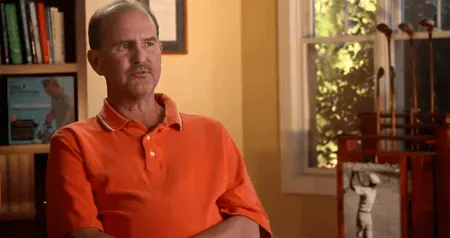
Short documentaries like the Mark Esoda mini-doc show how a focused story about a real person can engage a specific audience effectively. This video, originally made for the Georgia State Golf Association, highlights the importance of aligning story, audience, and distribution early in the production process. Understanding this alignment helps you avoid common pitfalls like unclear messaging or mismatched pacing that can dilute your documentary’s impact.
From Idea to Plan: Turning a Concept into a Production Brief
A great documentary concept becomes a powerful video only when it’s connected to real-world production details. For the Mark Esoda mini-doc, this meant defining who needed to care about the story, what they already knew, and what new information the video had to deliver. It also involved setting clear deliverables, deadlines, and approval workflows. This practical approach ensures the creative idea translates into a production brief that guides every stage — from pre-production planning to final delivery.
Key Production Questions to Sharpen Your Documentary Focus
Before cameras roll, ask: Who is the core audience? What do they need to feel or learn? Where will the video be shown? Who signs off on the final cut? For Mark Esoda’s mini-doc, these questions shaped the interview style, pacing, and visual tone. They also helped define success beyond just completing the video — focusing instead on audience engagement and message clarity. Answering these questions early keeps your production on track and your story resonant.
How ECG Supports Your Documentary Journey
ECG Productions offers tailored services across strategy, pre-production, production, post-production, and campaign planning to fit your documentary’s unique needs. Whether you’re refining your story, managing shoot logistics, or polishing the edit and sound design, ECG brings experience from sports and fitness documentaries like the Mark Esoda mini-doc. Explore our <a href="/services/video-production/">video production services</a>, review relevant <a href="/portfolio/">portfolio examples</a>, and reach out via <a href="/contact/">contact</a> to start your project with confidence.
Using References to Guide Your Production Choices
Bringing references like the Mark Esoda mini-doc to your production conversations helps clarify your vision. Point out what pacing, tone, interview style, or visual polish matches your goals — and also what doesn’t. This contrast sharpens the brief and helps your production partner deliver exactly what you need. Including notes on sound design, animation, or call-to-action elements further ensures your documentary hits the right emotional and strategic notes.
FAQ
What makes a short documentary like the Mark Esoda mini-doc effective?
Its effectiveness comes from a clear focus on a specific subject, a well-defined audience, and production choices that support the story’s emotional and informational goals.
How can I ensure my documentary stays on schedule and budget?
Start with a detailed production brief that includes audience, deliverables, deadlines, and approval processes. Regular check-ins during production and post-production help keep the project aligned and on track.
What role do references play when planning a documentary?
References provide concrete examples of pacing, tone, and style that help your production team understand your vision and avoid misunderstandings during the creative process.
What should a team understand about Mark Esoda | Mini-Doc?
The useful takeaway is how audience, creative direction, production choices, post-production, approvals, and delivery needs shape the final video plan.
Where should this kind of project start?
Start with the goal, audience, deadline, where the finished piece needs to live, and the practical constraints that will affect creative and production decisions.
How can ECG help with the next step?
ECG can help connect the creative idea to production planning, filming, post-production, versioning, and delivery so the finished work fits the channel and the audience.