ECG Productions
ECG Blog

Planning

How to Successfully Adapt Books and Media for Film and Television

Discover practical strategies for adapting novels and other media into compelling films or TV shows. Learn how to balance story, scope, and production decisions to honor the

Updated Jun 28, 20263 min readPlanning
Novel Ideas: Keys to Successfully Adapting Media for Film and Television article image for pre-production, scripting, and production planning.

Planning

Production context from the work that happens before, during, and after the shoot.

Production Context

See the planning choices behind a stronger shoot.

A stronger shoot starts with the real production variables: what has to be captured, what can go wrong, what the edit will need, and how the crew keeps the day moving toward the finished piece.

The real value is in what the shoot protects.

Behind-the-scenes and production articles are useful because they reveal planning, crew decisions, location realities, sound, lighting, schedule pressure, and the practical choices that make the final piece possible.

Better production questions start here.

If you are planning a similar shoot, ask what has to be captured, what can go wrong, what the edit needs, who has approval, and what the crew must know before the day starts.

Look for the handoff into post.

Strong production is not finished when the shoot wraps. The footage, notes, sound, continuity, and media workflow need to give post-production enough room to shape the final piece.

Article

Discover practical strategies for adapting novels and other media into compelling films or TV shows. Learn how to balance story, scope, and production decisions to honor the

Help producers and marketers decide how to approach adapting media for screen with smart production planning and creative alignment.

Why Adapting Books and Media for Screen Is a Complex Production Challenge

Adapting a beloved book or other media into a film or television series is more than just translating words to visuals. It requires strategic decisions across pre-production, scripting, production, and post to balance what’s essential to the story with what works on screen. You must consider scope, pacing, character arcs, and audience expectations while managing budget and schedule constraints. This complexity means every adaptation is a unique production puzzle.

Balancing Story and Scope: What to Keep, What to Cut, and What to Change

No adaptation can include every detail from its source. The key is identifying the story’s core themes and characters that must shine through. For example, the Lord of the Rings trilogy trimmed or omitted characters like Tom Bombadil to maintain narrative focus and pacing, while preserving iconic dialogue and relationships. Conversely, The Hobbit films expanded their cast and subplots, which stretched the story thin and diluted impact. Smart adaptations make deliberate cuts and additions that serve the screen story, not just the source material.

Creative Alignment: Collaborating Across Departments to Honor the Source

Successful adaptations require early and ongoing collaboration between producers, writers, directors, designers, and post teams. Pre-production planning should align on tone, visual style, and character interpretation to ensure consistency. For example, costume and set design must reflect the source world authentically but also accommodate production realities. Editors and colorists refine pacing and mood in post to support the adapted narrative. This alignment helps the final product feel cohesive and respectful of the original.

Avoiding Common Pitfalls: Overstuffed Casts and Unnecessary Additions

Adding new characters or stretching a short book into multiple films can backfire if not handled carefully. Overloading the cast makes it difficult to develop emotional connections, and padding the story risks losing audience engagement. The Hobbit trilogy’s addition of new characters like Tauriel and expanded subplots illustrates this risk. Instead, focus on deepening existing characters and streamlining the narrative to keep viewers invested and the production manageable.

Practical Production Tips for Adaptation Projects

Start with a detailed script development phase that tests which story elements work on screen. Use storyboards and animatics to visualize pacing and scene transitions early. Plan for flexible shooting schedules to accommodate complex scenes or effects. Secure rights and clearances early to avoid legal delays. In post-production, prioritize editorial decisions that enhance clarity and emotional impact. Finally, plan your distribution and marketing with the adaptation’s unique audience in mind to maximize reach and reception.

FAQ

How do you decide which parts of a book to keep or cut in an adaptation?

Focus on the story’s core themes, essential character arcs, and scenes that drive the narrative forward. Collaborate with writers and producers to identify what translates effectively to screen, and be willing to cut or combine elements that don’t serve the adapted story.

Is it better to create new characters or stick strictly to the source material?

New characters can add fresh perspectives or help streamline the story, but they should be introduced thoughtfully and serve a clear purpose. Overloading the cast risks confusing audiences and diluting the story’s impact.

What are key production considerations unique to adapting media for film or TV?

Adaptations require careful scope management, clear creative alignment, and flexible scheduling to handle complex scenes or effects. Rights clearance, script development, and post-production editing are also critical to honor the source material while delivering a polished final product.

What should a team understand about Novel Ideas: Keys to Successfully Adapting Media for Film and Television?

The useful takeaway is how audience, creative direction, production choices, post-production, approvals, and delivery needs shape the final video plan.

Where should this kind of project start?

Start with the goal, audience, deadline, where the finished piece needs to live, and the practical constraints that will affect creative and production decisions.

How can ECG help with the next step?

ECG can help connect the creative idea to production planning, filming, post-production, versioning, and delivery so the finished work fits the channel and the audience.


Related ECG Portfolio Video

See the article idea in finished ECG work.

Use The Fat Boy Chronicles as an ECG-produced reference for How to Successfully Adapt Books and Media for Film and Television. Compare the audience, tone, distribution plan, and production choices before turning the article into a creative brief.

YouTubeFeature Film TrailerEditorially matched work
Open the project

Feature film trailer

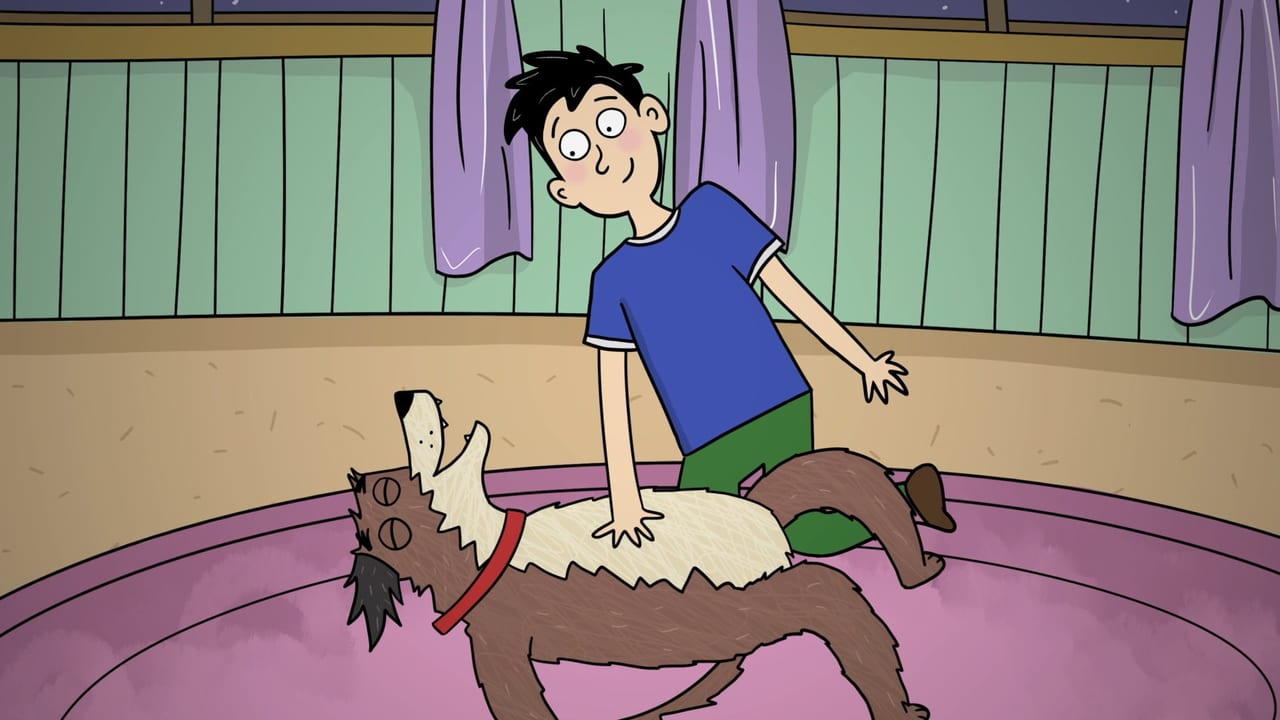
The Fat Boy Chronicles

A feature-film trailer for The Fat Boy Chronicles, produced by Tin Roof Films in association with ECG Productions, connecting a book-based bullying story to a finished screen project with a clear audience and distribution context.

Visual Context

Connect the article to the kind of work people can actually picture.

Articles perform better when readers can see what the thinking points toward. This visual break connects the topic to ECG production, post-production, real examples, and the next practical decision instead of leaving the page as a long read with no visual rhythm.

See related work

Article FAQ

Practical answers for the production decision.

These answers add practical context for the decisions that usually sit behind planning work: scope, timing, creative direction, production approach, and what the finished piece needs to accomplish.

How do you decide which parts of a book to keep or cut in an adaptation?

Focus on the story’s core themes, essential character arcs, and scenes that drive the narrative forward. Collaborate with writers and producers to identify what translates effectively to screen, and be willing to cut or combine elements that don’t serve the adapted story.

Is it better to create new characters or stick strictly to the source material?

New characters can add fresh perspectives or help streamline the story, but they should be introduced thoughtfully and serve a clear purpose. Overloading the cast risks confusing audiences and diluting the story’s impact.

What are key production considerations unique to adapting media for film or TV?

Adaptations require careful scope management, clear creative alignment, and flexible scheduling to handle complex scenes or effects. Rights clearance, script development, and post-production editing are also critical to honor the source material while delivering a polished final product.

What should a team understand about Novel Ideas: Keys to Successfully Adapting Media for Film and Television?

The useful takeaway is how audience, creative direction, production choices, post-production, approvals, and delivery needs shape the final video plan.

Where should this kind of project start?

Start with the goal, audience, deadline, where the finished piece needs to live, and the practical constraints that will affect creative and production decisions.

How can ECG help with the next step?

ECG can help connect the creative idea to production planning, filming, post-production, versioning, and delivery so the finished work fits the channel and the audience.

Next Step

Connect the article to ECG services and work.

When an article sounds like your project, compare the relevant service path and nearby work before you make a production decision.

Read Next

Keep learning before you decide what to make.

Back to the blog
Hachette Book Group | Sweet Child O’ Mine, by Guns N’ Roses - Book Trailer article image from ECG Productions.

Blog

Blog

Hachette Book Group | Sweet Child O’ Mine, by Guns N’ Roses - Book Trailer

An ECG field note on Hachette Book Group | Sweet Child O’ Mine, by Guns N’ Roses - Book Trailer, with practical production context for the choices that shape what the audience sees and hears.

Read article
Hachette Book Group | Things I Wish I Told My Mother article image from ECG Productions.

Blog

Blog

Hachette Book Group | Things I Wish I Told My Mother

An ECG field note on Hachette Book Group | Things I Wish I Told My Mother, with practical production context for the choices that shape what the audience sees and hears.

Read article
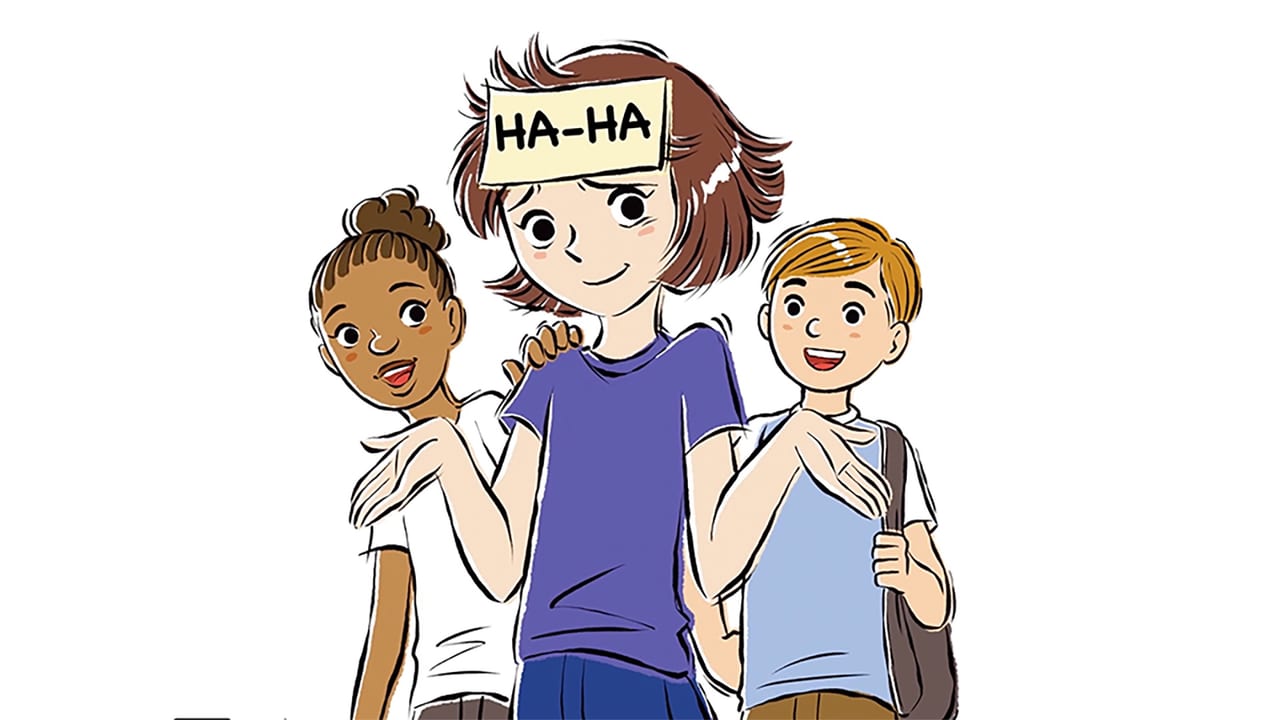
James Patterson | Best Nerds Forever - Animated Book Promo article image showing ECG Productions animation, motion graphics, or visual storytelling work.

Animation

Animation

James Patterson | Best Nerds Forever - Animated Book Promo

How James Patterson | Best Nerds Forever - Animated Book Promo can make complex ideas clearer, more memorable, and easier for the audience to follow.

Read article
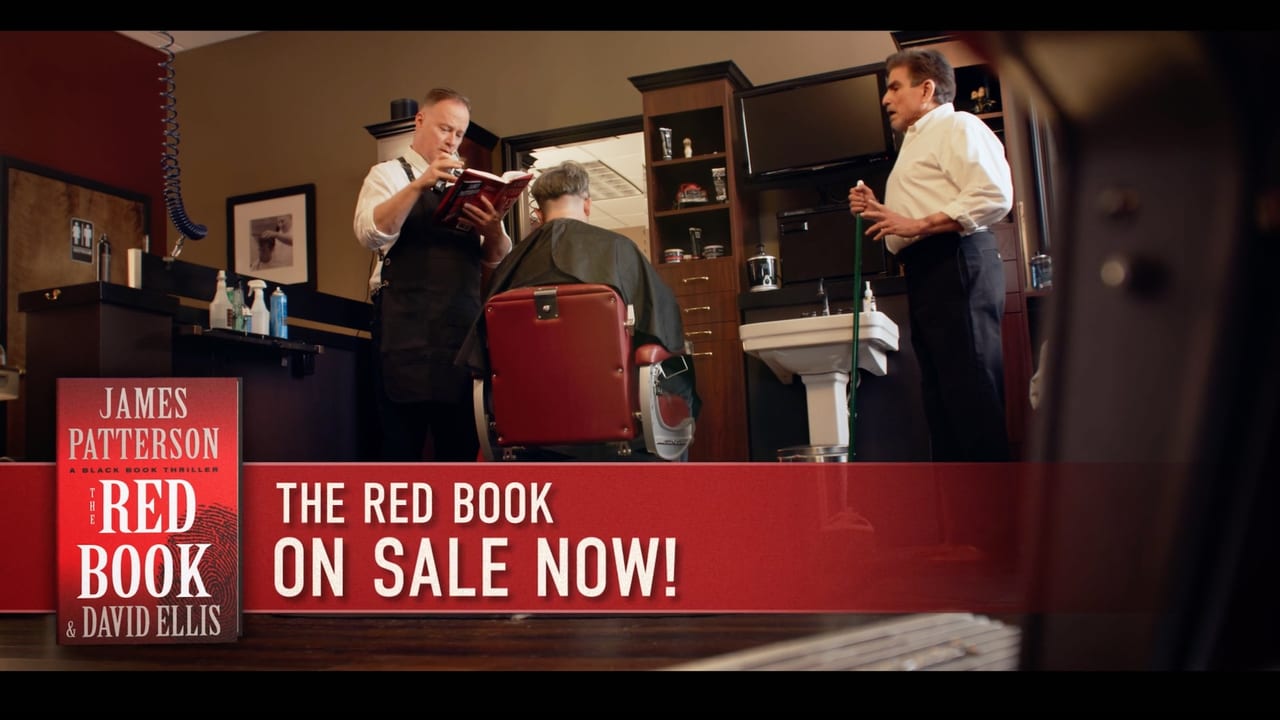
James Patterson | Can’t Put It Down - The Red Book article image from ECG Productions.

Blog

Blog

James Patterson | Can’t Put It Down - The Red Book

An ECG field note on James Patterson | Can’t Put It Down - The Red Book, with practical production context for the choices that shape what the audience sees and hears.

Read article
James Patterson | Walk In My Combat Boots - 0:30 Book Promo article image from ECG Productions.

Blog

Blog

James Patterson | Walk In My Combat Boots - 0:30 Book Promo

An ECG field note on James Patterson | Walk In My Combat Boots - 0:30 Book Promo, with practical production context for the choices that shape what the audience sees and hears.

Read article
James Patterson | The Summer House - Book Trailer article image from ECG Productions.

Blog

Blog

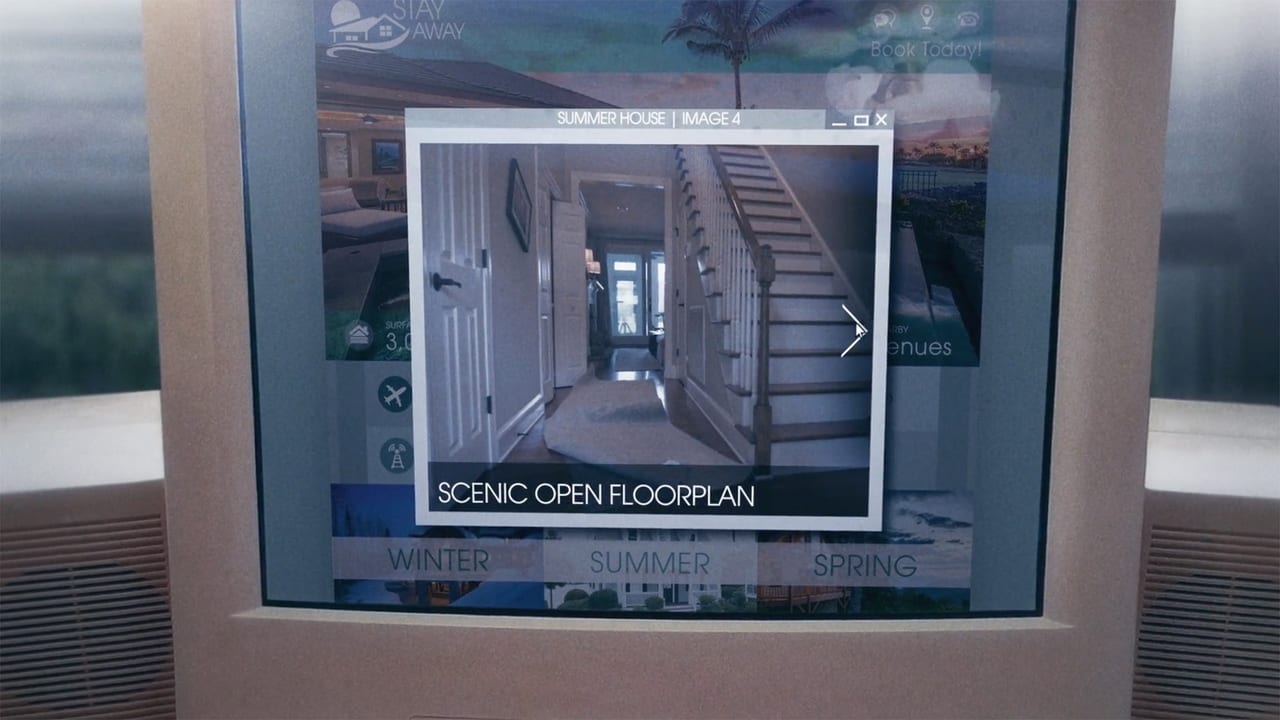
James Patterson | The Summer House - Book Trailer

An ECG field note on James Patterson | The Summer House - Book Trailer, with practical production context for the choices that shape what the audience sees and hears.

Read article

Keep Exploring

More ECG pages related to How to Successfully Adapt Books and Media for Film and Television.

Related services, examples, and deeper reads add context around the creative choices, production decisions, and tradeoffs behind this topic.

Next step

Ready to talk through the project?

When this starts to sound like your situation, bring ECG the goal and the constraints.

Share This Article

Send this read to the team before the next production call.

Share the article, project, or service page with a teammate, client, producer, or stakeholder who needs the context before the next decision.