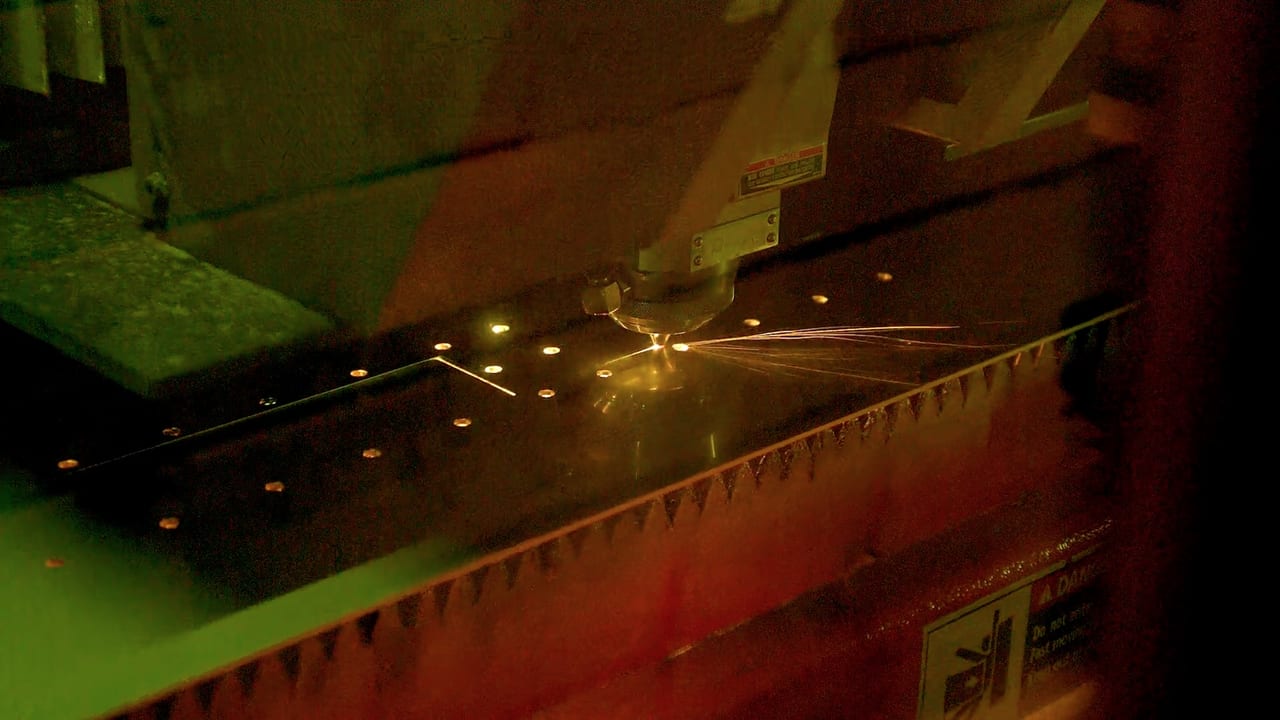
Explore how ECG Productions crafted Skillsoft’s Heat Stress Awareness video with cinematic storytelling, location scouting, and post-production techniques to engage and educate
Help production decision-makers understand how cinematic safety training videos can combine storytelling, location, and post-production to maximize impact and engagement.
Turning Safety Training into Cinematic Storytelling
When Skillsoft approached ECG Productions to create a Heat Stress Awareness video, the challenge was clear: transform a vital safety topic into an engaging, memorable story. Instead of a straightforward instructional video, the team embraced narrative techniques inspired by Western classics and post-apocalyptic films. This approach helps safety messages stick by connecting emotionally with viewers, making the risks of heat stress tangible rather than abstract.
The Power of Location: Finding the Perfect Setting
A key production decision was the location. The video needed an industrial, open, and dusty environment to evoke heat and isolation, while remaining realistic for a workplace scenario. After scouting, the team chose Lifecycle Building Center in Atlanta — a site that not only met the visual requirements but also aligned with the client’s values around sustainability. This choice allowed wide, desert-like shots that visually reinforced the story’s tension and the characters’ vulnerability to heat stress.
Production Challenges: Managing Real Heat on Set
Filming in 95-degree heat brought real-world challenges that mirrored the video’s theme. The production team prioritized crew safety with hydration and breaks, demonstrating best practices for working in extreme conditions. This real heat also enhanced the authenticity of the scenes, reducing the need for artificial effects during principal photography.
Post-Production Techniques to Amplify Heat and Tension
Post-production played a crucial role in shaping the video’s atmosphere. Editor Cameron Shaw paced the narrative to build slow-burning dread. Colorist Alesso Graci introduced a red cast to the air, making the environment feel harsh and uninhabitable. Animator Seth Johnson used Maxon’s Universe Heatwave plug-in in Adobe After Effects to add shimmering heat ripples on the ground, visually reinforcing the oppressive temperature. These layered effects transformed the footage into a visceral experience.
Why This Approach Works for Safety Training Videos
Skillsoft’s Heat Stress Awareness video stands out because it treats safety training as a storytelling opportunity rather than a checklist. The cinematic approach increases viewer engagement and retention, making critical health and safety messages more effective. For brands and agencies considering safety or instructional videos, this case underscores the value of investing in strong pre-production planning, location scouting, and post-production artistry to elevate impact.
FAQ
How can cinematic storytelling improve safety training videos?
Cinematic storytelling makes safety messages more engaging and memorable by creating emotional connections and visual tension, which helps viewers better understand and retain important information.
What should I consider when choosing a location for a safety training video?
Look for locations that visually reinforce your message while remaining realistic for the scenario. Consider factors like space for camera setups, natural lighting, and environmental conditions that support the story’s tone.
How do post-production effects enhance the feeling of heat in a video?
Post-production techniques like color grading to add warm tones, heat ripple effects using plugins, and pacing edits to build tension can visually and emotionally amplify the sensation of heat and discomfort.
What should a team understand about Skillsoft | Heat Stress Awareness?
The useful takeaway is how audience, creative direction, production choices, post-production, approvals, and delivery needs shape the final video plan.
Where should this kind of project start?
Start with the goal, audience, deadline, where the finished piece needs to live, and the practical constraints that will affect creative and production decisions.
How can ECG help with the next step?
ECG can help connect the creative idea to production planning, filming, post-production, versioning, and delivery so the finished work fits the channel and the audience.