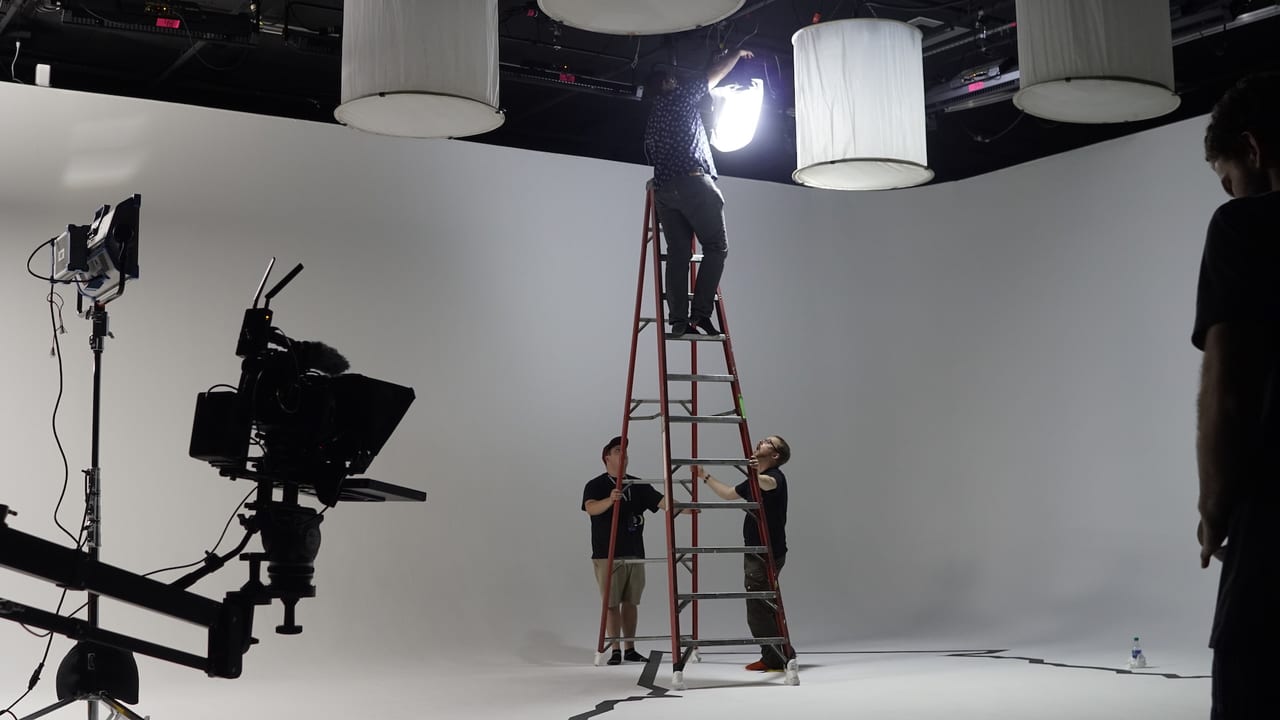
Understand why valuing your creative work with fair compensation or clear trade builds sustainable production partnerships and protects your time and talent.
Help creatives and production buyers decide how to value creative work fairly before starting a project.
Why Valuing Your Creative Time Matters Before Production
Creative work—whether it’s video production, design, photography, or any artistic craft—requires both technical mastery and creative vision. Balancing these demands means your time and skills are valuable assets. Before any production starts, it’s critical to establish what your creative time is worth. Without this clarity, you risk setting a precedent that your work is free or undervalued, which can undermine your business and the quality of future projects.
The Risks of Working for Free or 'Exposure' in Creative Projects
Many creatives face requests to work for free or just for 'exposure.' While exposure might sound appealing, it’s often vague and hard to quantify. Exposure rarely pays bills or covers production costs. Accepting work without clear compensation can unintentionally signal that your time and skill have no monetary value. This can erode your position in negotiations, reduce respect for your craft, and make it harder to secure paid work down the line.
Smart Alternatives to Monetary Payment: Barter, Opportunities, and Clear Trade
Not all compensation has to be cash. Sometimes, a fair trade of services or products can be mutually beneficial. For example, trading your production services for marketing help, equipment use, or access to new clients can build valuable relationships. However, these trades should be clearly defined and agreed upon upfront, with an understanding of the equivalent value to avoid misunderstandings.
How to Communicate Your Value with Transparent Estimates
A practical way to set expectations is to provide a detailed estimate outlining the cost of your work as if it were paid. Then, if you choose to waive the fee, send an invoice with the full amount and a discount that brings the balance to zero. This approach shows clients the real value of your services, helps them budget properly in the future, and reinforces respect for your time—even when you’re doing a favor or working pro bono.
When It’s Worth Working for Free and How to Protect Your Business
There are times when working without immediate pay makes sense—supporting a cause you believe in, repaying a favor, or investing in a promising relationship. Even then, it’s important to set boundaries and clarify expectations. Treat these projects as strategic investments rather than giveaways. This mindset helps maintain your professionalism and ensures your creative business remains sustainable.
FAQ
Is it ever okay to work for free as a creative professional?
Yes, but only when it aligns with your strategic goals, such as supporting a cause, building a relationship, or repaying a favor. Always set clear expectations and communicate the value of your work.
How can I explain the value of my creative work to clients who want free services?
Provide a detailed estimate showing what your services would cost if paid, then offer a discount or waive the fee. This helps clients understand your rates and appreciate the value of your time.
What should I consider before accepting trade or exposure instead of payment?
Evaluate whether the trade has real value to your business and if the exposure reaches your target audience. Be cautious of vague promises and ensure all terms are agreed upon in writing.
What should a team understand about The Business of Being Creative: Something for Something / Nothing for Nothing?
The useful takeaway is how audience, creative direction, production choices, post-production, approvals, and delivery needs shape the final video plan.
Where should this kind of project start?
Start with the goal, audience, deadline, where the finished piece needs to live, and the practical constraints that will affect creative and production decisions.
How can ECG help with the next step?
ECG can help connect the creative idea to production planning, filming, post-production, versioning, and delivery so the finished work fits the channel and the audience.