Discover practical, production-tested advice to secure and succeed in your first video production job—from learning on set to mastering gear and adding real value.
Help aspiring video production professionals understand how to prepare for, secure, and excel in their first role with a production company.
Start with a Learning Mindset: Experience Over Paycheck
When you land your first video production gig, your priority isn’t the paycheck—it’s the hands-on experience. Video production is a craft honed by doing, not just watching. On set, every moment is a chance to absorb new skills, from camera setups to lighting tweaks. Treat every task as a learning opportunity, whether it’s assisting the gaffer or observing the director of photography’s choices. This mindset sets the foundation for a sustainable career.
Ask Smart Questions Without Interrupting the Flow
Curiosity drives growth, but timing is everything. If you don’t understand a term like “Cardellini clamp” or why a lens swap happened mid-shot, jot it down and ask during breaks or wrap. This shows initiative without disrupting production. Over time, these questions build your technical vocabulary and demonstrate your commitment to mastering the craft. Remember, it’s better to ask once and do it right than to guess and slow down the crew.
Listen Actively: The Set Is a Classroom
Production sets are buzzing with information beyond the obvious. Pay attention to how producers prefer communications, how editors talk about post workflows, or how grips organize gear. These insights often come from casual conversations or overheard remarks but can give you an edge in professionalism and efficiency. For example, adapting your email style to a producer’s preference can make you stand out as reliable and detail-oriented.
Get Hands-On with Gear: Build Familiarity and Confidence
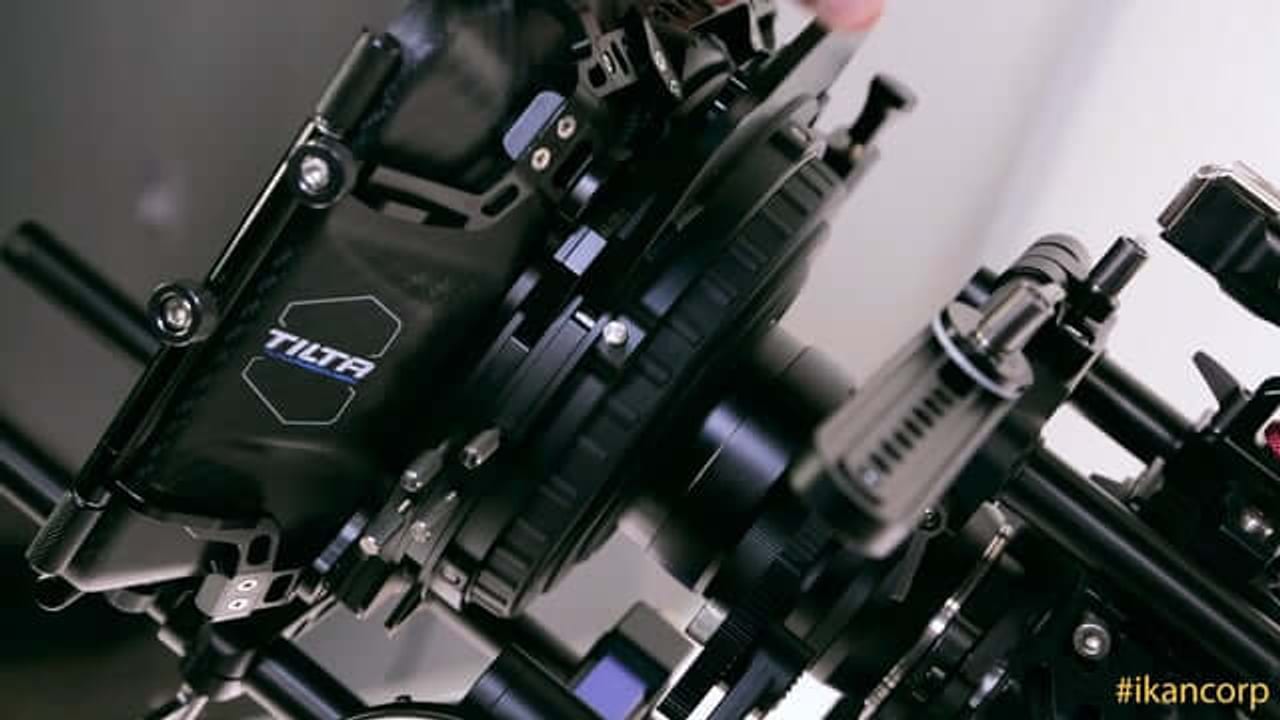
Video production involves an array of equipment—cameras, lights, rigs, cables, and more. Volunteer to carry, unpack, and pack gear as often as possible. This physical interaction helps you memorize equipment names, storage cases, and setup procedures. It also shows your willingness to contribute wherever needed. Being known as the person who knows their way around the gear can open doors to more technical responsibilities and trust.
Become Indispensable: Add Value Beyond Your Role
The best way to secure ongoing work is to become someone the team can’t imagine working without. Look for ways to anticipate needs—whether it’s organizing equipment efficiently, preparing call sheets, or helping troubleshoot on set. Don’t wait to be asked; proactively offer solutions and support. This approach builds your reputation as a problem-solver and team player, which is invaluable in the fast-paced world of video production.
FAQ
What skills are most important for a beginner in video production?
For beginners, adaptability, eagerness to learn, basic technical knowledge of equipment, and strong communication skills are essential. Being proactive and reliable on set often matters more than advanced technical expertise early on.
How can I prepare before my first day on a video production set?
Research common production roles and equipment, familiarize yourself with industry terminology, and practice professionalism—showing up on time, ready to work, and with a positive attitude. Watching behind-the-scenes videos can also help set expectations.
Is it normal to start with unpaid or low-paid video production jobs?
Yes, many start with internships or entry-level positions that offer more experience than pay. The key is to leverage these opportunities to build your skills, network, and portfolio, which will lead to paid roles.
What should a team understand about 5 TIPS TO GET A JOB WITH A VIDEO PRODUCTION COMPANY?
The useful takeaway is how audience, creative direction, production choices, post-production, approvals, and delivery needs shape the final video plan.
Where should this kind of project start?
Start with the goal, audience, deadline, where the finished piece needs to live, and the practical constraints that will affect creative and production decisions.
How can ECG help with the next step?
ECG can help connect the creative idea to production planning, filming, post-production, versioning, and delivery so the finished work fits the channel and the audience.