Channels change. Audience attention does not get easier.
Platform tactics evolve, but the useful question stays the same: what the viewer needs to understand, feel, remember, or do after watching.
Production
Explore the five key animation styles—cel, 2D, 3D, motion graphics, and stop motion—to make informed production decisions that align with your brand and project goals.
 Written byJason MarracciniPartner & President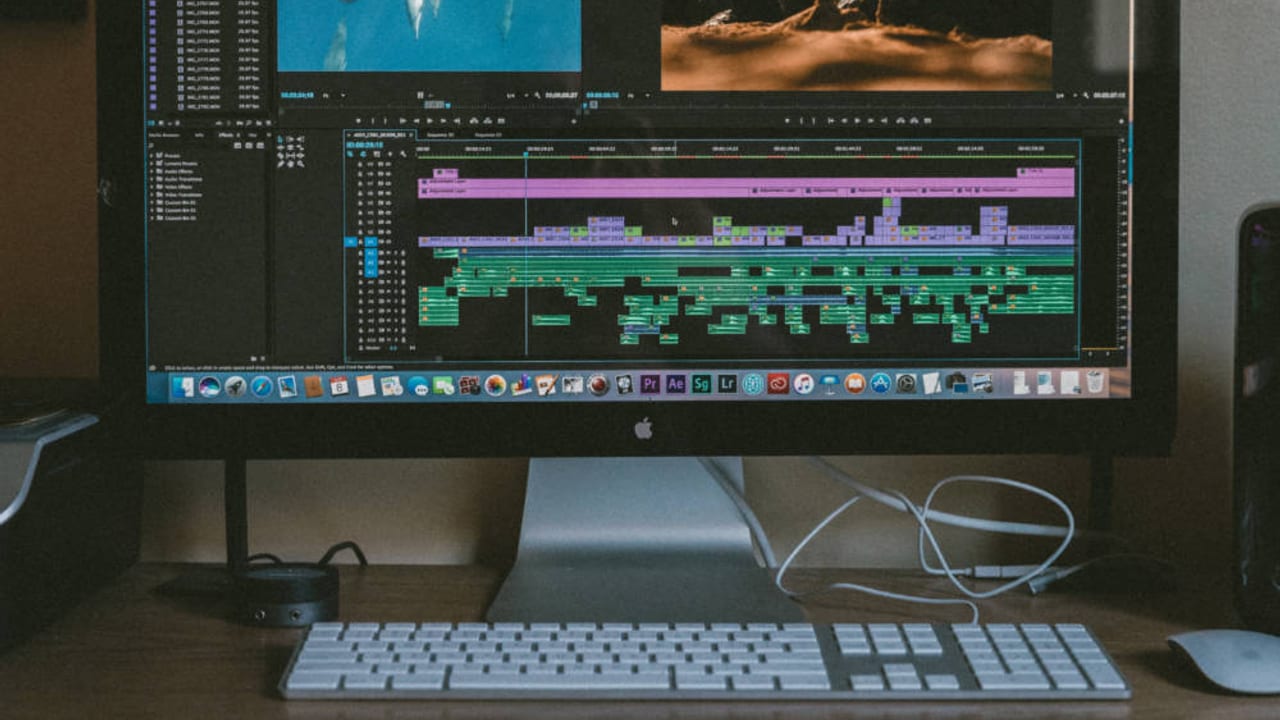
Production
Marketing video guidance for teams planning content that has to perform.
Marketing Context
A strong marketing video is not just a finished file. It needs a clear audience, a useful hook, the right versions, smart placement, and a reason for someone to care after the first few seconds.
Platform tactics evolve, but the useful question stays the same: what the viewer needs to understand, feel, remember, or do after watching.
Marketing video usually needs cutdowns, thumbnails, captions, channel-specific openings, paid-media crops, landing-page context, and a path from awareness into action.
Before production, connect the concept to where it will run: website, paid social, sales, broadcast, CTV, email, events, internal launch, or campaign support.
Article
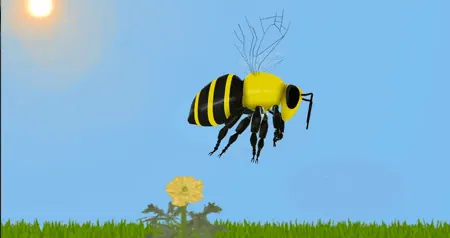
Explore the five key animation styles—cel, 2D, 3D, motion graphics, and stop motion—to make informed production decisions that align with your brand and project goals.
Help readers decide which animation style best fits their project’s creative vision, budget, and production needs.
Animation isn’t just about making images move; it’s about crafting a visual language that supports your brand’s story and connects with your audience. Each animation style demands specific production workflows, resources, and timelines. Understanding these differences upfront helps you plan your strategy, allocate budget wisely, and avoid costly surprises during production and post.
Cel animation, or traditional hand-drawn animation, involves creating each frame on transparent sheets layered over backgrounds. While largely replaced by digital methods, it still offers a nostalgic aesthetic prized for certain projects. Production-wise, cel animation requires skilled artists, extensive frame-by-frame work, and careful color management. It’s time-intensive and best suited for brands seeking a handcrafted, timeless look.
Modern 2D animation uses vector-based software to create clean, scalable images. Tools like Adobe Animate or Toon Boom Harmony enable frame-by-frame animation and rigging, streamlining character movement and scene transitions. This style balances creative flexibility with production efficiency, making it ideal for explainer videos, social content, and stylized storytelling. Its digital nature simplifies revisions and integrates well with post-production workflows.
3D animation harnesses computer-generated models and environments, using keyframes and interpolation to produce smooth, lifelike movement. This approach demands specialized software like Maya or Blender and a skilled team for modeling, rigging, lighting, and rendering. Production timelines are longer, and post-production includes complex compositing and color grading. 3D is perfect for brands wanting immersive visuals, product demos, or cinematic storytelling.
Motion graphics animate graphic elements, typography, and shapes to convey information clearly and engagingly. Common in corporate videos, title sequences, and promotional content, this style is production-friendly with faster turnaround times. Software like After Effects powers motion graphics, enabling smooth integration with live footage or other animation types. It’s the go-to choice for brands needing polished, informative visuals that grab attention.
Stop motion animation involves photographing physical objects frame-by-frame, moving them incrementally to simulate motion. It’s labor-intensive, requiring meticulous set design, lighting consistency, and precise capture. The result is a tactile, handcrafted feel that stands out visually. Ideal for brands wanting a distinctive, artisanal vibe, stop motion demands longer production schedules and careful planning to maintain continuity and quality.
Selecting the right animation style is a strategic decision that impacts every phase of your project—from pre-production planning and budgeting to post-production delivery and distribution. At ECG Productions, we guide you through these choices, matching your creative goals with the most effective animation techniques. Our portfolio spans motion graphics, 2D and 3D animation, and stop motion, ensuring we can bring your vision to life with technical excellence and storytelling finesse. Ready to explore your options? Reach out to discuss your project and get expert advice tailored to your needs.
Consider your project goals, target audience, budget, and timeline. For example, motion graphics work well for clear, fast-paced messaging, while 3D suits immersive storytelling. Consulting with a production expert can help align style with strategy.
Stop motion and 3D animation generally require longer schedules due to their complexity. 2D digital and motion graphics can be produced more quickly, especially with streamlined workflows. Your provider can give a tailored estimate based on project scope.
Yes, hybrid approaches are common. For instance, motion graphics can be layered over 3D elements, or 2D characters can be integrated into live-action footage. Combining styles requires careful planning to maintain visual consistency.
The useful takeaway is how audience, creative direction, production choices, post-production, approvals, and delivery needs shape the final video plan.
Start with the goal, audience, deadline, where the finished piece needs to live, and the practical constraints that will affect creative and production decisions.
ECG can help connect the creative idea to production planning, filming, post-production, versioning, and delivery so the finished work fits the channel and the audience.
Related ECG Portfolio Video
Use Zynga Poker | The Best Tips & Tricks Video Series as an ECG-produced reference for Understanding the Five Types of Animation: A Practical Guide for Smarter Production. Compare the audience, tone, distribution plan, and production choices before turning the article into a creative brief.
Animated tutorial
A five-video Zynga Poker tips and tricks tutorial series, using character-led animation, game art, sound, and editorial pacing to make poker mechanics easier to follow.
Visual Context
Articles perform better when readers can see what the thinking points toward. This visual break connects the topic to ECG production, post-production, real examples, and the next practical decision instead of leaving the page as a long read with no visual rhythm.
See related workArticle FAQ
These answers add practical context for the decisions that usually sit behind production work: scope, timing, creative direction, production approach, and what the finished piece needs to accomplish.
Consider your project goals, target audience, budget, and timeline. For example, motion graphics work well for clear, fast-paced messaging, while 3D suits immersive storytelling. Consulting with a production expert can help align style with strategy.
Stop motion and 3D animation generally require longer schedules due to their complexity. 2D digital and motion graphics can be produced more quickly, especially with streamlined workflows. Your provider can give a tailored estimate based on project scope.
Yes, hybrid approaches are common. For instance, motion graphics can be layered over 3D elements, or 2D characters can be integrated into live-action footage. Combining styles requires careful planning to maintain visual consistency.
The useful takeaway is how audience, creative direction, production choices, post-production, approvals, and delivery needs shape the final video plan.
Start with the goal, audience, deadline, where the finished piece needs to live, and the practical constraints that will affect creative and production decisions.
ECG can help connect the creative idea to production planning, filming, post-production, versioning, and delivery so the finished work fits the channel and the audience.
Next Step
When an article sounds like your project, compare the relevant service path and nearby work before you make a production decision.
Read Next
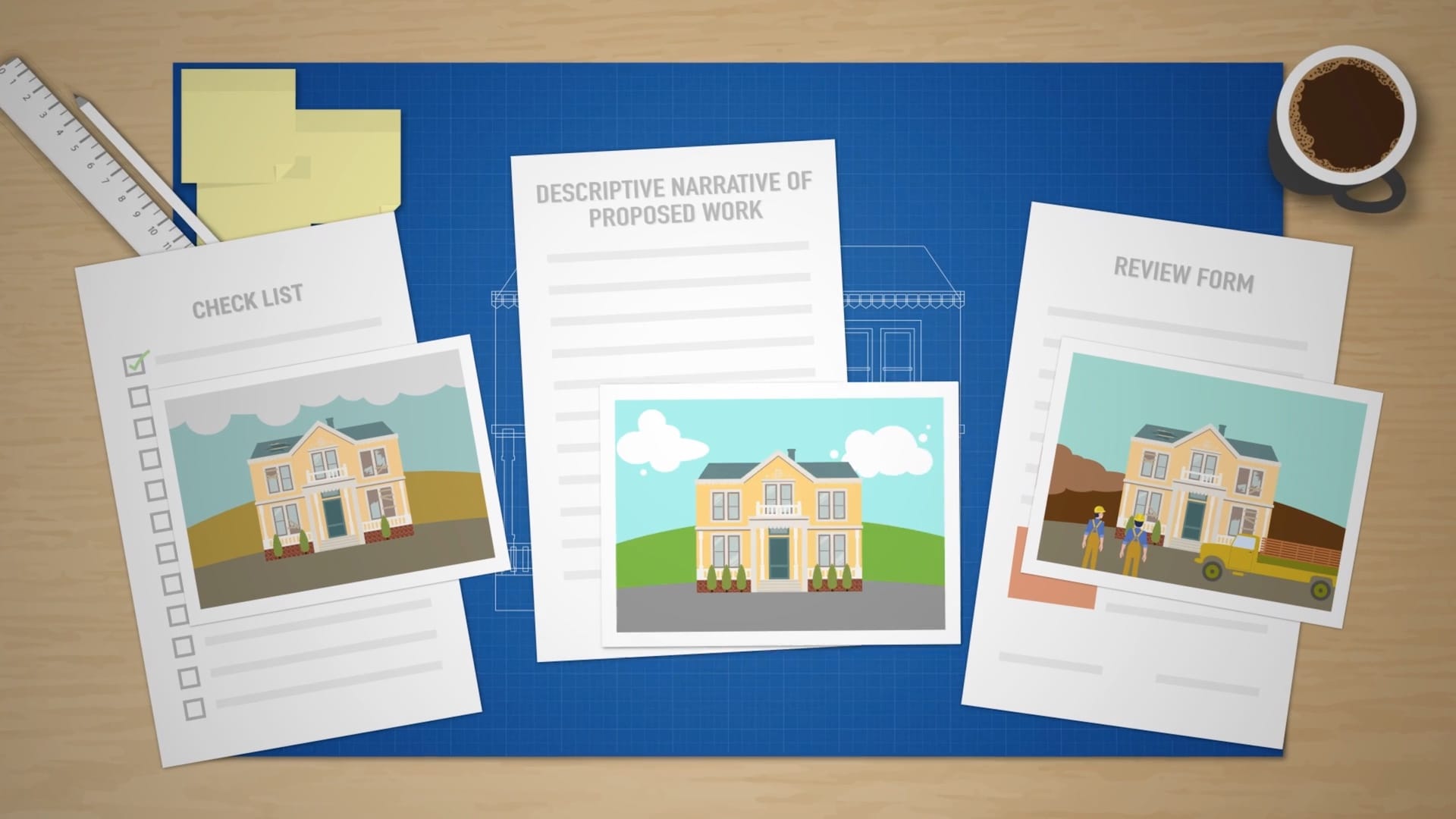
Animation
Learning
Animation helps explain the invisible, repeat the complex, and make training easier to retain.
Read article
Production
Production
The Amazing Power of Animation in Advertising is a production read about what needs to be planned, captured, protected, and handed to post so the finished piece has a real chance to work.
Read article
Strategy
Strategy
Types of TV Commercials: Choosing the Right Format for Your Brand is a strategy read for teams deciding who the video needs to reach, what it needs to say, where it will live, and what has to be clear before production dollars move.
Read article
Strategy
Strategy
Animation vs Live Action | How to Choose the Right Format for Your Video is a strategy read for teams deciding who the video needs to reach, what it needs to say, where it will live, and what has to be clear before production dollars move.
Read article
Animation
Animation
How Unlocking the Potential of Animation Marketing Videos can make complex ideas clearer, more memorable, and easier for the audience to follow.
Read article
Production
Production
Design and Animation: Meet Anneli, the Animator is a production read about what needs to be planned, captured, protected, and handed to post so the finished piece has a real chance to work.
Read articleKeep Exploring
Related services, examples, and deeper reads add context around the creative choices, production decisions, and tradeoffs behind this topic.
Services
These service paths show where the production, post, animation, or package conversation usually goes next.
Service
Color Correction & Color Grading from ECG Productions helps the finished piece feel more polished, consistent, intentional, and ready for its audience.
Open pageService
Color Grading from ECG Productions helps the finished piece feel more polished, consistent, intentional, and ready for its audience.
Open pageService
3D Character Animation from ECG Productions adds stylized movement, visual personality, and memorable detail to the story.
Open pageService
Stop Motion Animation from ECG Productions adds stylized movement, visual personality, and memorable detail to the story.
Open pageWork
These examples show what the service, article, or category can look like in finished work.
Branded Content
Hello My Name Is… | A Musical Exploration is story-led brand work, which means the finished piece has to show more than polish. The important read is how the brand,...
Open page2D and 3D Animation
Arby’s | Arby’s Foundation Impact shows how designed motion can make an idea clearer, more memorable, and easier to follow. It helps teams compare script clarity, st...
Open page2D and 3D Animation
The Arthur M. Blank Hospital: Amazing News From CHOA shows how designed motion can make an idea clearer, more memorable, and easier to follow. It helps teams compare...
Open pageRelated articles
These pieces add context around process, budget, creative choices, common mistakes, and what to ask next.
Animation
How Animation and Graphic Design Tools #2 - After Effects Plugins can make complex ideas clearer, more memorable, and easier for the audience to follow.
Open pageAnimation
How ANIMATION AND GRAPHIC DESIGN TOOLS #1: Adobe Kuler can make complex ideas clearer, more memorable, and easier for the audience to follow.
Open pageAnimation
How Motion Tracking in More Ways Than One can make complex ideas clearer, more memorable, and easier for the audience to follow.
Open pageAnimation
How Tsunami Tuna Motion Capture can make complex ideas clearer, more memorable, and easier for the audience to follow.
Open pageNext step
When this starts to sound like your situation, bring ECG the goal and the constraints.
Share This Article
Share the article, project, or service page with a teammate, client, producer, or stakeholder who needs the context before the next decision.