ECG Productions
ECG Blog

Post

Why Color Grading Takes Time: A Practical Guide for Video Producers

Understand why professional color grading is a detailed process that shapes your video's mood and quality. Learn how careful color work impacts production and delivery.

Updated Jun 28, 20263 min readPost
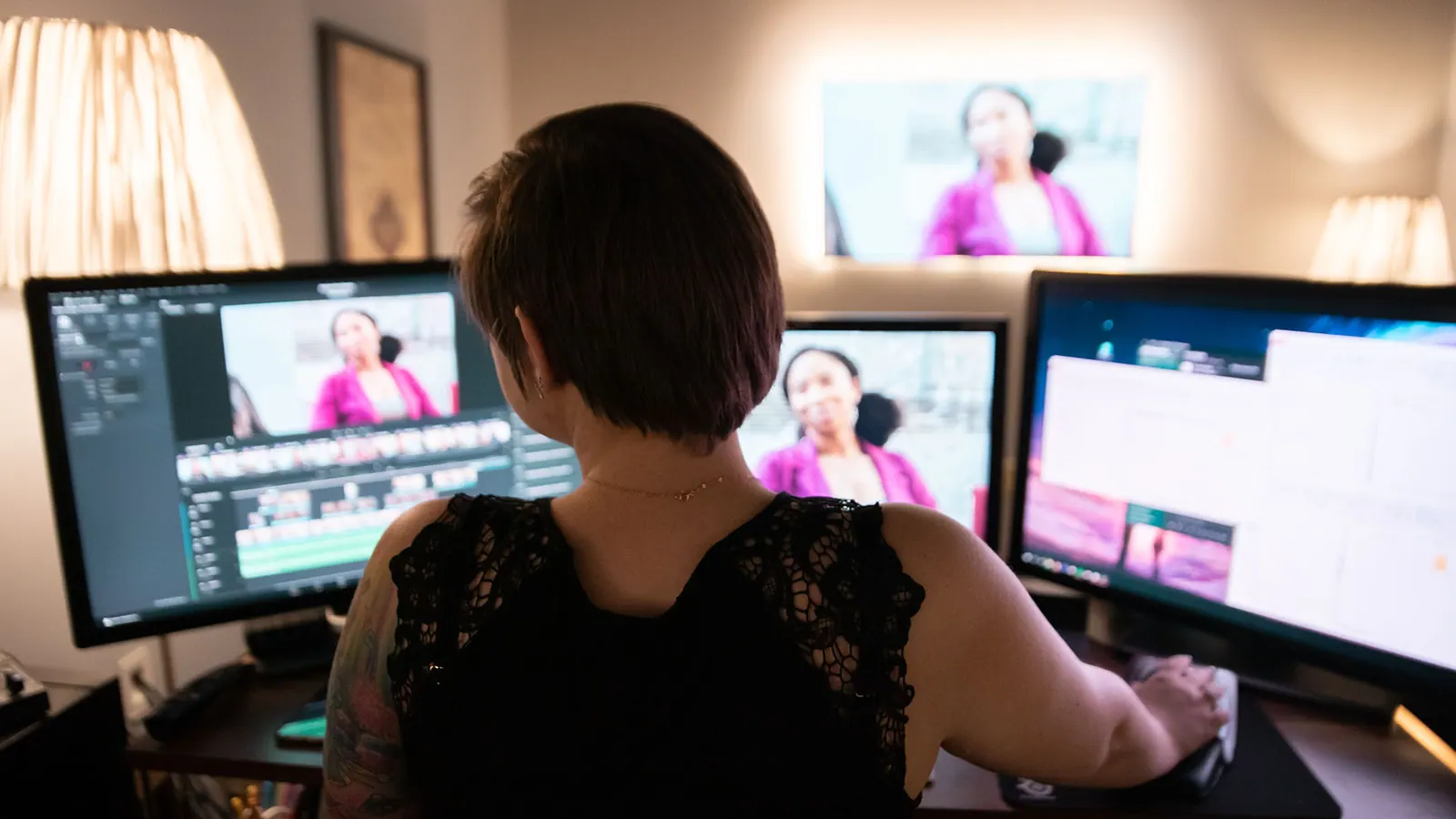
Why Color Grading Doesn't Take Five Minutes article image showing ECG Productions post-production and finishing work.

Post

Post-production thinking for edits, finishes, fixes, and final delivery.

Post-Production Context

Know what the footage needs after the shoot.

Post is where structure, pacing, sound, color, graphics, delivery specs, and review discipline either strengthen the project or expose the problems that were never solved earlier.

Tools change, but the edit still has to think.

Post-production software, codecs, AI tools, and platform specs keep moving. The durable lesson is still story, pacing, structure, sound, color, graphics, review discipline, and finishing for the places the video has to live.

Know what feels wrong before post starts.

If the article sounds close to your situation, gather source footage, current cuts, brand guidance, platform specs, deadline, and the places where the piece is not landing yet.

Connect the read to finishing decisions.

Post-production is where edit goals, review rounds, delivery versions, sound, color, graphics, captions, and final placement all come into focus.

Article

Understand why professional color grading is a detailed process that shapes your video's mood and quality. Learn how careful color work impacts production and delivery.

Help video producers and marketers understand the real time and craft involved in professional color grading to make smarter post-production decisions.

Why Color Grading Is More Than a Quick Fix

Color grading isn’t a last-minute tweak or a simple filter slapped on before delivery. It’s a strategic post-production step that shapes how your audience feels and connects with your story. At ECG Productions, we see color grading as part of the storytelling toolkit — balancing exposure, matching shots, and enhancing mood to create a consistent, immersive experience. Rushing this process risks losing detail, emotional impact, and visual cohesion.

The Layers of a Professional Color Grade

A professional color grade involves multiple layers of adjustments. First, a base grade sets the tonal foundation—lifting shadows, controlling highlights, and balancing midtones to maximize dynamic range. Next, color balance tweaks unify the look across shots, ensuring seamless flow. Stylized color choices—like warming midtones for a sunny vibe or cooling shadows for contrast—add mood and narrative cues. Finally, selective adjustments highlight subjects or key elements, guiding viewer focus. Each step requires careful evaluation and fine-tuning.

Why Matching Shots Takes Time and Skill

Matching shots is a critical part of grading that often gets underestimated. Different cameras, lighting conditions, and exposures mean each clip needs tailored adjustments to look like part of the same story. For example, footage shot under cloudy sunset light demands a different approach than bright midday sun. Colorists analyze histograms, scopes, and reference frames to ensure smooth transitions and consistent color temperature. This process can’t be rushed without risking jarring shifts that pull viewers out of the experience.

How Production Choices Affect Color Grading

Good color grading starts on set. Shooting slightly underexposed, especially in outdoor scenes, preserves highlight detail that colorists can recover later. Cameras like the Sony FS7 with S-Log2 profiles capture wide dynamic range but produce flat images that need thoughtful grading. Understanding these technical choices helps producers plan post-production time realistically. It also highlights why color grading is not just a technical step but a creative collaboration between production and post teams.

Planning for Color Grading in Your Project Timeline

To get the best out of color grading, include it early in your project schedule and budget. Allocate time for initial grading, client review, revisions, and final approvals. Communicate with your colorist about the desired look and any stylized treatments upfront. At ECG, we integrate color grading with editing, sound design, and graphics workflows to ensure a smooth finish. Skimping on grading time often leads to compromises in quality or costly last-minute fixes that delay delivery.

FAQ

How long does professional color grading usually take?

Color grading timelines vary based on project complexity, but even a single shot can take several minutes to grade properly. For full projects, expect multiple hours to ensure consistent, polished results.

Can color grading fix poorly shot footage?

While color grading can enhance and correct some issues, it can’t fully fix badly exposed or out-of-focus footage. Good production practices are essential to give colorists the best material to work with.

What should I provide to a colorist to get the best results?

Provide your colorist with the highest quality footage, a clear creative brief, reference images or videos for the desired look, and any specific notes about mood or branding to guide the grading process.

What should a team understand about Why Color Grading Doesn't Take Five Minutes?

The useful takeaway is how audience, creative direction, production choices, post-production, approvals, and delivery needs shape the final video plan.

Where should this kind of project start?

Start with the goal, audience, deadline, where the finished piece needs to live, and the practical constraints that will affect creative and production decisions.

How can ECG help with the next step?

ECG can help connect the creative idea to production planning, filming, post-production, versioning, and delivery so the finished work fits the channel and the audience.


Related ECG Portfolio Video

See the article idea in finished ECG work.

Use ECG Productions | 2014 Show Reel as an ECG-produced reference for Why Color Grading Takes Time: A Practical Guide for Video Producers. Compare the audience, tone, distribution plan, and production choices before turning the article into a creative brief.

VimeoReelRelated Commercials workRelated Branded Content work
Open the project

Vertical Vimeo

ECG Productions | 2014 Show Reel

A legacy ECG show reel preserved as proof of range, style, pacing, and production history across multiple kinds of work. Use it as an archive reference for the company's visual taste and category breadth, then compare newer portfolio examples for the most current finish, media, and production approach.

Visual Context

Connect the article to the kind of work people can actually picture.

Articles perform better when readers can see what the thinking points toward. This visual break connects the topic to ECG production, post-production, real examples, and the next practical decision instead of leaving the page as a long read with no visual rhythm.

See related work

Article FAQ

Practical answers for the production decision.

These answers add practical context for the decisions that usually sit behind post work: scope, timing, creative direction, production approach, and what the finished piece needs to accomplish.

How long does professional color grading usually take?

Color grading timelines vary based on project complexity, but even a single shot can take several minutes to grade properly. For full projects, expect multiple hours to ensure consistent, polished results.

Can color grading fix poorly shot footage?

While color grading can enhance and correct some issues, it can’t fully fix badly exposed or out-of-focus footage. Good production practices are essential to give colorists the best material to work with.

What should I provide to a colorist to get the best results?

Provide your colorist with the highest quality footage, a clear creative brief, reference images or videos for the desired look, and any specific notes about mood or branding to guide the grading process.

What should a team understand about Why Color Grading Doesn't Take Five Minutes?

The useful takeaway is how audience, creative direction, production choices, post-production, approvals, and delivery needs shape the final video plan.

Where should this kind of project start?

Start with the goal, audience, deadline, where the finished piece needs to live, and the practical constraints that will affect creative and production decisions.

How can ECG help with the next step?

ECG can help connect the creative idea to production planning, filming, post-production, versioning, and delivery so the finished work fits the channel and the audience.

Next Step

Connect the article to ECG services and work.

When an article sounds like your project, compare the relevant service path and nearby work before you make a production decision.

Read Next

Keep learning before you decide what to make.

Back to the blog
How Video Color Grading Brings Your Story to Life article image showing ECG Productions post-production and finishing work.

Post

Color

How Video Color Grading Brings Your Story to Life

Color is not just polish. It is one of the ways a video tells the audience how to feel.

Read article
Five Reasons Why Chess and Video Production Go Hand-in-Hand article image for video marketing, brand storytelling, and campaign strategy.

Strategy

Strategy

Five Reasons Why Chess and Video Production Go Hand-in-Hand

Five Reasons Why Chess and Video Production Go Hand-in-Hand is a strategy read for teams deciding who the video needs to reach, what it needs to say, where it will live, and what has to be clear before production dollars move.

Read article
Five Reasons Why Chess and Video Production Go Hand-in-Hand: Part 2 article image for video marketing, brand storytelling, and campaign strategy.

Strategy

Strategy

Five Reasons Why Chess and Video Production Go Hand-in-Hand: Part 2

Five Reasons Why Chess and Video Production Go Hand-in-Hand: Part 2 is a strategy read for teams deciding who the video needs to reach, what it needs to say, where it will live, and what has to be clear before production dollars move.

Read article
Five Reasons Why Chess and Video Production Go Hand-in-Hand: Part 3 article image for video marketing, brand storytelling, and campaign strategy.

Strategy

Strategy

Five Reasons Why Chess and Video Production Go Hand-in-Hand: Part 3

Five Reasons Why Chess and Video Production Go Hand-in-Hand: Part 3 is a strategy read for teams deciding who the video needs to reach, what it needs to say, where it will live, and what has to be clear before production dollars move.

Read article
Color Correction vs. Color Grading article image showing ECG Productions post-production and finishing work.

Post

Post

Color Correction vs. Color Grading

A post-production read on Color Correction vs. Color Grading, covering the edit, sound, color, graphics, delivery, and review choices that shape the final piece.

Read article
Why Humor Sells: The Role of Comedy in TV Ads article image showing ECG Productions crew, cameras, or on-set production work.

Production

Production

Why Humor Sells: The Role of Comedy in TV Ads

Why Humor Sells: The Role of Comedy in TV Ads is a production read about what needs to be planned, captured, protected, and handed to post so the finished piece has a real chance to work.

Read article

Keep Exploring

More ECG pages related to Why Color Grading Takes Time: A Practical Guide for Video Producers.

Related services, examples, and deeper reads add context around the creative choices, production decisions, and tradeoffs behind this topic.

Next step

Ready to talk through the project?

When this starts to sound like your situation, bring ECG the goal and the constraints.

Share This Article

Send this read to the team before the next production call.

Share the article, project, or service page with a teammate, client, producer, or stakeholder who needs the context before the next decision.

Search Notes

For Reddit

Reddit post-production threads around Corporate usually come down to workflow: what software to use, how to hand off footage, how many revisions are normal, why an edit is not working, and what finishing work is worth paying for.

Explore post-production

What edit or post-production software should I use?

Use the tool that fits the job and handoff. Premiere is common for agency and social workflows, Resolve is strong for color and finishing, After Effects handles motion work, and professional projects need clean project organization more than a trendy app choice.

Why does a cut still feel wrong after the footage is assembled?

Usually the issue is not one magic transition. It is story order, pacing, weak audio, missing context, unclear stakes, mismatched visuals, or a piece that never had a sharp audience goal before editing started.

How many revision rounds are normal?

Enough to refine the work, not enough to rebuild the plan forever. The scope should define review rounds, who gives notes, what counts as a revision, and when new asks become new scope.

What should I send an editor or post team before they start?

Send the goal, references, script or outline, footage, selects, brand assets, music direction, captions needs, delivery specs, deadline, and one clear owner for feedback.