ECG Productions
ECG Blog

Production

Why Transferring Large Files Is a Production Challenge—and How to Solve It

Discover practical strategies and tools for transferring large video and media files efficiently, securely, and without production delays.

Updated Jun 28, 20263 min readProduction
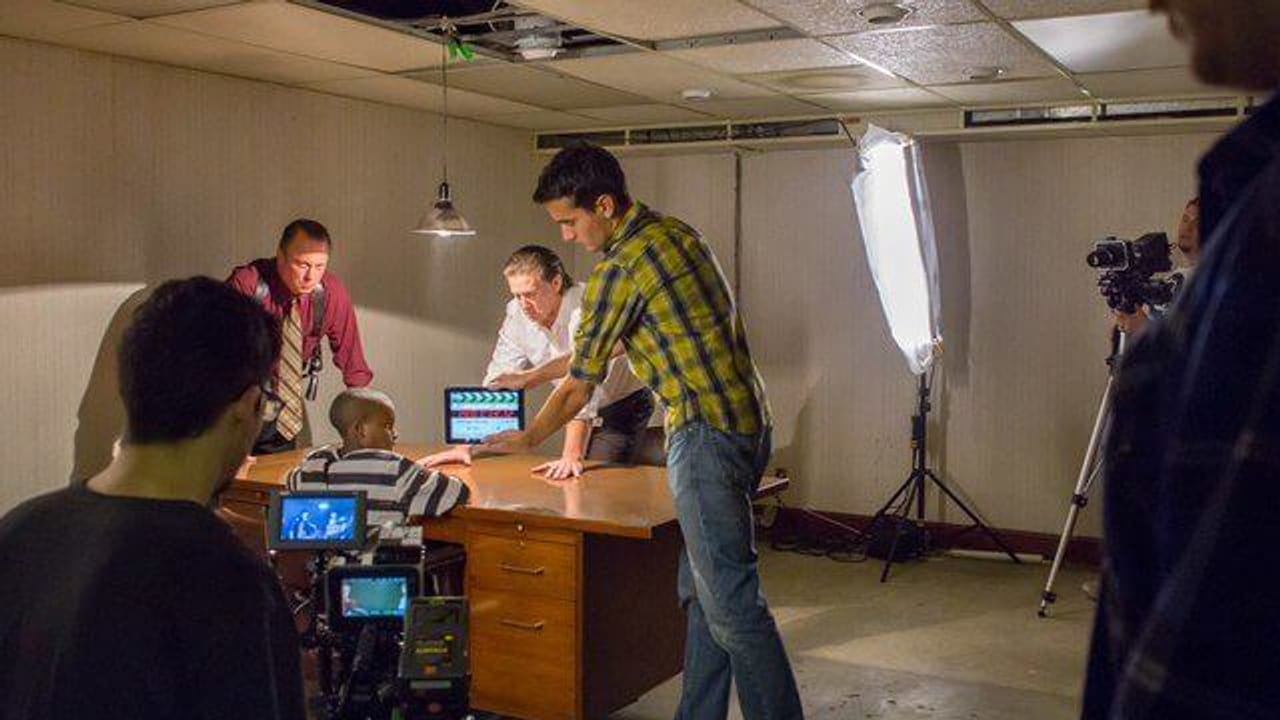
Why It's a Struggle Transferring Large Files article image showing ECG Productions crew, cameras, or on-set production work.

Production

Production context from the work that happens before, during, and after the shoot.

Production Context

See the planning choices behind a stronger shoot.

A stronger shoot starts with the real production variables: what has to be captured, what can go wrong, what the edit will need, and how the crew keeps the day moving toward the finished piece.

The real value is in what the shoot protects.

Behind-the-scenes and production articles are useful because they reveal planning, crew decisions, location realities, sound, lighting, schedule pressure, and the practical choices that make the final piece possible.

Better production questions start here.

If you are planning a similar shoot, ask what has to be captured, what can go wrong, what the edit needs, who has approval, and what the crew must know before the day starts.

Look for the handoff into post.

Strong production is not finished when the shoot wraps. The footage, notes, sound, continuity, and media workflow need to give post-production enough room to shape the final piece.

Article

Discover practical strategies and tools for transferring large video and media files efficiently, securely, and without production delays.

Help production teams and marketers choose the best approach to transfer large files smoothly and securely.

Why Large File Transfers Are a Production Bottleneck

In video and media production, transferring large files is more than just a tech annoyance—it’s a critical step that can stall your entire project. Raw footage, high-res graphics, and multi-track audio sessions easily reach gigabytes or terabytes, and moving these files between locations or teams requires careful planning. Slow internet speeds, unstable connections, and file size limits on email or messaging platforms turn what should be a simple handoff into hours or days of frustration. Understanding these challenges upfront helps you avoid costly delays in post-production and delivery.

Cloud Storage: The Go-To Solution with Limits

Cloud platforms like Google Drive, Dropbox, and OneDrive are the most common way to transfer large files today. They integrate well with email and collaboration tools, letting you upload files and share secure links quickly. However, free or basic accounts often have storage caps and bandwidth limits that slow transfers or require upgrading. File versioning and permission controls help protect your assets, but uploading multi-gigabyte video files can still take hours on slower connections. Planning your cloud usage during pre-production ensures you have the right storage tier and access set up before shoot day.

Accelerated Transfer Tools for Production Speed

For productions that can’t afford delays, dedicated accelerated transfer tools like Aspera, Signiant, or FileCatalyst offer reliable, high-speed file movement over long distances. These services use proprietary protocols to maximize bandwidth and minimize transfer times, even on unstable networks. While they come with licensing costs, their speed and security benefits often outweigh the expense for large-scale projects or remote workflows. Integrating these tools during pre-production can keep your post team working without waiting days for footage to arrive.

Security and Privacy: Protecting Your Production Assets

Large file transfers often contain sensitive content—unfinished edits, unreleased campaigns, or confidential client materials. Using a Virtual Private Network (VPN) or encrypted transfer services adds a layer of security by masking your IP address and encrypting data in transit. This prevents interception by hackers or unauthorized parties. At ECG Productions, we prioritize secure transfers using encrypted connections and controlled access permissions, ensuring your files arrive intact and confidential. Discuss security requirements early in your project to align on protocols.

How ECG Productions Handles Large File Transfers

ECG Productions combines high-capacity gigabit fiber internet with expert media management to move large files swiftly and securely. Whether it’s raw camera footage, 4K edits, or final masters, we handle the upload, transfer, and delivery so your team can focus on creative work. Our workflow includes checksum verification, secure cloud storage, and tailored delivery options to meet your distribution needs. Reach out to learn how our production-grade infrastructure and experienced team can simplify your next project’s file transfers.

FAQ

What is the best way to transfer very large video files?

Using dedicated accelerated transfer tools like Aspera or Signiant provides the fastest and most reliable transfer for very large files, especially over long distances or unstable networks.

Can I use free cloud storage services for production files?

Free cloud storage services like Google Drive or Dropbox work well for moderate file sizes, but they often have storage and bandwidth limits that may slow down large video file transfers.

How does a VPN improve file transfer security?

A VPN encrypts your internet connection and hides your IP address, protecting your data from interception during transfer and preventing bandwidth throttling by your internet provider.

What should a team understand about Why It's a Struggle Transferring Large Files?

The useful takeaway is how audience, creative direction, production choices, post-production, approvals, and delivery needs shape the final video plan.

Where should this kind of project start?

Start with the goal, audience, deadline, where the finished piece needs to live, and the practical constraints that will affect creative and production decisions.

How can ECG help with the next step?

ECG can help connect the creative idea to production planning, filming, post-production, versioning, and delivery so the finished work fits the channel and the audience.


Related ECG Portfolio Video

See the article idea in finished ECG work.

Use P&G for the HBCYou as an ECG-produced reference for Why Transferring Large Files Is a Production Challenge—and How to Solve It. Compare the audience, tone, distribution plan, and production choices before turning the article into a creative brief.

VimeoCommercialsRelated Commercials workRelated Branded Content work
Open the project

Vimeo

P&G for the HBCYou

A P&G and TheGrio back-to-school campaign celebrating Black families, HBCU pride, and the trusted products that move through everyday family life. ECG developed and produced a 30-second hero spot plus 14 brand-specific commercials for broadcast, social, and live-event screens.

Visual Context

Connect the article to the kind of work people can actually picture.

Articles perform better when readers can see what the thinking points toward. This visual break connects the topic to ECG production, post-production, real examples, and the next practical decision instead of leaving the page as a long read with no visual rhythm.

See related work

Article FAQ

Practical answers for the production decision.

These answers add practical context for the decisions that usually sit behind production work: scope, timing, creative direction, production approach, and what the finished piece needs to accomplish.

What is the best way to transfer very large video files?

Using dedicated accelerated transfer tools like Aspera or Signiant provides the fastest and most reliable transfer for very large files, especially over long distances or unstable networks.

Can I use free cloud storage services for production files?

Free cloud storage services like Google Drive or Dropbox work well for moderate file sizes, but they often have storage and bandwidth limits that may slow down large video file transfers.

How does a VPN improve file transfer security?

A VPN encrypts your internet connection and hides your IP address, protecting your data from interception during transfer and preventing bandwidth throttling by your internet provider.

What should a team understand about Why It's a Struggle Transferring Large Files?

The useful takeaway is how audience, creative direction, production choices, post-production, approvals, and delivery needs shape the final video plan.

Where should this kind of project start?

Start with the goal, audience, deadline, where the finished piece needs to live, and the practical constraints that will affect creative and production decisions.

How can ECG help with the next step?

ECG can help connect the creative idea to production planning, filming, post-production, versioning, and delivery so the finished work fits the channel and the audience.

Next Step

Connect the article to ECG services and work.

When an article sounds like your project, compare the relevant service path and nearby work before you make a production decision.

Read Next

Keep learning before you decide what to make.

Back to the blog
Silence and Why It’s Important in Film article image showing ECG Productions crew, cameras, or on-set production work.

Production

Production

Silence and Why It’s Important in Film

Silence and Why It’s Important in Film is a production read about what needs to be planned, captured, protected, and handed to post so the finished piece has a real chance to work.

Read article
The Let’s Play Phenomenon and Why It’s Not Stupid article image for video production planning, budgets, and business decisions.

Business

Business

The Let’s Play Phenomenon and Why It’s Not Stupid

The Let’s Play Phenomenon and Why It’s Not Stupid shapes the budget conversation: the scope drivers to understand, the risks to plan around, and the decisions worth making before production starts.

Read article
Why Humor Sells: The Role of Comedy in TV Ads article image showing ECG Productions crew, cameras, or on-set production work.

Production

Production

Why Humor Sells: The Role of Comedy in TV Ads

Why Humor Sells: The Role of Comedy in TV Ads is a production read about what needs to be planned, captured, protected, and handed to post so the finished piece has a real chance to work.

Read article
Why Storytelling Matters in TV Commercials article image for video marketing, brand storytelling, and campaign strategy.

Strategy

Strategy

Why Storytelling Matters in TV Commercials

Why Storytelling Matters in TV Commercials is a strategy read for teams deciding who the video needs to reach, what it needs to say, where it will live, and what has to be clear before production dollars move.

Read article
Vertical Video Production: Unlock the Potential for Social Media article image for video marketing, brand storytelling, and campaign strategy.

Strategy

Strategy

Vertical Video Production: Unlock the Potential for Social Media

Vertical Video Production: Unlock the Potential for Social Media is a strategy read for teams deciding who the video needs to reach, what it needs to say, where it will live, and what has to be clear before production dollars move.

Read article
Animation in Training Videos: Why It Works and How to Use It Effectively article image showing ECG Productions animation, motion graphics, or visual storytelling work.

Animation

Learning

Animation in Training Videos: Why It Works and How to Use It Effectively

Animation helps explain the invisible, repeat the complex, and make training easier to retain.

Read article

Keep Exploring

More ECG pages related to Why Transferring Large Files Is a Production Challenge—and How to Solve It.

Related services, examples, and deeper reads add context around the creative choices, production decisions, and tradeoffs behind this topic.

Next step

Ready to talk through the project?

When this starts to sound like your situation, bring ECG the goal and the constraints.

Share This Article

Send this read to the team before the next production call.

Share the article, project, or service page with a teammate, client, producer, or stakeholder who needs the context before the next decision.