Music decides the emotional contract.
A brand video can look expensive and still feel wrong if the music fights the message. The track sets pace, tension, taste, confidence, and whether the viewer trusts the feeling the piece is asking them to have.
Business
Explore seven iconic 90s alternative music videos that influenced filmmaking styles, production techniques, and storytelling approaches still relevant today.
 Written byJason SirotinPartner, Producer & Director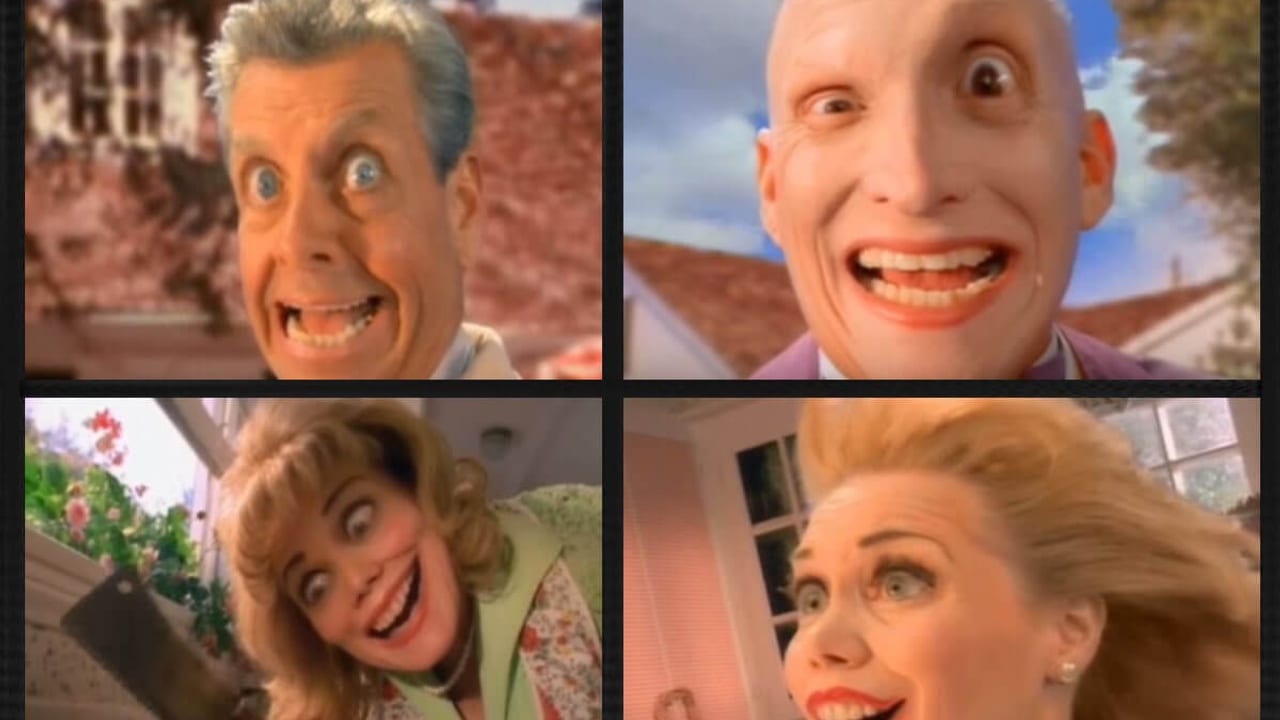
Business
Sound strategy for brand videos that need to feel right before they explain themselves.
Sound Strategy
The music under a brand video changes pace, memory, credibility, and emotional permission. The right choice depends on audience, edit rhythm, licensing, dialogue, campaign life, and how the piece needs to feel in the first few seconds.
A brand video can look expensive and still feel wrong if the music fights the message. The track sets pace, tension, taste, confidence, and whether the viewer trusts the feeling the piece is asking them to have.
Music choices should match the audience, usage rights, campaign life, edit rhythm, voiceover, and where the video will run. A temp track can help the edit move, but the final track has to be cleared, mixed, and shaped around the brand.
A stronger music conversation starts early: tone references, licensing limits, dialogue or VO needs, captions, platform behavior, cutdowns, and the intended feeling when someone watches with sound on or off.
Article
Explore seven iconic 90s alternative music videos that influenced filmmaking styles, production techniques, and storytelling approaches still relevant today.
Help readers understand how 90s alternative music videos influenced filmmaking choices and inspire smarter video production decisions.
Deciding how to approach a music video or branded content project often means looking back at what made past videos stand out. The 90s alternative scene was a hotbed of innovation — from groundbreaking visual effects to narrative experimentation and bold color grading. These videos didn’t just promote songs; they shaped how directors think about pacing, tone, and post-production choices. Understanding these influences can guide your strategy, whether you’re producing a commercial, a music video, or a branded short.
Korn’s 1998 video combined live action with animation in a way that was cutting-edge for its time. The seamless movement between dimensions and the use of album art as a narrative device made it a powerful marketing tool. This video won multiple VMAs and a Grammy, proving the value of investing in innovative visual effects and tight editing. For producers, it’s a reminder that VFX can elevate a project’s impact when thoughtfully integrated with the story and brand.
Videos like “Bullet with Butterfly Wings” showcase how abstract, enigmatic visuals can create emotional resonance even when the narrative isn’t straightforward. The production design and editing choices here emphasize mood and tone over literal storytelling. This approach is useful when your project aims to evoke feelings or build atmosphere rather than deliver a direct message. It highlights the importance of collaboration between director, editor, and colorist to craft a compelling visual experience.
Michel Gondry’s work on Björk’s “Bachelorette” exemplifies how imaginative production design and practical effects can create a visually rich story world. Before his feature film career, Gondry’s music videos were laboratories for creative problem-solving in production and post. This video teaches producers the value of detailed pre-production planning and the power of handcrafted effects to deliver unique, memorable content that stands out in a crowded media landscape.
Hype Williams’ direction and the vibrant color grading in “Ex-Girlfriend” demonstrate how post-production choices can dramatically shape a video’s energy and mood. The saturated colors and close-up shots of Gwen Stefani’s performance create intimacy and visual punch. For modern productions, this underscores the importance of aligning color grading and camera work with the artist’s persona and the project’s emotional goals, ensuring the final edit resonates with the intended audience.
These 90s videos offer timeless lessons: invest in innovative production design, embrace creative editing, prioritize color and tone in post, and integrate visual effects purposefully. Whether you’re producing a corporate video, a commercial, or a music video, understanding how these elements work together helps you make smarter decisions about budgeting, scheduling, and creative collaboration. For help translating these lessons into your next project, explore ECG’s television commercial production and corporate video production services.
90s alternative music videos pushed boundaries in visual effects, storytelling, and post-production techniques. They emphasized mood, innovative editing, and creative production design, which continue to inspire filmmakers and producers today.
Key elements include purposeful use of color grading to set tone, practical effects and production design to build immersive worlds, and editing choices that balance narrative clarity with emotional impact.
Focus on integrating creative visual effects that support your story, collaborate closely during pre-production to plan unique designs, and use post-production tools like color grading strategically to enhance mood and audience engagement.
The useful takeaway is how audience, creative direction, production choices, post-production, approvals, and delivery needs shape the final video plan.
Start with the goal, audience, deadline, where the finished piece needs to live, and the practical constraints that will affect creative and production decisions.
ECG can help connect the creative idea to production planning, filming, post-production, versioning, and delivery so the finished work fits the channel and the audience.
Visual Context
Articles perform better when readers can see what the thinking points toward. This visual break connects the topic to ECG production, post-production, real examples, and the next practical decision instead of leaving the page as a long read with no visual rhythm.
See related workArticle FAQ
These answers add practical context for the decisions that usually sit behind business work: scope, timing, creative direction, production approach, and what the finished piece needs to accomplish.
90s alternative music videos pushed boundaries in visual effects, storytelling, and post-production techniques. They emphasized mood, innovative editing, and creative production design, which continue to inspire filmmakers and producers today.
Key elements include purposeful use of color grading to set tone, practical effects and production design to build immersive worlds, and editing choices that balance narrative clarity with emotional impact.
Focus on integrating creative visual effects that support your story, collaborate closely during pre-production to plan unique designs, and use post-production tools like color grading strategically to enhance mood and audience engagement.
The useful takeaway is how audience, creative direction, production choices, post-production, approvals, and delivery needs shape the final video plan.
Start with the goal, audience, deadline, where the finished piece needs to live, and the practical constraints that will affect creative and production decisions.
ECG can help connect the creative idea to production planning, filming, post-production, versioning, and delivery so the finished work fits the channel and the audience.
Next Step
When an article sounds like your project, compare the relevant service path and nearby work before you make a production decision.
Read Next

Sound Strategy
Music And Brand Feel
Music is not background decoration. It controls pace, tension, memory, and whether a brand video feels believable before the viewer can explain why.
Read article
Production
Production
A clear-eyed guide to the money side of production: what drives scope, where costs hide, and how better planning protects the final piece.
Read article
Production
Production
A clear-eyed guide to the money side of production: what drives scope, where costs hide, and how better planning protects the final piece.
Read article
Strategy
Strategy
A practical look at how sound, pacing, tone, and post-production choices shape what the audience feels after the picture starts moving.
Read articleKeep Exploring
Related services, examples, and deeper reads add context around the creative choices, production decisions, and tradeoffs behind this topic.
Services
These service paths show where the production, post, animation, or package conversation usually goes next.
Service
AI video creation support for teams that want to use generative tools responsibly without sacrificing strategy, production judgment, brand trust, or visual quality.
Open pageService
Animation and motion graphics for brands, agencies, and organizations that need complex ideas, products, data, processes, or brand moments made easier to understand.
Open pageService
Costume Design from ECG Productions helps build the visual world of the piece before the camera, crew, and talent arrive.
Open pageService
Production Design from ECG Productions helps build the visual world of the piece before the camera, crew, and talent arrive.
Open pageWork
These examples show what the service, article, or category can look like in finished work.
Branded Content
Hello My Name Is… | A Musical Exploration is story-led brand work, which means the finished piece has to show more than polish. The important read is how the brand,...
Open pageBranded Content
Proudly Introducing: Hello My Name Is | Episodes 1 & 2 is story-led brand work, which means the finished piece has to show more than polish. The important read is ho...
Open pageBranded Content
Coco Jones, and more Talent | Hello My Name Is… Episode 5 is story-led brand work, which means the finished piece has to show more than polish. The important read is...
Open pageRelated articles
These pieces add context around process, budget, creative choices, common mistakes, and what to ask next.
Production
How to Make a TV Commercial That Stands Out | Strategy + Creative Tips is a production read about what needs to be planned, captured, protected, and handed to post s...
Open pagePost
A post-production read on Restoring Old Videos: How ECG Productions Brings Your Memories Back to Life, covering the edit, sound, color, graphics, delivery, and revie...
Open pageProduction
A practical look at how sound, pacing, tone, and post-production choices shape what the audience feels after the picture starts moving.
Open pageStrategy
Social Media Live Streaming Strategy: How to Plan, Promote & Produce Like a Pro is a strategy read for teams deciding who the video needs to reach, what it needs to...
Open pageNext step
When this starts to sound like your situation, bring ECG the goal and the constraints.
Share This Article
Share the article, project, or service page with a teammate, client, producer, or stakeholder who needs the context before the next decision.