Discover how the Blitz 400 wireless HD video system streamlines production by replacing cable chaos with reliable zero-delay monitoring up to 400 feet. Learn practical tips for
Help video producers and production teams decide if the Blitz 400 wireless video system fits their monitoring and camera mobility needs for smoother shoots.
Why Wireless Video Monitoring Changes the Production Game
On any video shoot, monitoring is critical. Directors, DPs, and focus pullers need real-time, reliable video feeds to make creative and technical decisions. Traditionally, this meant long runs of SDI cables, bulky rigs, and limited camera movement. The Blitz 400 wireless video system eliminates these constraints by delivering zero-delay HD video up to 400 feet line of sight. This frees your crew to move naturally, reduces setup time, and cuts down on cable-related hazards and failures.
Planning Your Shoot Around the Blitz 400
Integrating wireless video requires upfront planning. Consider your shoot environment: line of sight is essential for maintaining signal quality, so plan camera and monitor positions accordingly. The Blitz 400 supports up to four receivers simultaneously, letting multiple crew members—like the director, assistant camera, and script supervisor—see the feed without extra cables. Make sure to allocate battery power for transmitter and receivers; the Blitz 400 supports Sony L Series batteries, which are common and reliable on set.
On-Set Setup and Operation Tips
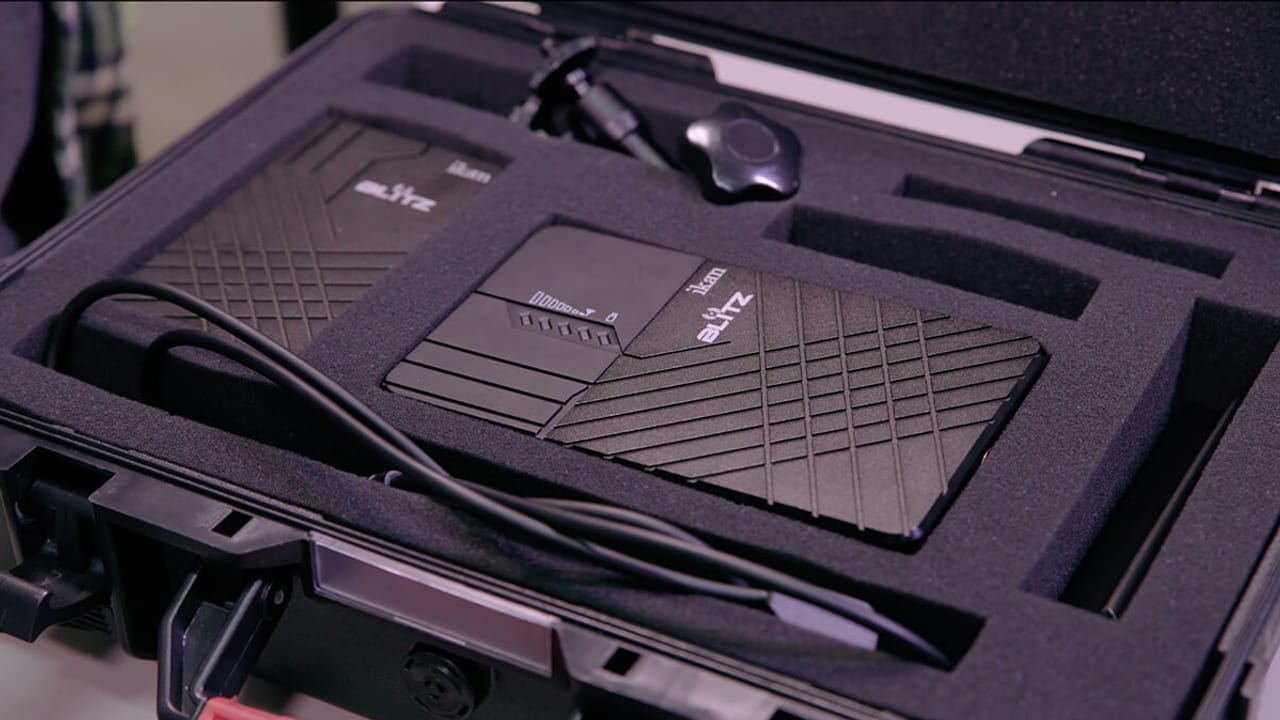
The Blitz 400 comes in a rugged, organized case with dedicated slots for transmitter, receivers, and antennas—ideal for fast setup and teardown. Position antennas carefully to avoid interference and maximize range. Because the system has zero delay, your team can confidently pull focus or direct action without lag. Use the multiple receiver capability to place monitors where they’re needed most, eliminating the need for a dedicated video village or cable runs across the set.
Post-Production Benefits and Workflow Integration
Wireless video monitoring doesn’t just improve production—it helps post too. The Blitz 400’s stable, high-quality feed ensures the footage captured is what you expect, reducing surprises in dailies. With fewer cables and less equipment clutter, your crew can focus on capturing clean, consistent shots. This reliability speeds up editorial decisions and color grading because the source footage is accurate and stable from the start.
Cost and Value Considerations Compared to Industry Standards
The Blitz 400 offers a cost-effective alternative to industry staples like Teradek systems, delivering comparable performance for roughly $1,000 less. This price difference can free up budget for other production essentials, like additional lighting or audio gear. Its all-in-one kit approach means you get everything needed to start shooting immediately, avoiding hidden costs for cables and accessories. For productions balancing quality, mobility, and budget, the Blitz 400 is a smart choice.
FAQ
What is the maximum range of the Blitz 400 wireless video system?
The Blitz 400 supports zero-delay HD video transmission up to 400 feet line of sight, allowing flexible camera and monitor placement on set.
Can multiple crew members monitor the video feed simultaneously?
Yes, the Blitz 400 allows up to four receivers to connect to one transmitter, so several team members can watch the live feed on separate monitors without additional cables.
What batteries does the Blitz 400 use and how long do they last?
The system uses Sony L Series batteries, which are widely available and reliable. Battery life varies with usage but typically supports a full day of shooting with proper battery management.
What should a team understand about Blitz 400 Infomercial?
The useful takeaway is how audience, creative direction, production choices, post-production, approvals, and delivery needs shape the final video plan.
Where should this kind of project start?
Start with the goal, audience, deadline, where the finished piece needs to live, and the practical constraints that will affect creative and production decisions.
How can ECG help with the next step?
ECG can help connect the creative idea to production planning, filming, post-production, versioning, and delivery so the finished work fits the channel and the audience.