Explore the practical production insights behind Coors Light's 2019 College Football Kick-Off event video, from planning and shooting to editing and delivery.
This article helps marketing and production professionals understand how to plan and execute a dynamic event video that captures energy and brand spirit effectively.
Capturing the Energy of a Live Event
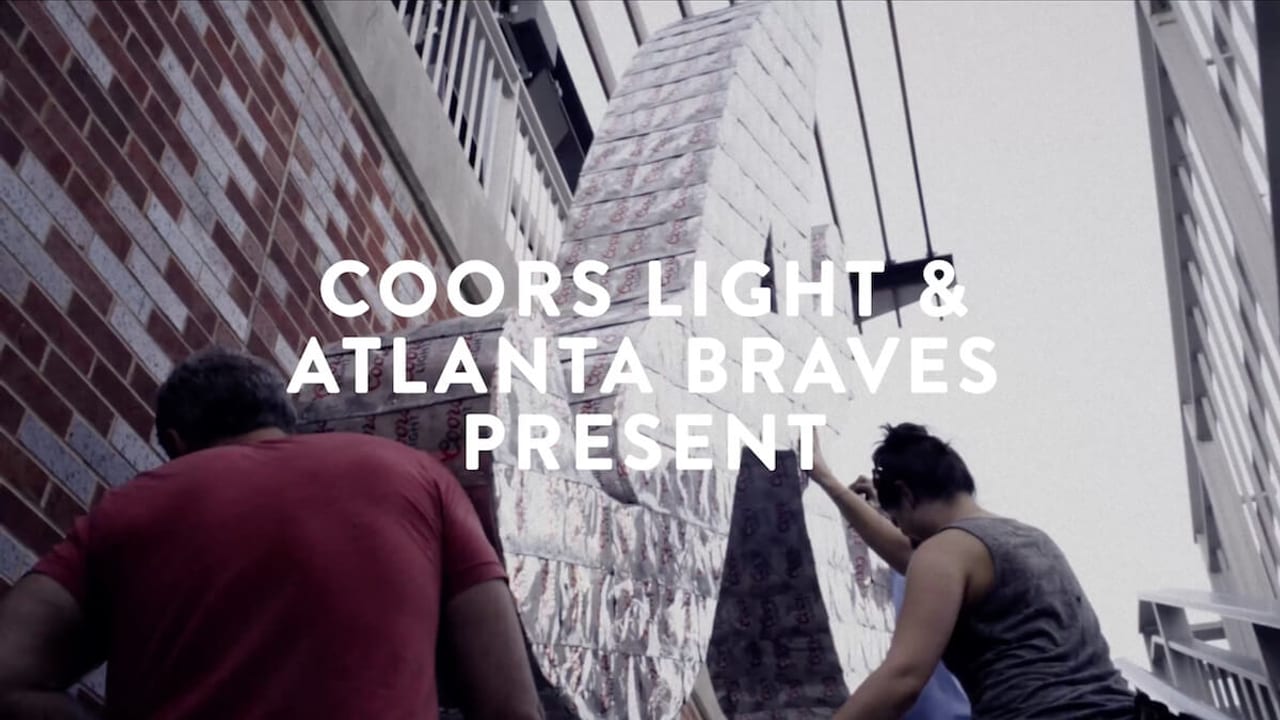
When producing an event video like Coors Light’s 2019 College Football Kick-Off, the first production truth is that the shoot must protect the edit. This means anticipating what footage the edit will need to convey excitement, brand presence, and story flow. For this project, the production team deployed two Sony a7S II cameras paired with Ronin stabilizers to move fluidly through the tailgate environment. The goal was to capture every moment of hype—from crowd reactions and branded activations to key interviews—without interrupting the natural energy of the event. Planning camera placement and movement to cover multiple angles simultaneously was critical to ensure coverage of the fast-paced action.
Pre-Production: Defining the Production Blueprint
Before the cameras rolled, clear answers to key production questions shaped the day’s workflow. Who is the audience? What are the brand’s messaging priorities? Where will the video be distributed? What approvals are required? This groundwork informed crew size, gear choices, and scheduling. For example, knowing the event’s outdoor setting in Orlando’s muggy climate highlighted the need for weather-ready equipment and quick battery swaps. Interview logistics, including a brief soundbite with Kirk Herbstreit, were scheduled to maximize time and sound quality. This level of pre-production planning ensured the shoot stayed on track and captured all essential story elements.
Production Challenges and Solutions
Shooting a large-scale tailgate party presents unique challenges: unpredictable crowd movement, variable lighting, and environmental factors like heat and humidity. The production team mitigated these by using run-and-gun techniques with lightweight, stabilized cameras to stay nimble. LED displays and branded setups required careful exposure control to avoid blown highlights while maintaining natural skin tones. Sound capture was managed with lavalier microphones and ambient mics to balance interviews with crowd noise. These practical production decisions kept the shoot efficient and adaptable to the dynamic environment.
Post-Production: Crafting the Story and Tone
The edit is where the day’s energy comes alive. Editor Sebastian leveraged creative pacing, timelapse sequences, and a dynamic sound mix to build momentum and excitement. The mix balanced the roar of the crowd, music, and key dialogue, creating an immersive experience that mirrors the live event’s atmosphere. Color grading enhanced the vibrant outdoor setting while preserving natural skin tones and brand colors. The final deliverables were optimized for multiple platforms, ensuring the video looked and sounded great whether viewed on social, broadcast, or digital signage.
Planning Your Own Event Video Production
Taking lessons from Coors Light’s kickoff, successful event video production starts with clear goals and detailed planning. Define your audience, key messages, and distribution channels early. Build a production plan that anticipates environmental challenges and prioritizes coverage of brand activations and audience reactions. During the shoot, keep the crew nimble and focused on capturing moments that will drive the edit’s narrative. In post, invest in an edit that balances pacing, sound, and color to deliver a polished, engaging final product. ECG can help you navigate each step—from pre-production strategy to final delivery—ensuring your event video hits the mark.
FAQ
What gear is recommended for shooting fast-paced event videos?
Lightweight, stabilized cameras like the Sony a7S II paired with gimbals such as the Ronin are ideal for run-and-gun shooting in dynamic environments. This setup allows the crew to move quickly and capture multiple angles without sacrificing image stability.
How do you ensure good audio quality at a noisy outdoor event?
Using a combination of lavalier microphones for interviews and ambient mics for crowd noise helps balance clarity with atmosphere. Planning interview times during quieter moments and using windshields on mics also improve sound quality.
What should be prioritized in the edit of an event video?
The edit should focus on pacing that reflects the event’s energy, clear storytelling that highlights brand moments, and a balanced sound mix that immerses the viewer. Color grading should enhance the mood without compromising natural tones.
What should a team understand about Coors Light | 2019 College Football Kick-Off?
The useful takeaway is how audience, creative direction, production choices, post-production, approvals, and delivery needs shape the final video plan.
Where should this kind of project start?
Start with the goal, audience, deadline, where the finished piece needs to live, and the practical constraints that will affect creative and production decisions.
How can ECG help with the next step?
ECG can help connect the creative idea to production planning, filming, post-production, versioning, and delivery so the finished work fits the channel and the audience.