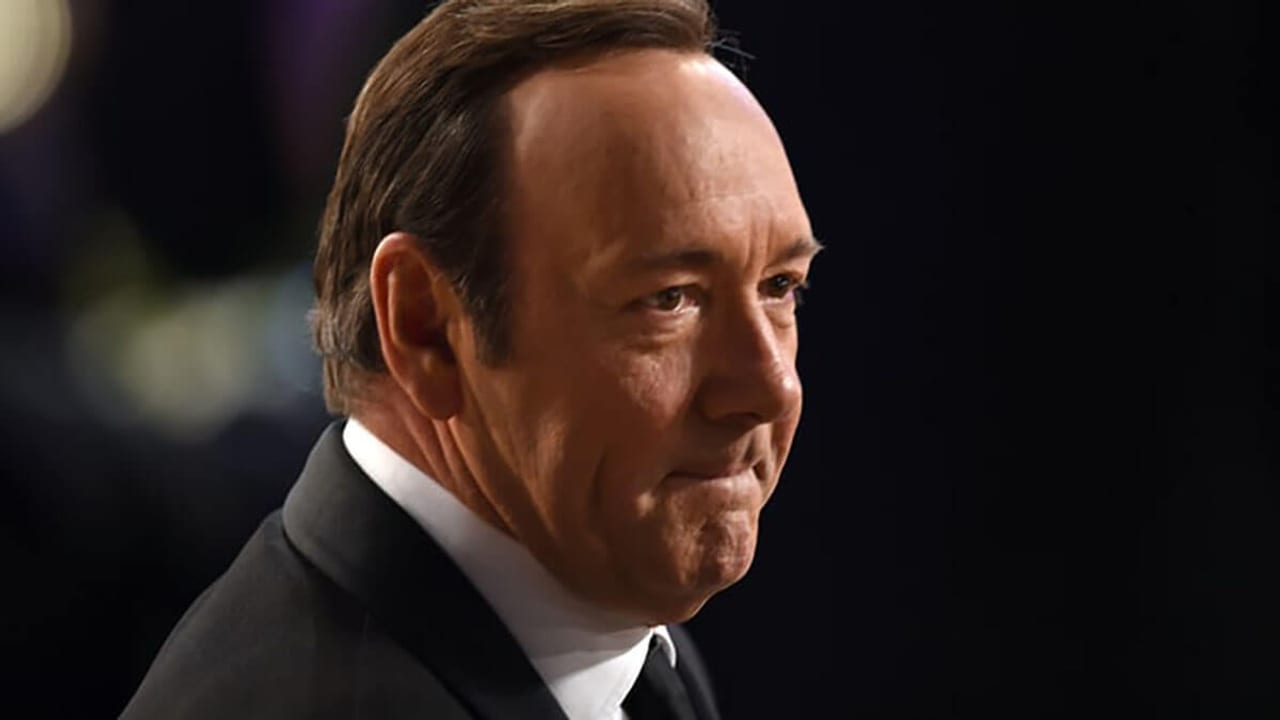
Explore how the Kevin Spacey controversy impacts production budgets, risk management, and the critical decisions brands must make before filming begins.
This article helps production buyers and marketers understand how high-profile controversies influence budgeting, risk assessment, and strategic decisions in video production.
Why High-Profile Controversies Matter Before Production Starts
When a talent’s public image shifts dramatically, as happened with Kevin Spacey, it ripples through every stage of video production. From pre-production casting discussions to post-production delivery, the risk profile changes. Brands and agencies must weigh potential backlash, legal entanglements, and audience reception. This isn’t just about reputation; it affects insurance, rights clearances, and distribution strategies. Understanding these factors upfront can save costly delays and re-shoots.
Budgeting for Risk: Contingencies and Contract Clauses
In the wake of controversies like Spacey’s, production budgets increasingly include contingency funds for unexpected issues—such as recasting or reshoots if talent becomes untenable. Contracts now often feature morality clauses that allow clients to replace or remove talent without penalty if allegations arise. These legal protections come with costs, including higher insurance premiums and potential holdbacks on payments. Planning for these financial realities ensures smoother production flow and protects the brand’s investment.
Strategic Talent Selection: Beyond Star Power
Kevin Spacey’s case highlights the risk of relying solely on star power. While big names can attract attention, their off-screen behavior can jeopardize the entire project. Today, savvy producers and marketers prioritize talent with stable reputations and clear public personas aligned with brand values. Vetting processes have become more rigorous, including social media audits and background checks. This strategic approach minimizes surprises and aligns creative vision with audience expectations.
Managing Approvals and Stakeholder Communication Amid Controversy
When controversy hits, communication becomes critical. Production teams must coordinate closely with legal, PR, and marketing stakeholders to navigate approvals and messaging. For example, if a talent’s image becomes problematic mid-production, quick decisions about edits, disclaimers, or even pulling content are necessary. Transparent, documented approval workflows help keep projects on track and protect all parties involved.
Distribution and Rights: Navigating Post-Production Challenges
Controversies can complicate distribution rights and platform acceptance. Some broadcasters or digital platforms may refuse content featuring controversial figures, or require disclaimers. Additionally, rights to use talent likenesses may be renegotiated or revoked if contracts include morality clauses. Post-production teams must be prepared to adjust edits, manage alternative cuts, or create new assets to maintain distribution momentum without compromising brand integrity.
FAQ
How can production teams protect themselves from talent controversies?
Including morality clauses in contracts, conducting thorough talent vetting, and budgeting contingency funds for potential reshoots or recasting are key strategies to mitigate risk.
What should brands consider when a talent’s public image changes during production?
Brands need to assess legal rights, potential impact on audience perception, and distribution options, coordinating closely with legal and PR teams to decide on edits or alternative content.
Does controversy always mean a project must be canceled or reshot?
Not always. Some projects can be salvaged through strategic editing, disclaimers, or alternative distribution channels, but this depends on the severity of the controversy and contractual terms.
What should a team understand about The Curious Case of Kevin Spacey?
The useful takeaway is how audience, creative direction, production choices, post-production, approvals, and delivery needs shape the final video plan.
Where should this kind of project start?
Start with the goal, audience, deadline, where the finished piece needs to live, and the practical constraints that will affect creative and production decisions.
How can ECG help with the next step?
ECG can help connect the creative idea to production planning, filming, post-production, versioning, and delivery so the finished work fits the channel and the audience.