Discover how to plan, produce, and deliver live event coverage that captivates audiences, balances technology and sustainability, and maximizes engagement and impact.
Help readers decide how to approach live event coverage production with clear strategy, technology choices, and audience engagement tactics.
Why Live Event Coverage Demands Strategic Production Planning
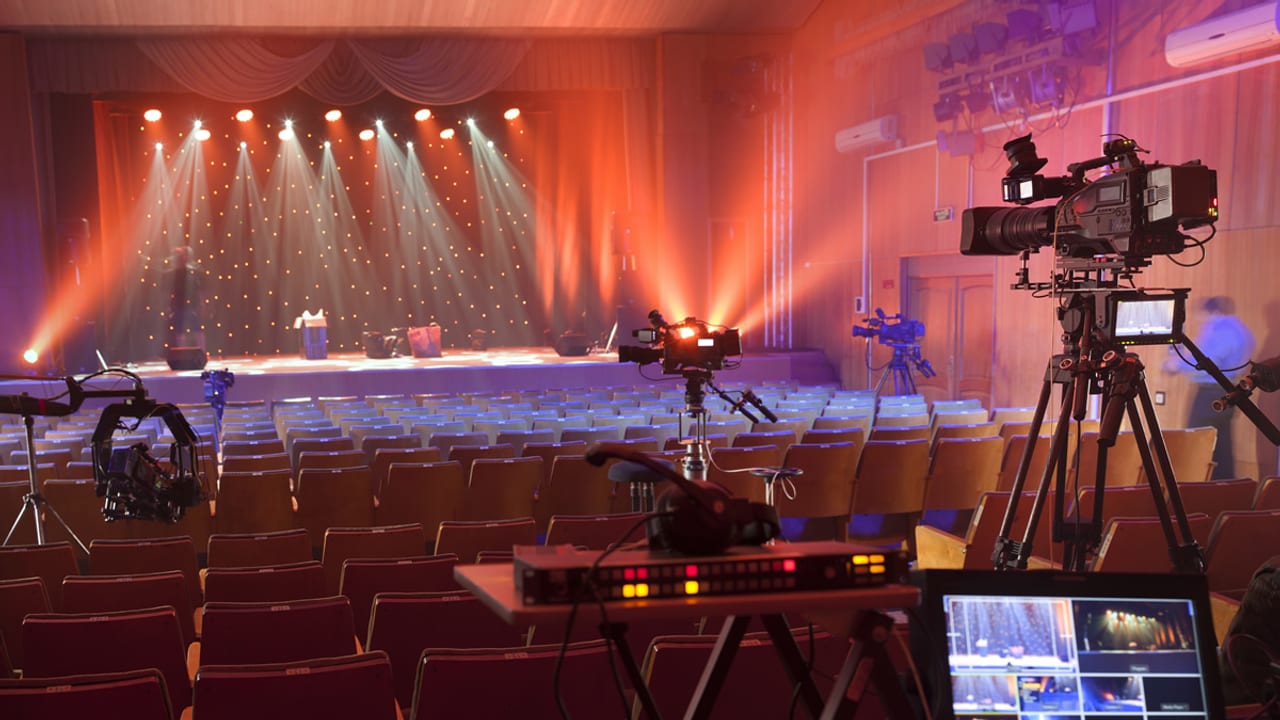
Live event coverage is a high-stakes production challenge where every second counts. Before cameras roll, you must align your strategy with the event’s goals, audience expectations, and technical realities. This means defining whether the coverage is purely livestream, a hybrid with in-person elements, or a fully virtual experience. Your production plan should consider venue logistics, connectivity, camera placements, and crew coordination to avoid costly surprises. Early decisions on broadcast quality, multi-platform delivery, and rights management shape your budget and timeline. At ECG, we emphasize upfront clarity so clients can balance ambition with practical constraints, ensuring the coverage delivers excitement without compromising reliability.
Harnessing Technology to Elevate Audience Engagement
Technology is transforming live event coverage from passive viewing into immersive experiences. Augmented reality (AR) overlays, ultra-high-definition (UHD) screens, and spatial audio can bring remote viewers closer to the action. Interactive tools like live polls, Q&A sessions, and social media integrations turn audiences into participants, amplifying engagement and shareability. However, these innovations require specialized technical expertise and robust infrastructure. Planning for redundancy, bandwidth, and seamless integration between on-site and digital elements is critical. ECG’s production teams specialize in combining cutting-edge tech with proven workflows to create interactive, memorable live streams that keep viewers connected and invested.
Sustainability and Social Responsibility in Live Event Production
Sustainability is no longer optional in live event production—it’s a growing expectation from audiences and clients alike. From digital ticketing and paperless communications to eco-friendly set materials and waste management, every production choice impacts the event’s environmental footprint. Sourcing local vendors and sustainable venues also supports community engagement and reduces logistics emissions. Incorporating these practices early in pre-production helps avoid last-minute compromises and aligns the event with broader corporate social responsibility goals. ECG advises clients on integrating green practices without sacrificing production quality or audience experience, ensuring events are both impactful and responsible.
Navigating Risks and Logistics Behind the Scenes
Live event coverage is inherently unpredictable, so risk management is a cornerstone of successful production. From technical failures and weather disruptions to talent no-shows and security issues, producers must anticipate challenges and build contingencies. This includes backup power, alternative camera setups, and clear communication protocols. Logistics coordination—such as vendor schedules, crew call times, and transportation—must be tightly managed to keep the production on track. ECG’s production leadership focuses on detailed run sheets, rehearsals, and real-time problem solving to maintain control and deliver seamless coverage even when unexpected issues arise.
Maximizing Impact Through Post-Production and Distribution
The live event doesn’t end when the cameras stop rolling. Post-production adds value by creating highlight reels, social media clips, and on-demand content that extend the event’s reach and lifespan. Color grading, audio mixing, and graphics insertion polish the footage, ensuring it meets brand standards and audience expectations. Strategic distribution plans tailor content for different platforms—whether social channels, corporate websites, or broadcast partners—to maximize engagement and ROI. ECG’s end-to-end production services include post workflows optimized for fast turnaround and quality, helping clients leverage their live event content long after the final applause.
FAQ
What are the key technical considerations for live event coverage?
Critical technical factors include reliable internet connectivity, multi-camera setups, audio capture quality, redundancy systems, and compatibility with streaming platforms. Planning these early ensures smooth live delivery.
How can live events incorporate sustainability without increasing costs?
Sustainability can be integrated through digital ticketing, reusable or recycled materials, local sourcing, and minimizing waste. Thoughtful planning often results in cost-neutral or even cost-saving outcomes.
What role does audience engagement technology play in live events?
Interactive tools like live polls, Q&A, and social media integration transform viewers from passive watchers into active participants, increasing satisfaction and social sharing.
What should a team understand about Immersing in the Excitement: Unveiling the World of Live Event Coverage?
The useful takeaway is how audience, creative direction, production choices, post-production, approvals, and delivery needs shape the final video plan.
Where should this kind of project start?
Start with the goal, audience, deadline, where the finished piece needs to live, and the practical constraints that will affect creative and production decisions.
How can ECG help with the next step?
ECG can help connect the creative idea to production planning, filming, post-production, versioning, and delivery so the finished work fits the channel and the audience.